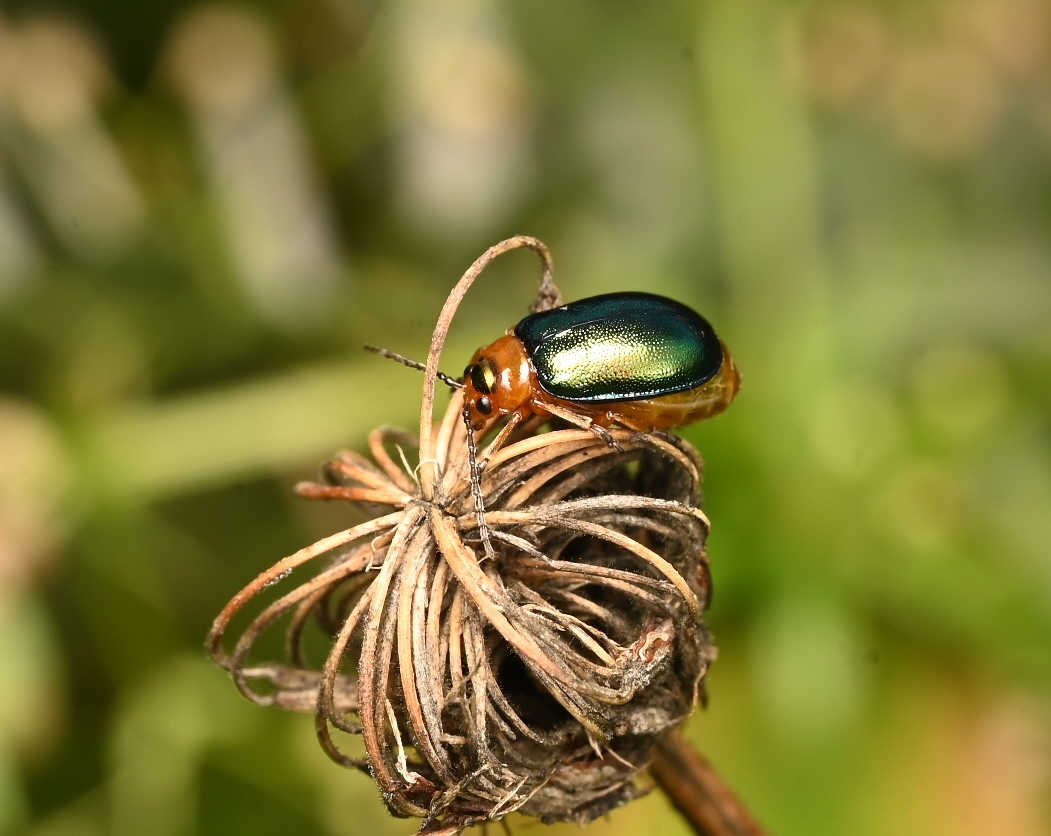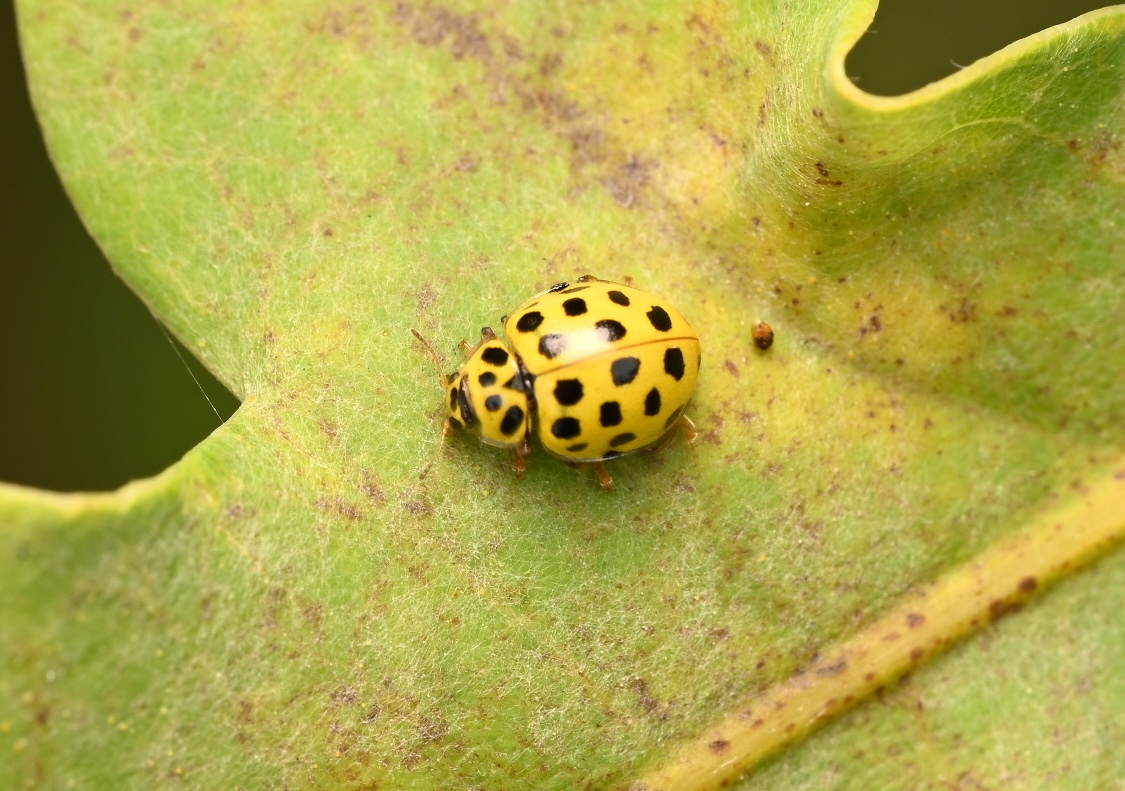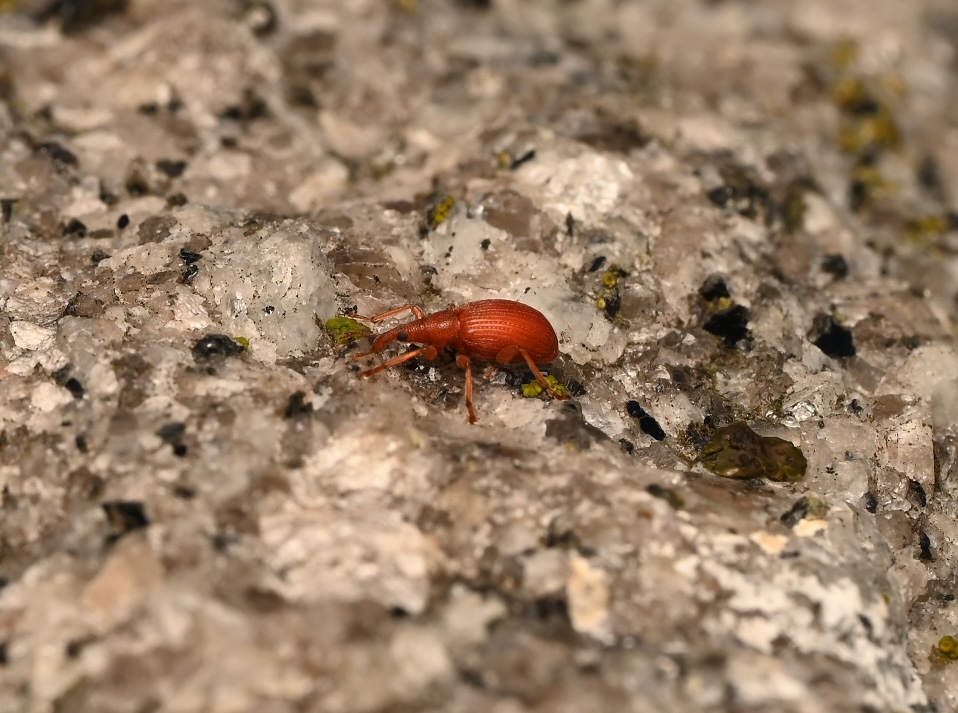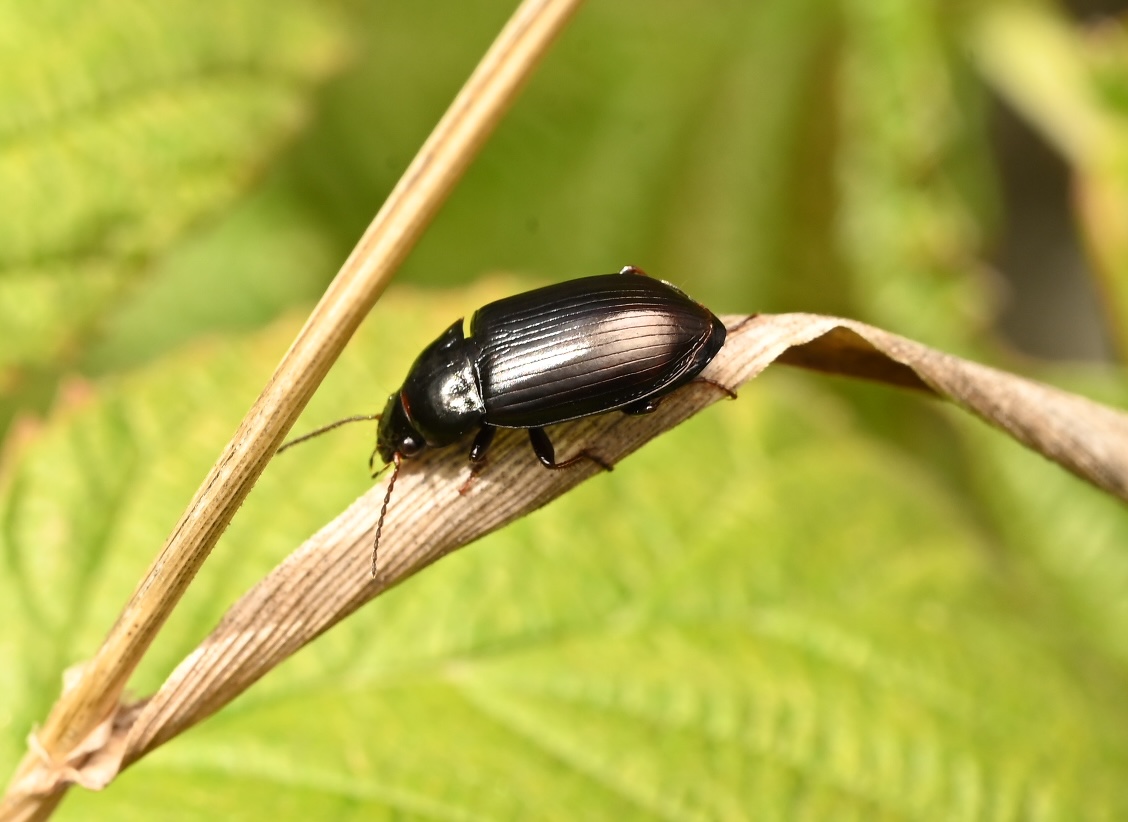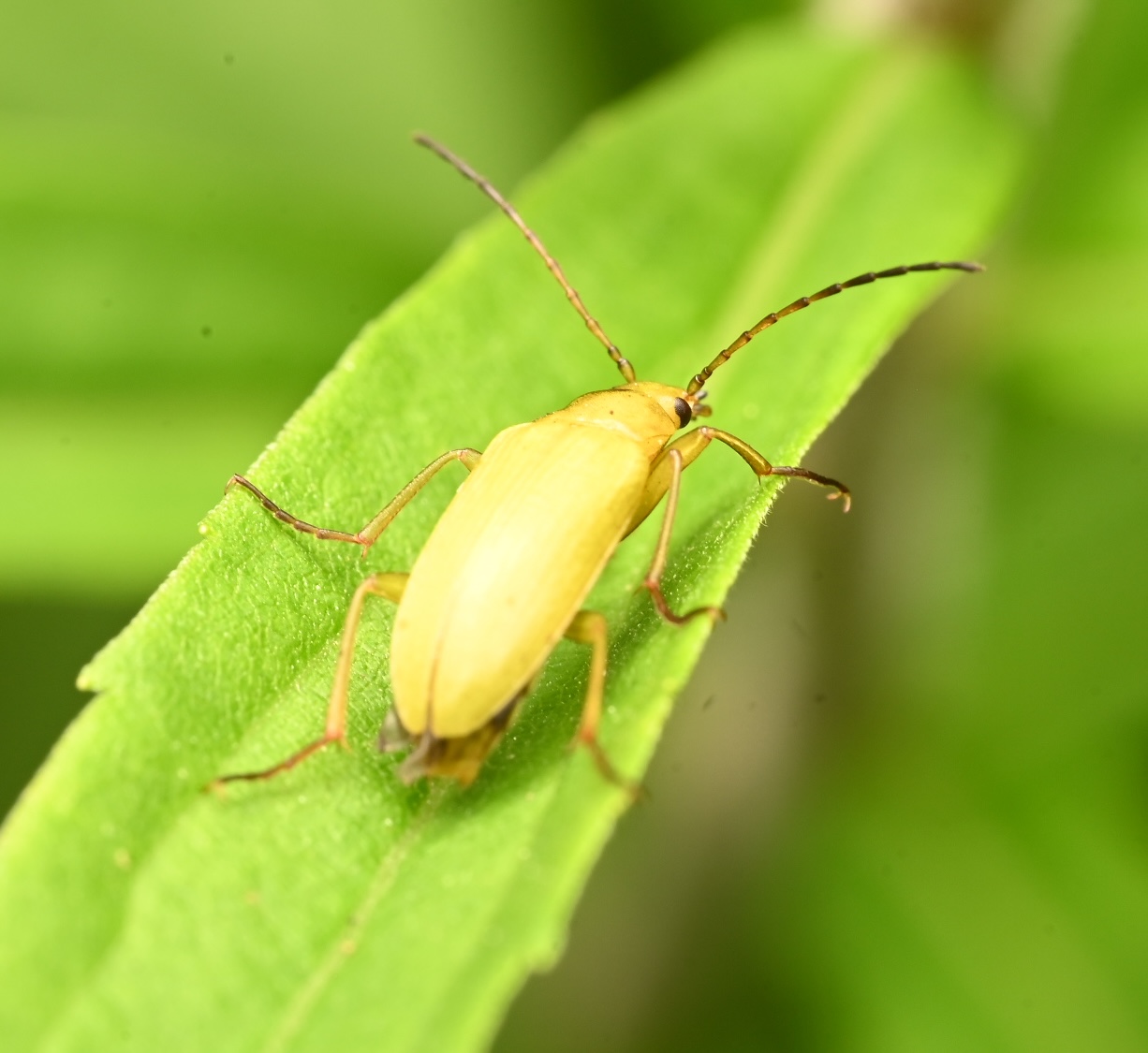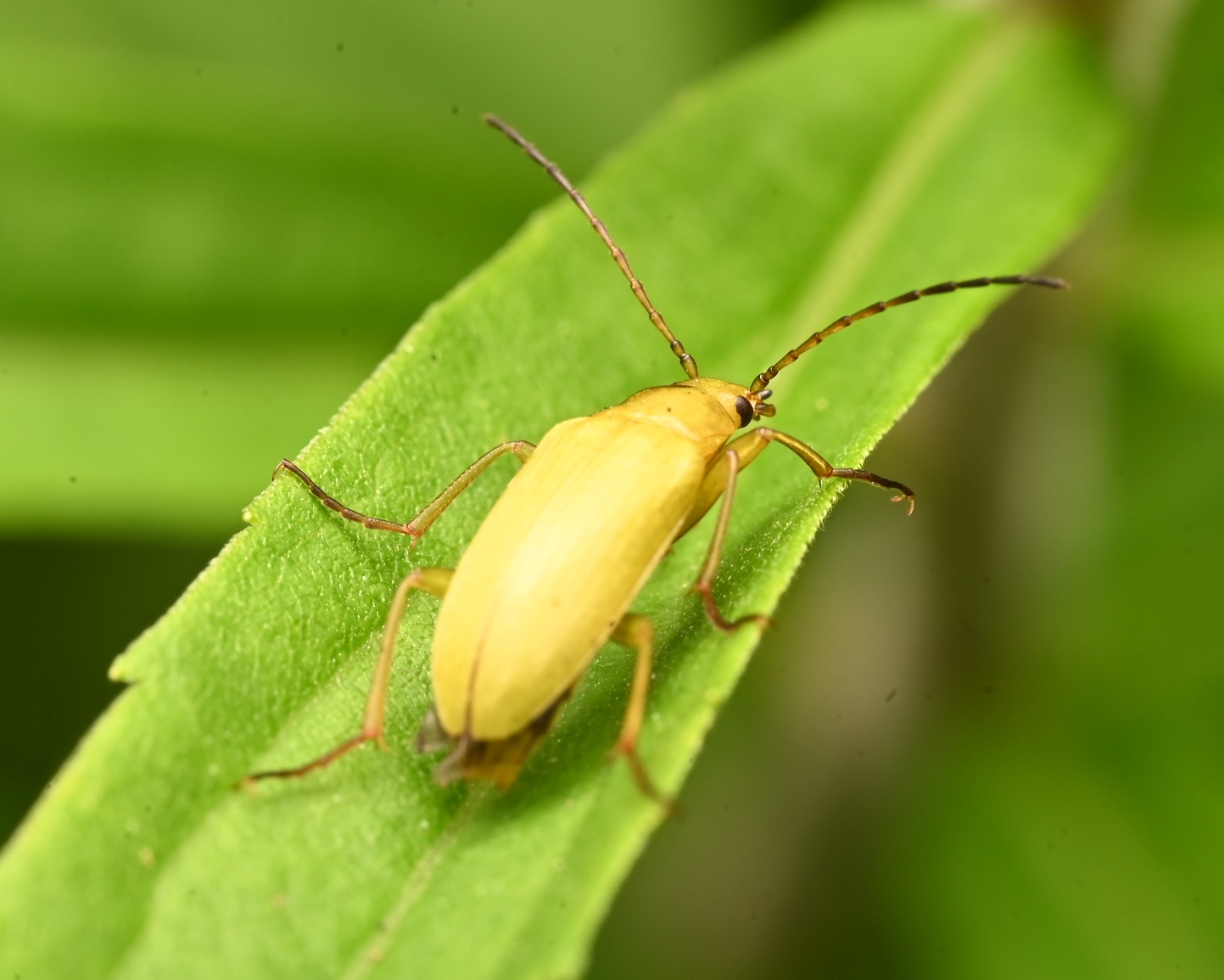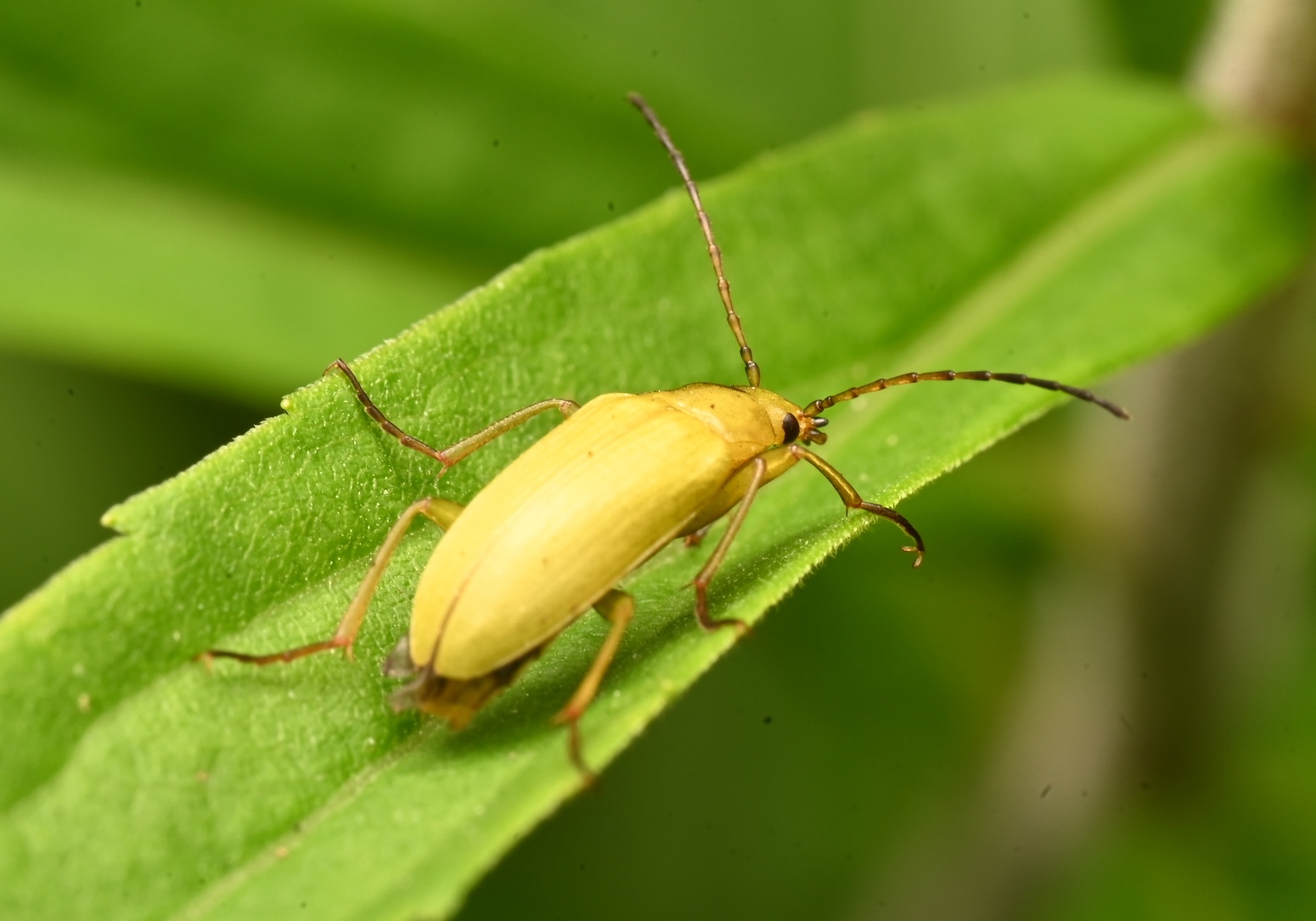
Say hello to the sulphur beetle (Cteniopus sulphureus), a brilliant yellow gem belonging to the comb-clawed beetle subfamily (Alleculinae, part of the darkling beetle family Tenebrionidae). These little guys are easily recognized by their sleek oval bodies, threadlike antennae, and surprisingly long legs. Measuring just 7–10 mm, adults sport striking, pale yellow wing cases (elytra) contrasted by a deeper orange-yellow head and thorax, topped off with jet-black eyes. These beetles are fiercely “thermophilic”—which is just a fancy way of saying they are total sun-worshippers that crave wide-open, sun-drenched spaces. While the adults spend their days fueling up on pollen and nectar—frequently throwing garden parties on wild carrots, yarrow, and other plants in the carrot and daisy families—their larvae are busy doing dirty work on the ground. By feeding on decaying wood and plant matter, the larvae act as vital, subterranean cleanup crews for their ecosystem. I crossed paths with this cute little beetle on several occasions right in the garden of my family’s lakeside house in Poland.