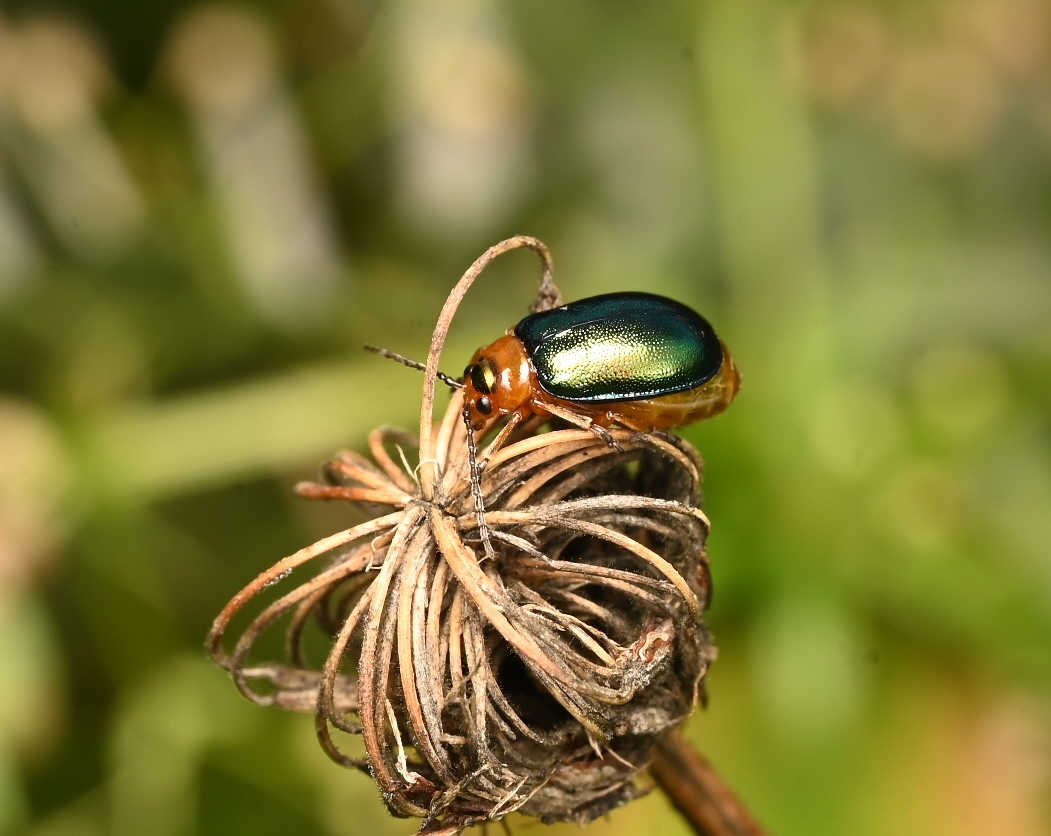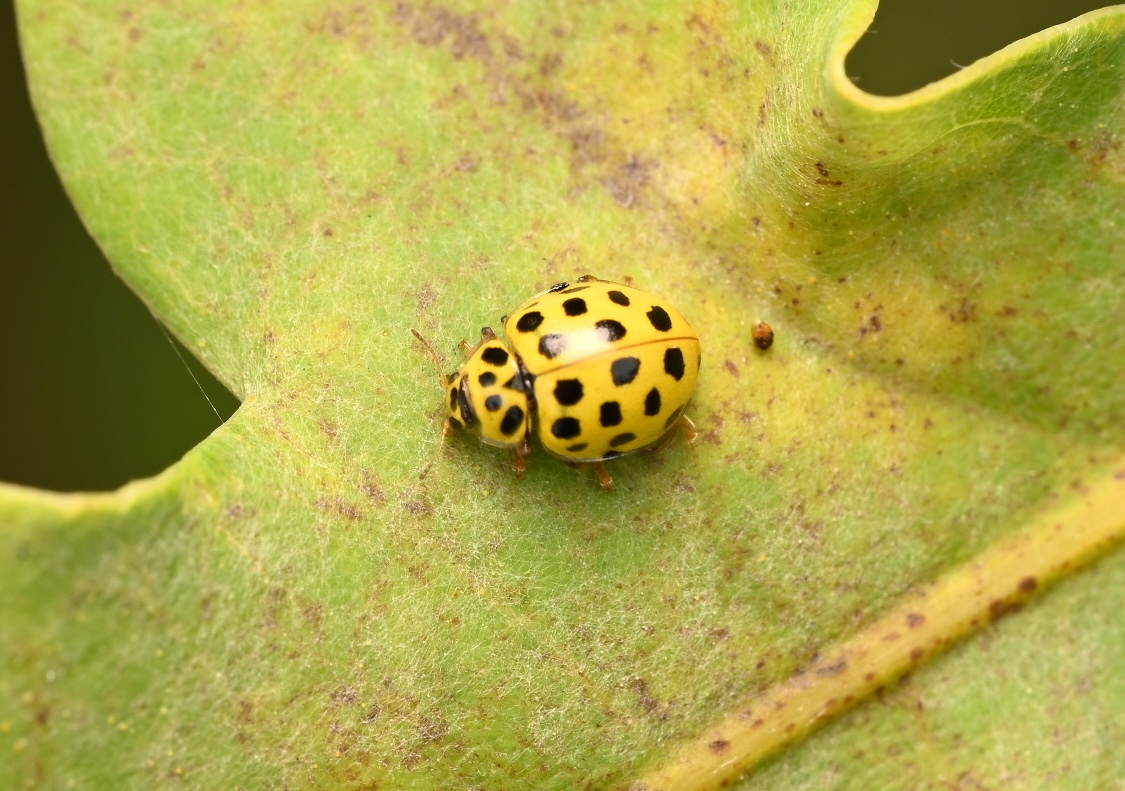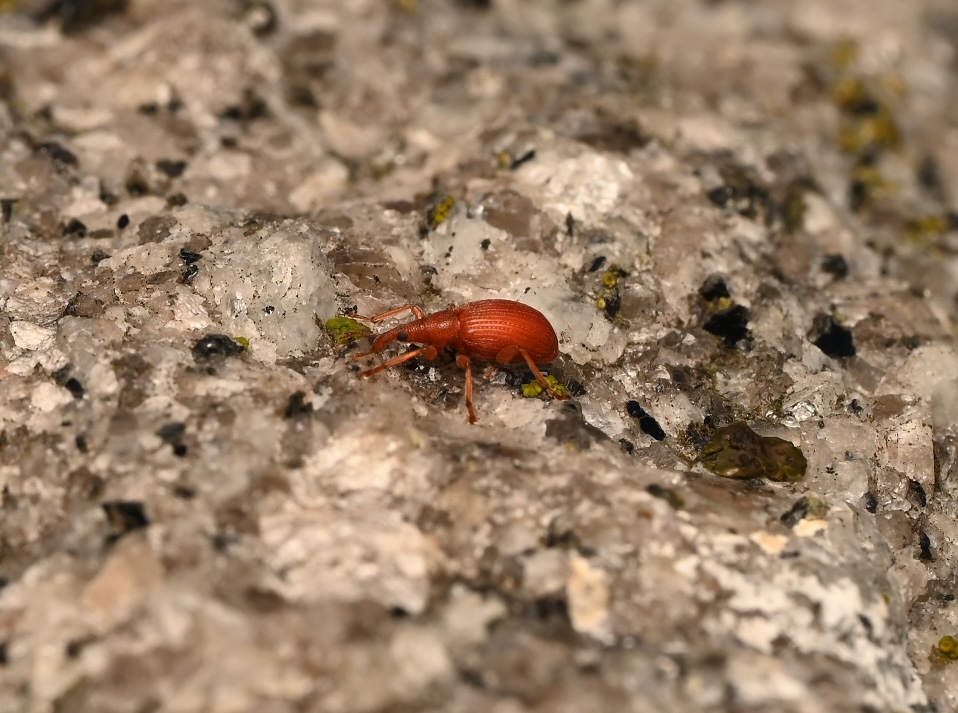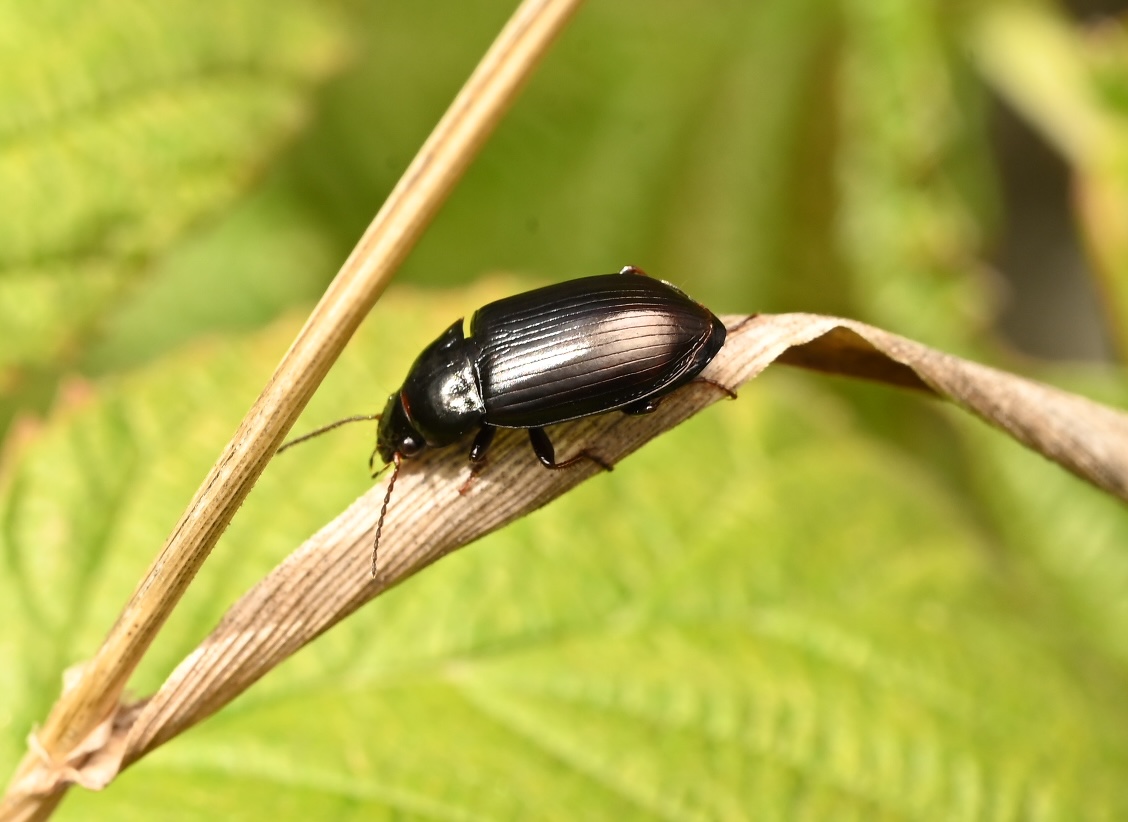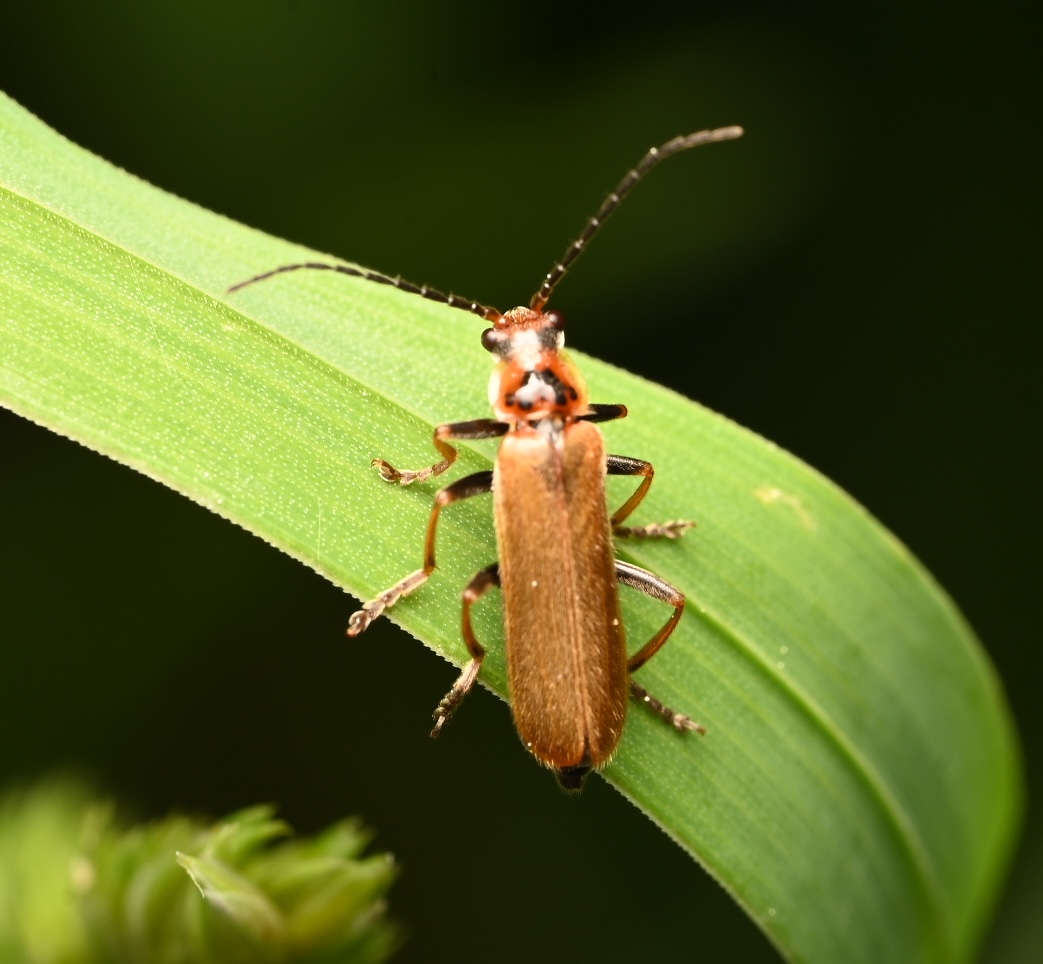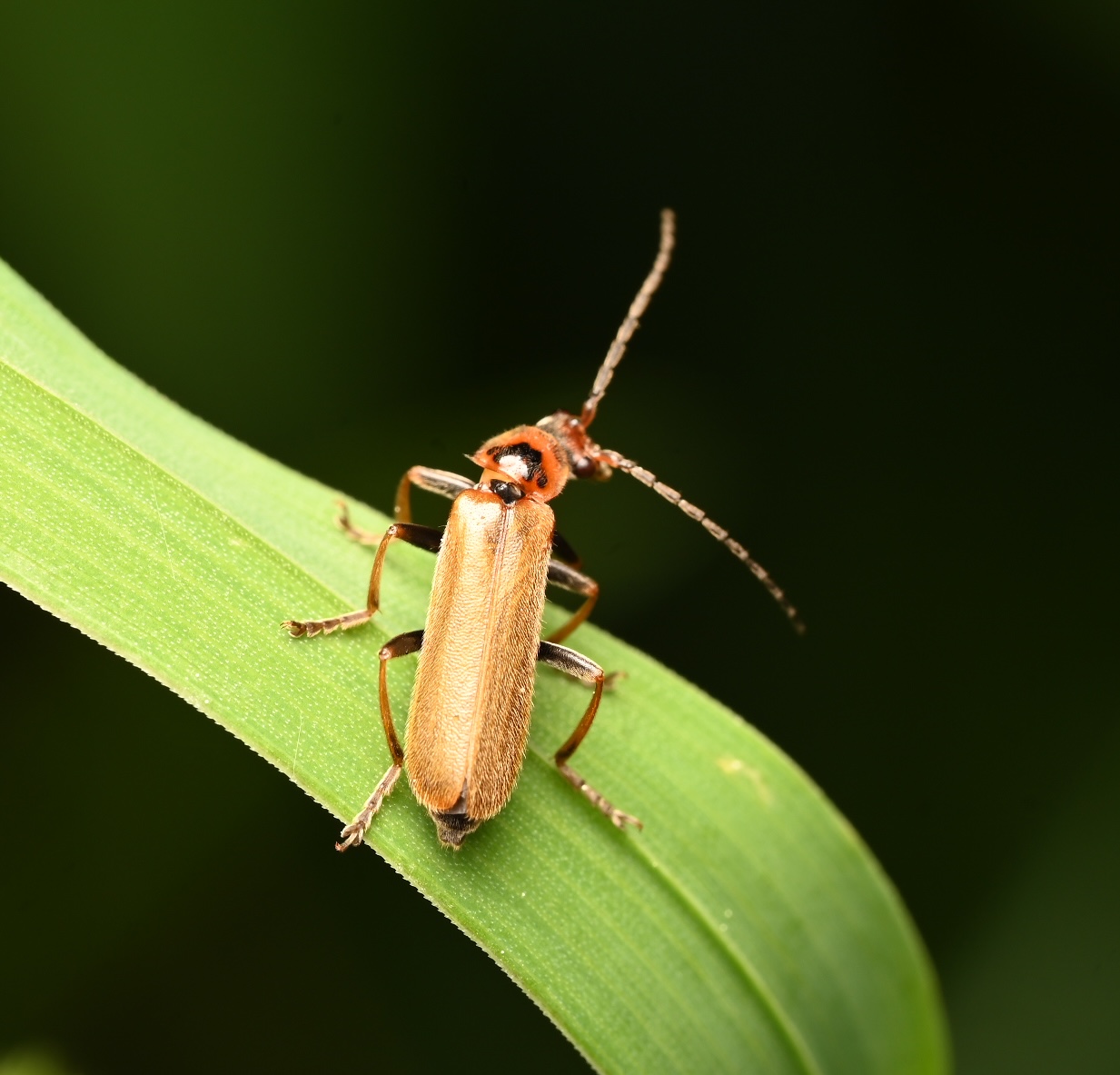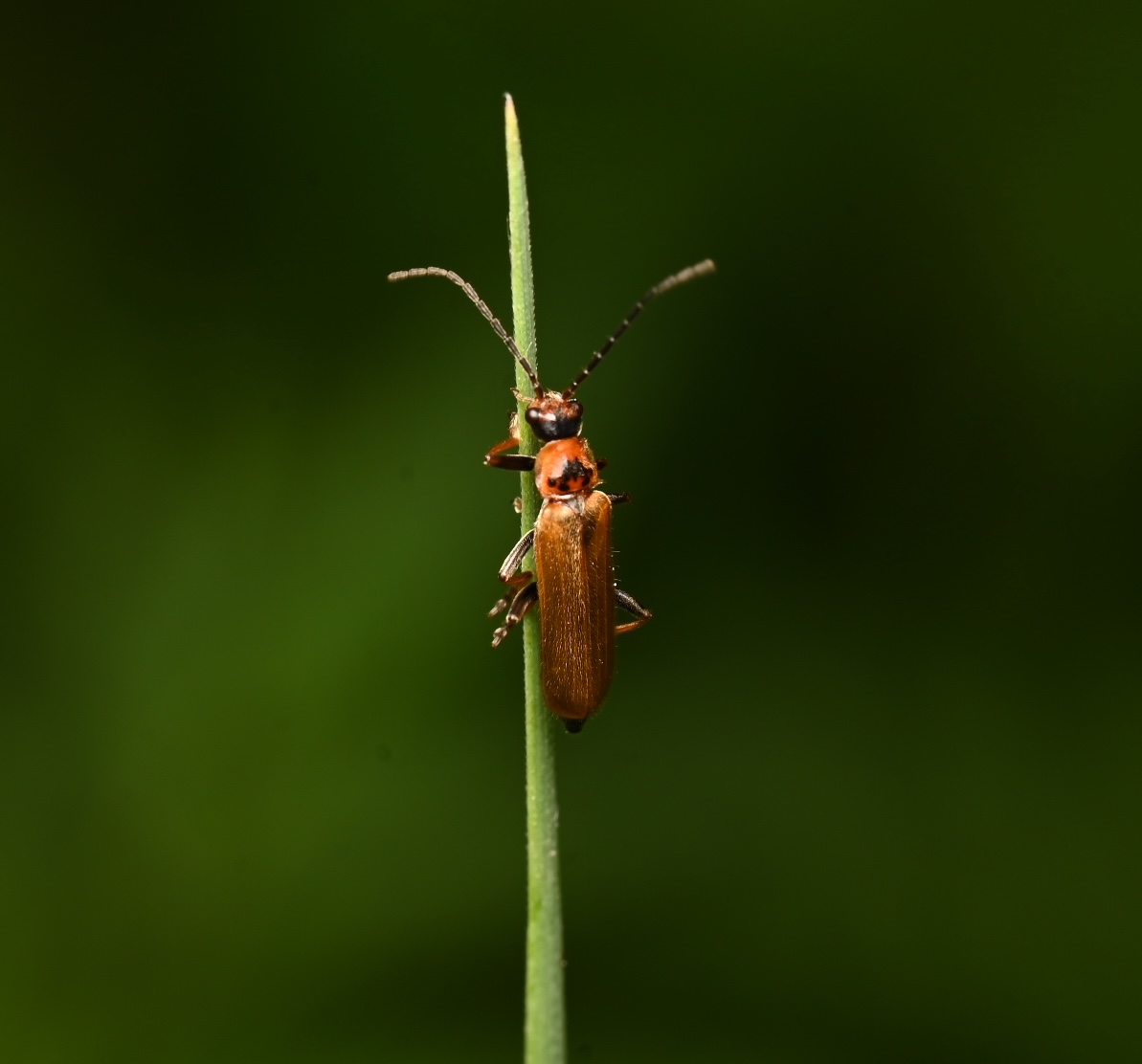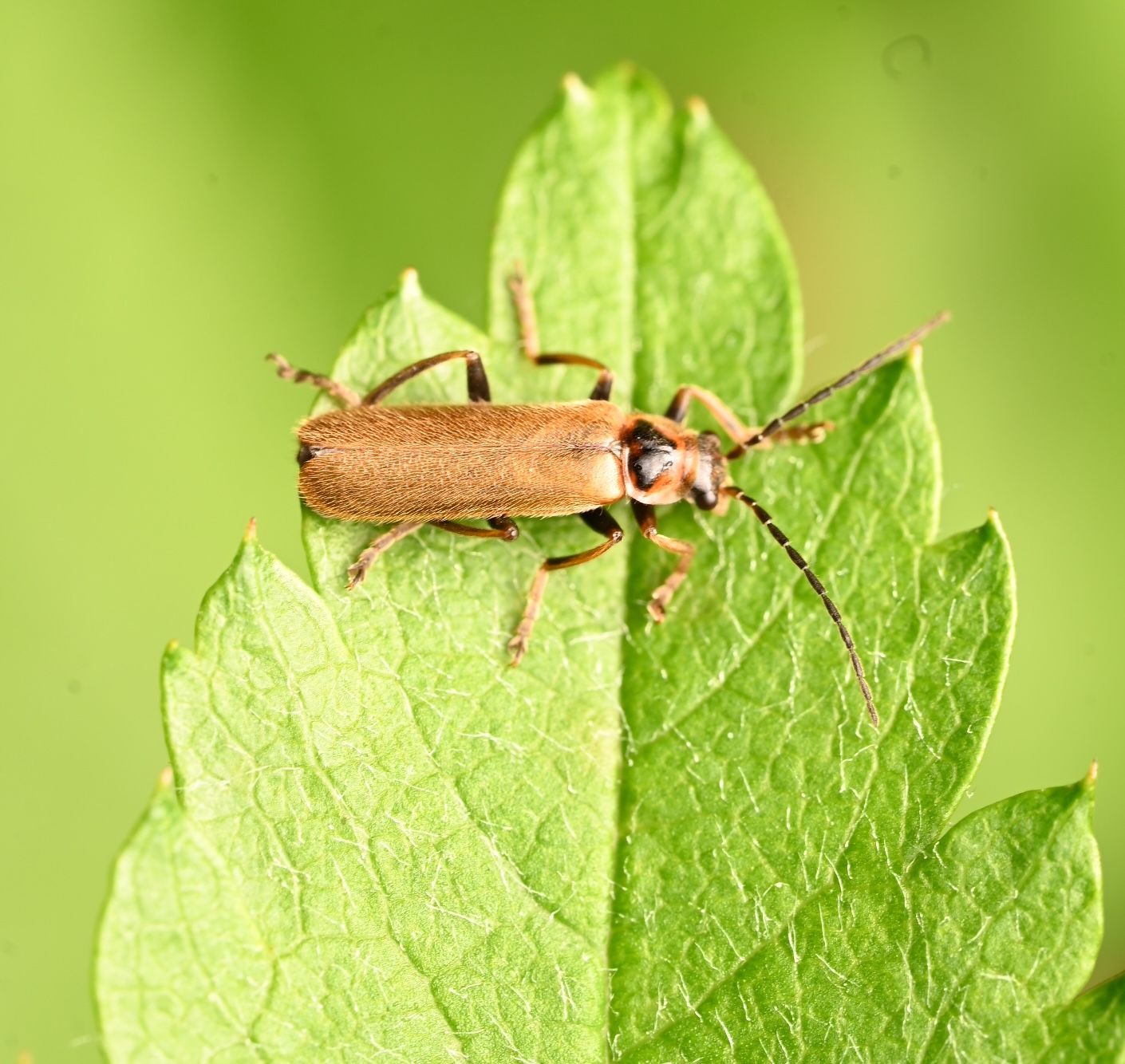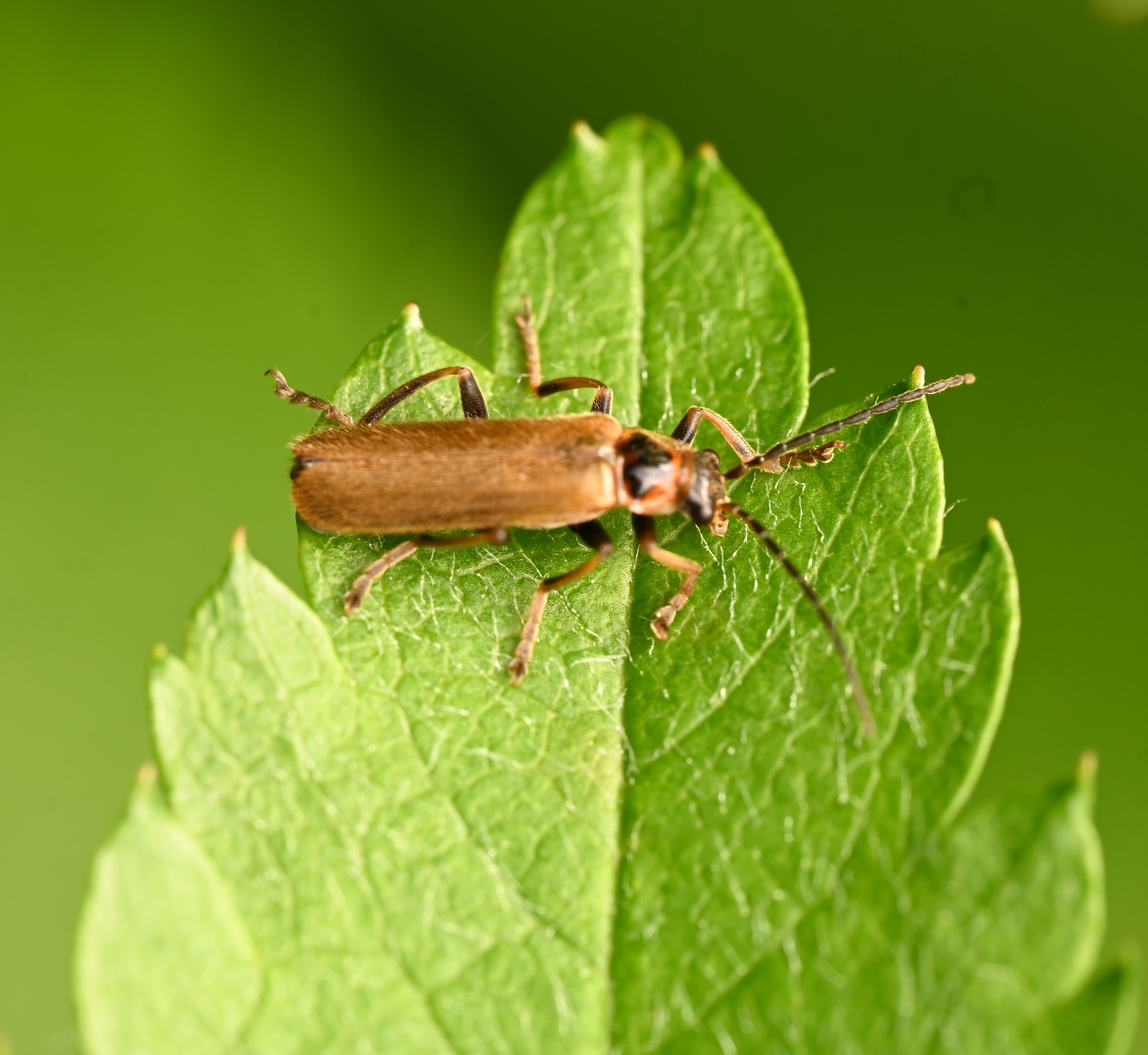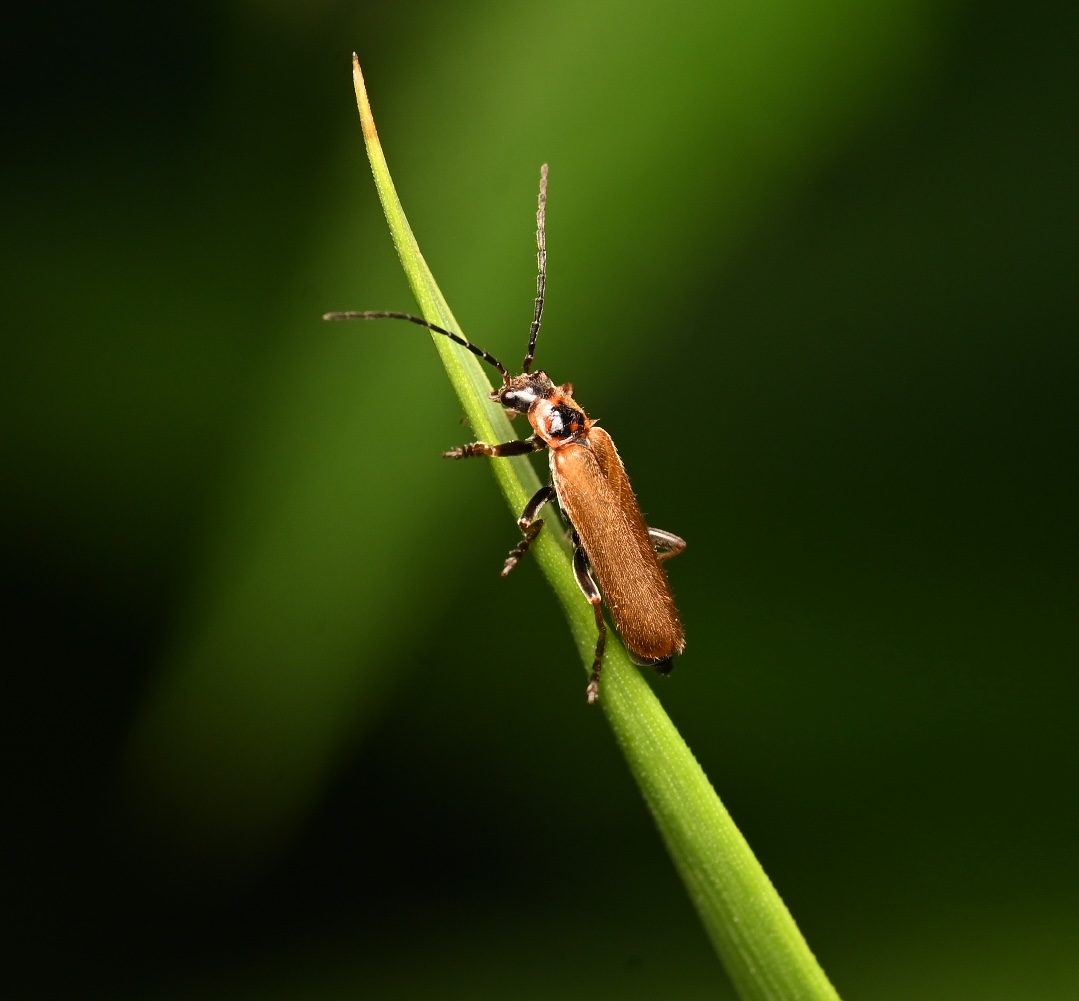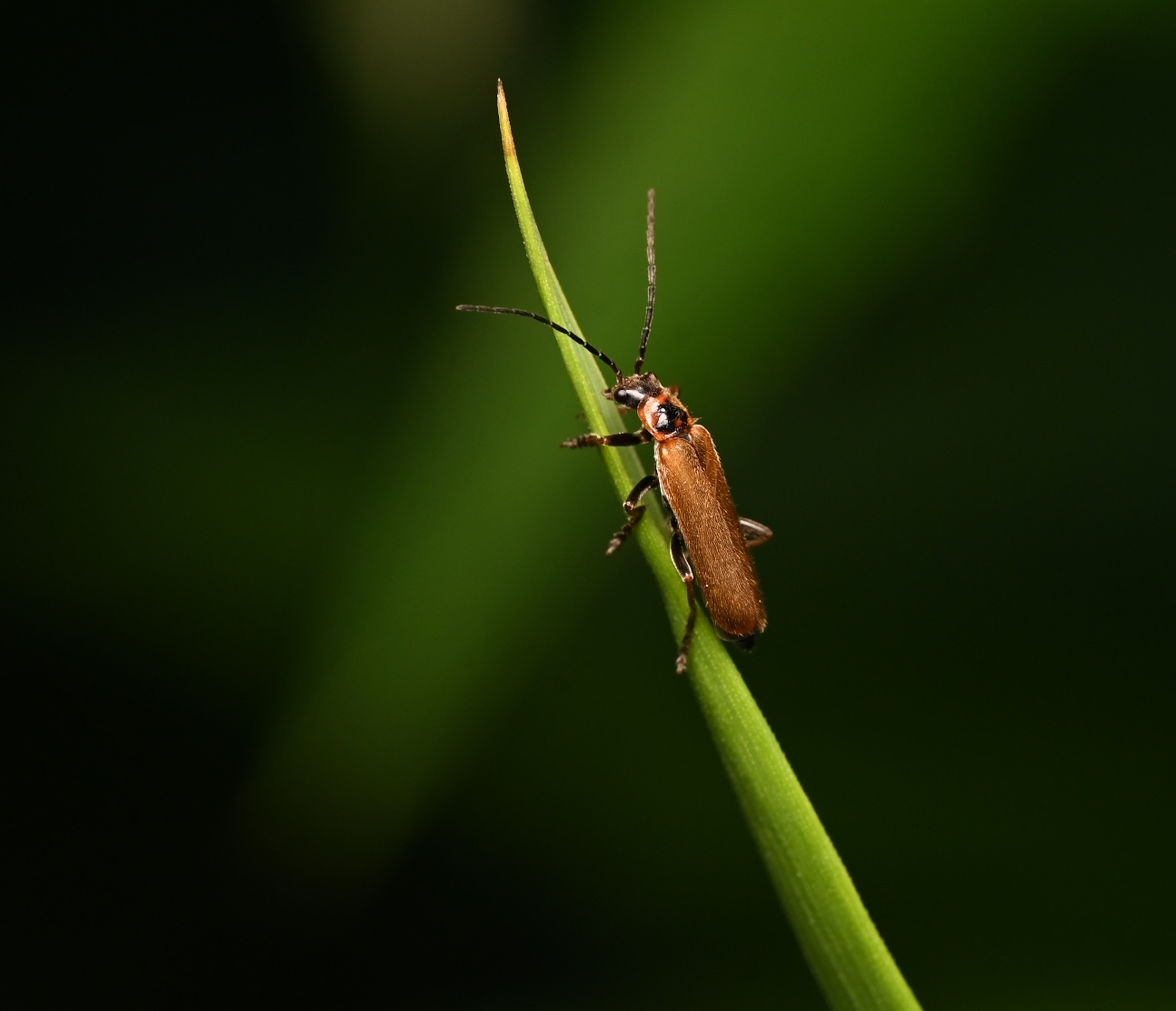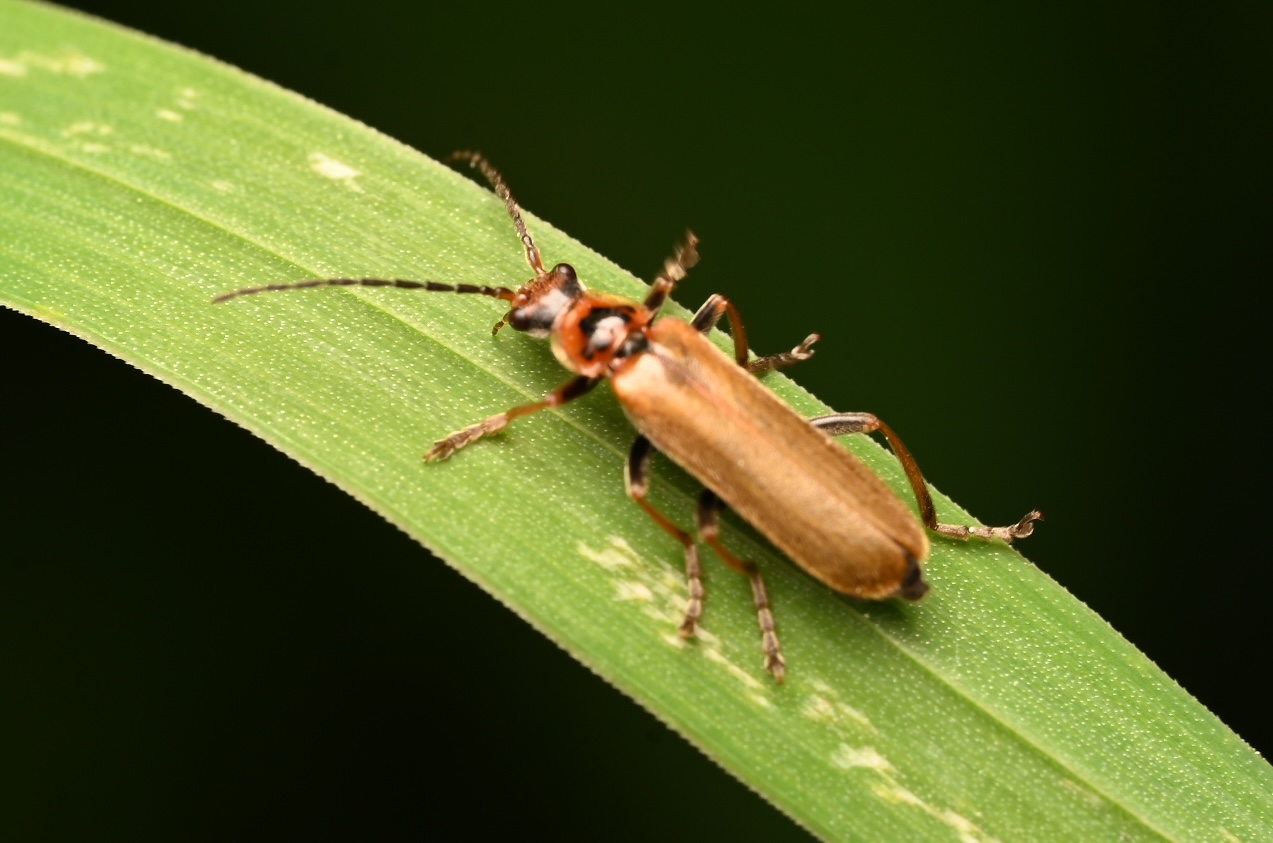
Meet Cantharis figurata, an elegant soldier beetle (family Cantharidae) measuring a modest 6 to 8 millimeters in length. Common across Europe in damp meadows and woodland edges. But don’t let its delicate posture fool you; it is a highly skilled predator of smaller insects. If cornered by a larger foe, it deploys a dual-layered defense system. First, it instantly tucks its legs tight against its body and plays dead (thanatosis), dropping like a stone into the thick undergrowth below. If handled roughly, it secrets a bitter, foul-tasting yellow fluid from its joint membranes—a potent chemical deterrence for hungry predators. While the adults split their time between hunting soft-bodied insects and sipping pollen, their larvae are voracious, ground-dwelling assassins, patrolling soil and damp leaf litter for snails, slugs, and worms. Active mostly in late spring and early summer, these beneficial beetles are a joy to find in deciduous forests. I crossed paths with this striking soldier beetle several times during a cycling tour along the scenic eastern coast of Sweden.