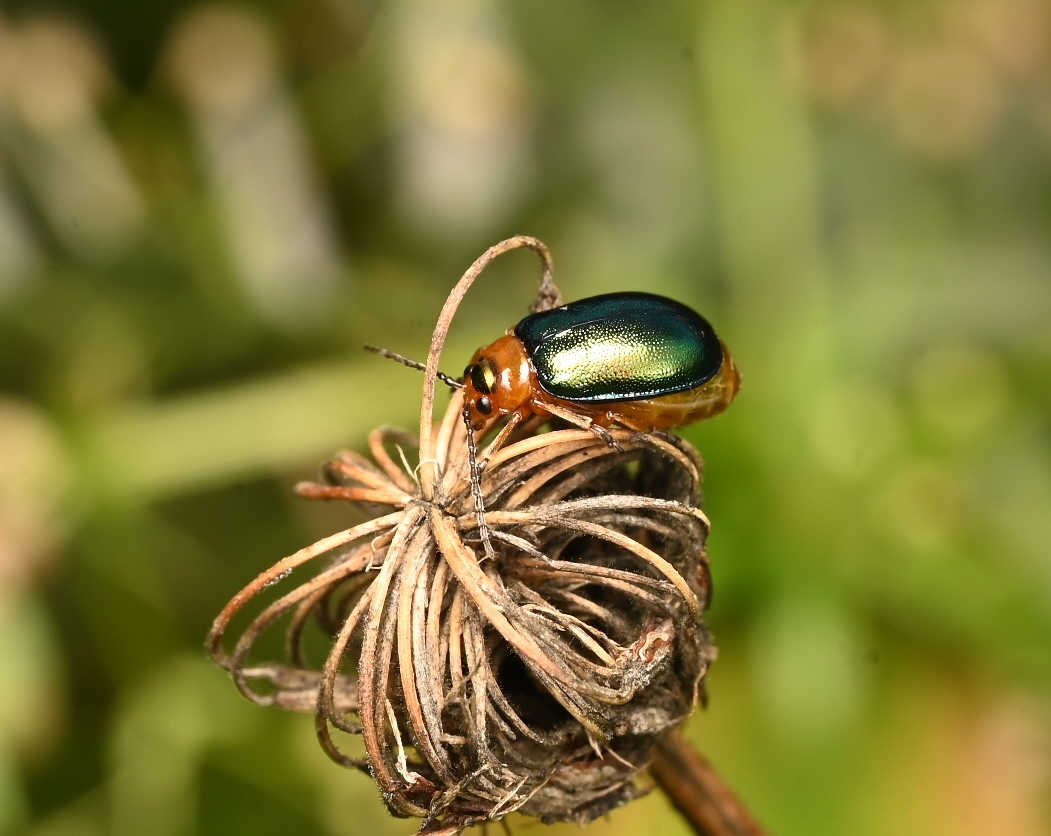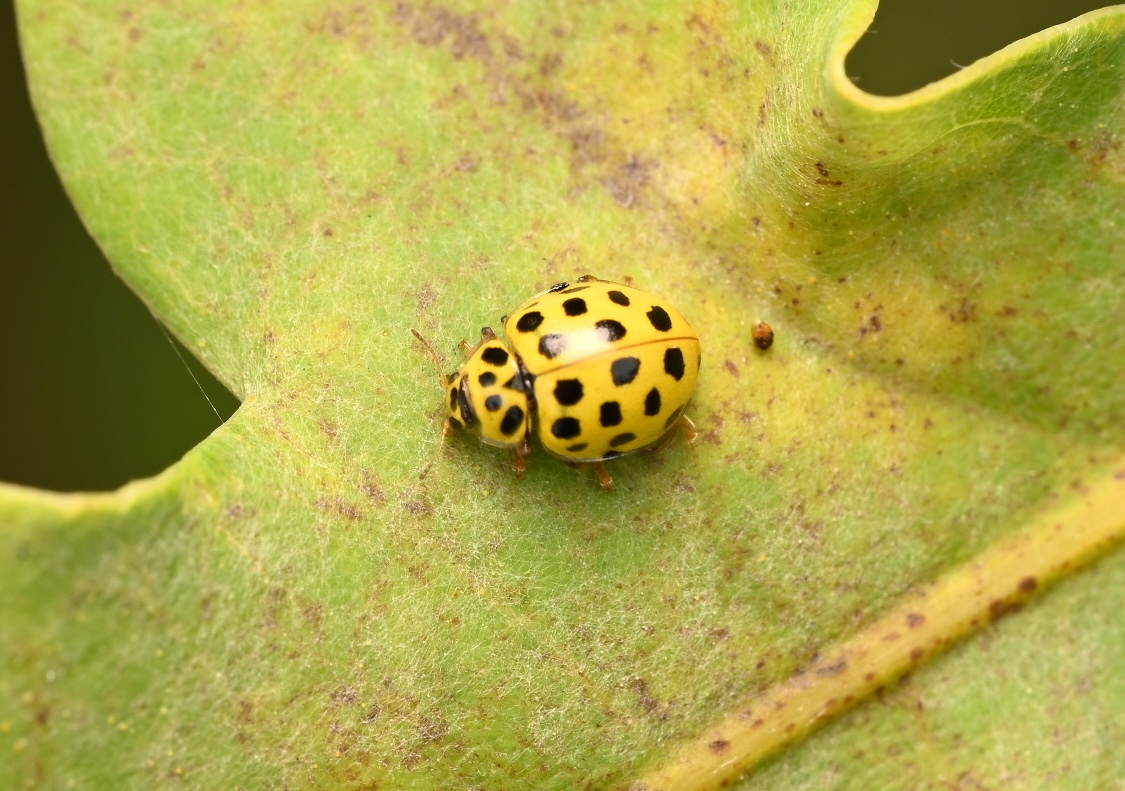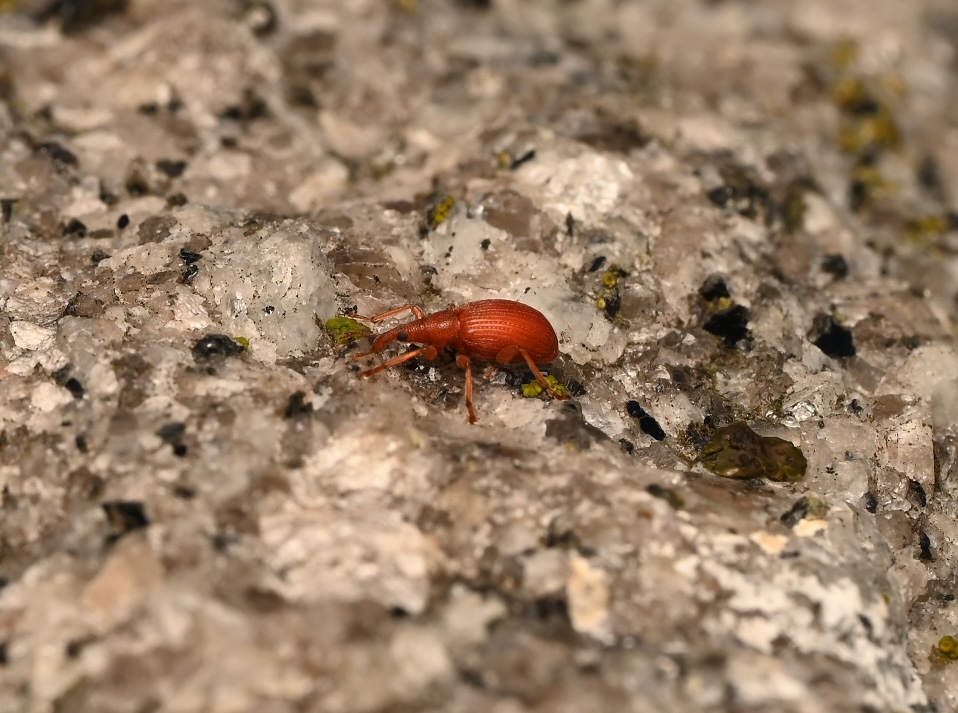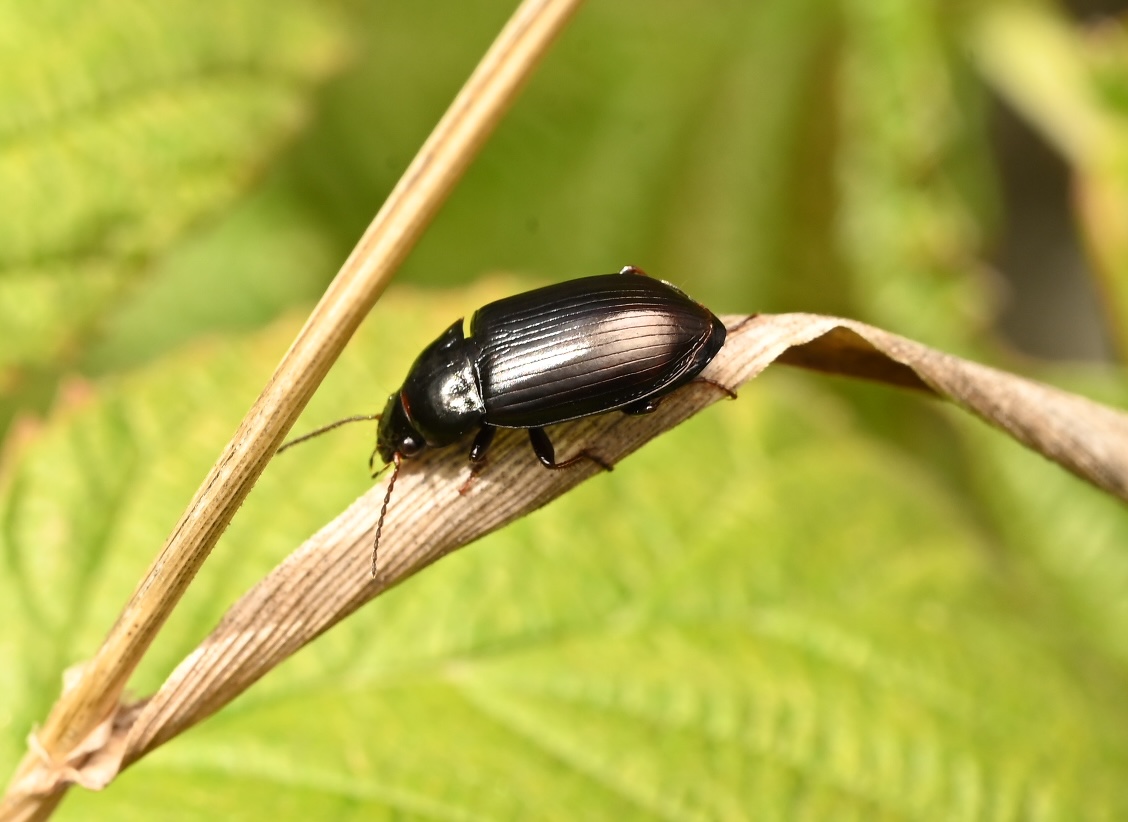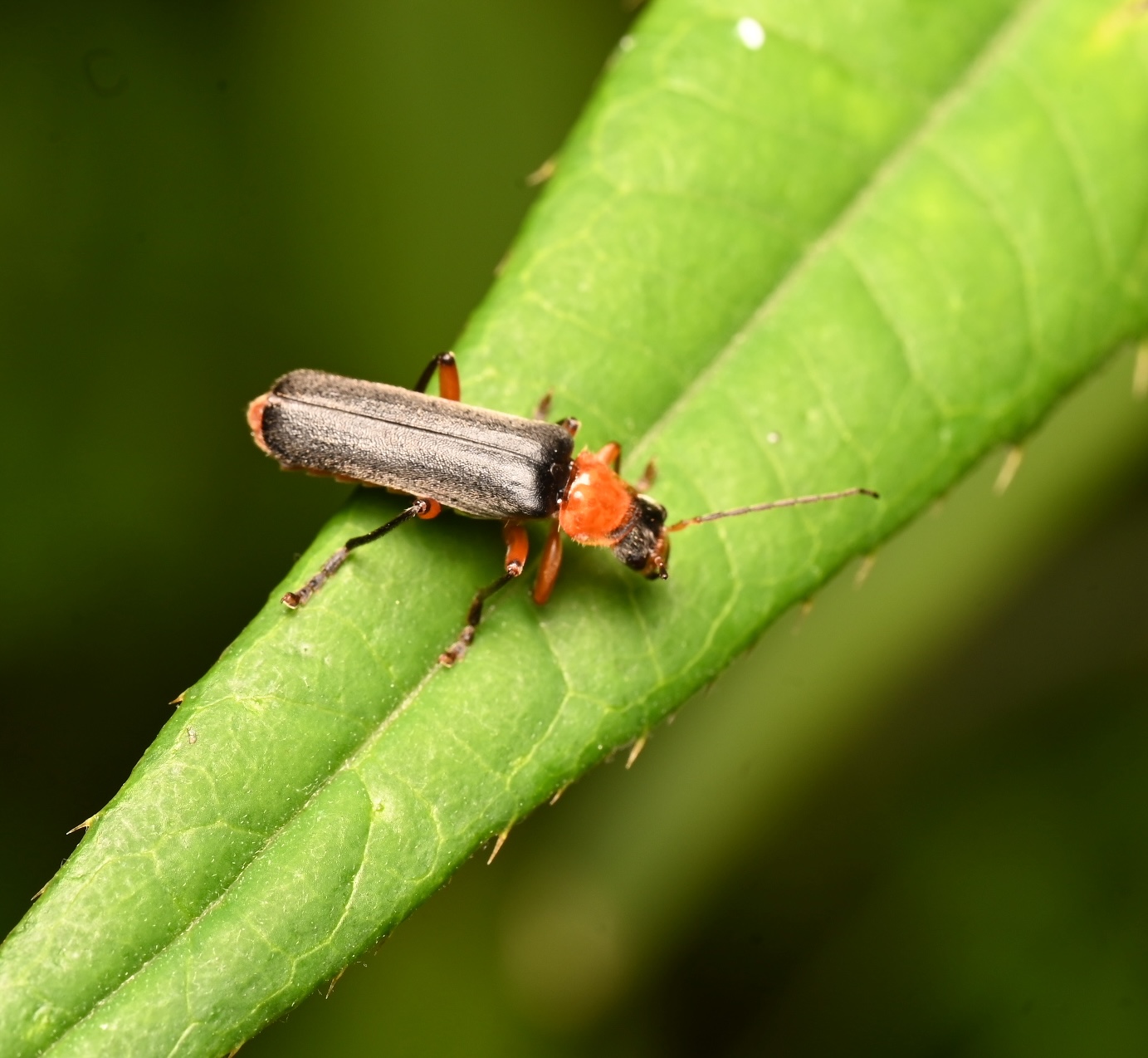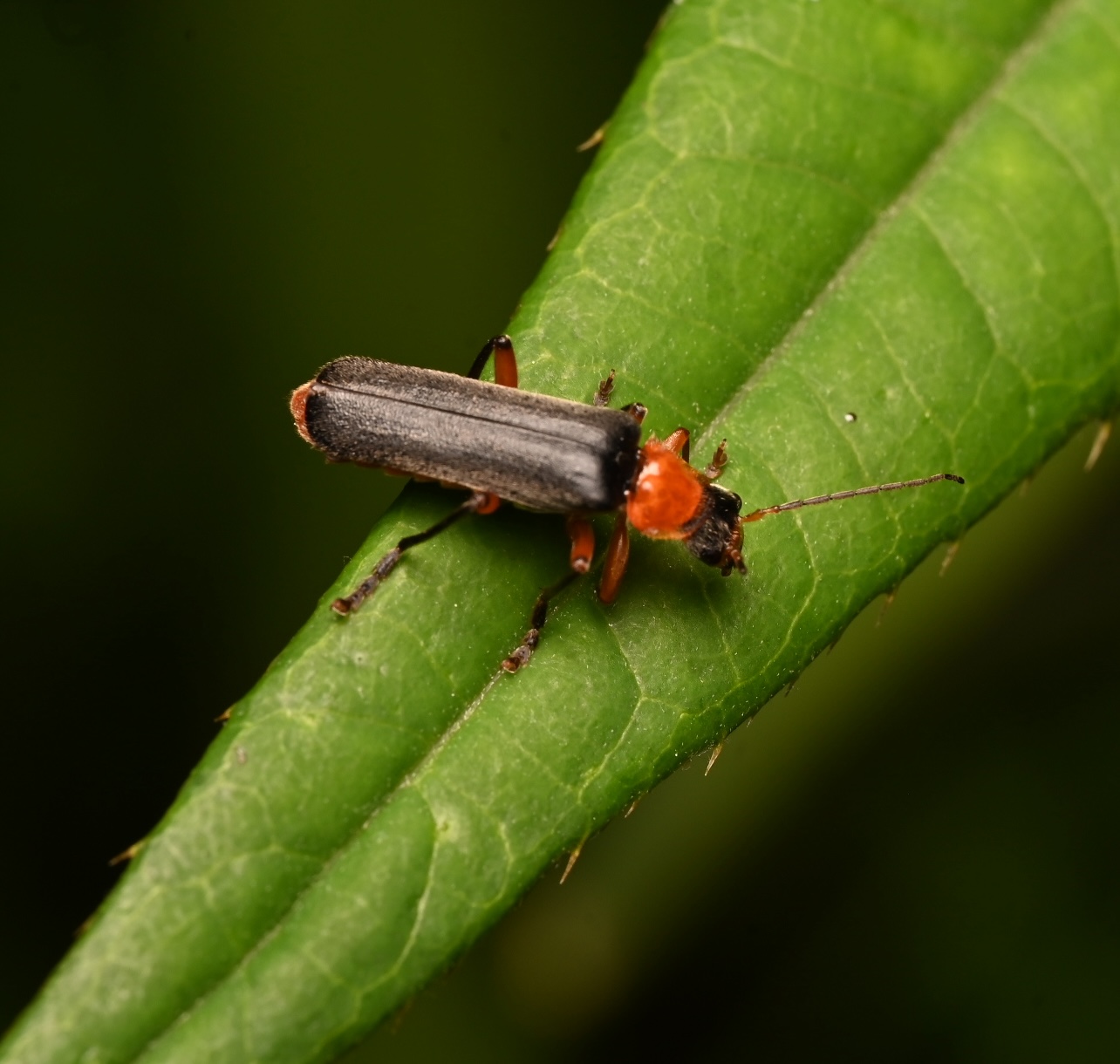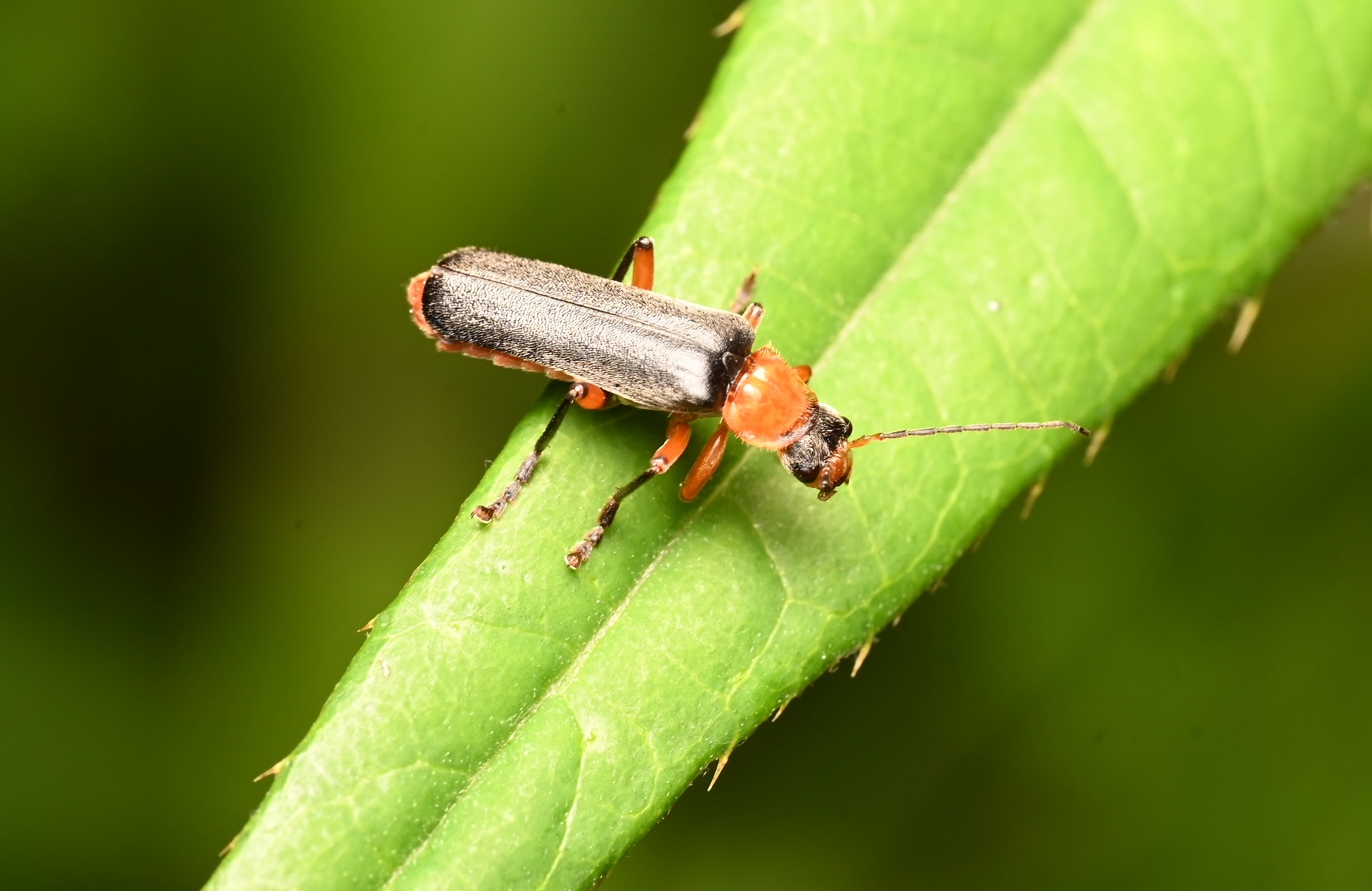
Meet the soldier beetle (Cantharis lateralis), a small but mighty predator measuring just 5 to 7 mm in length. Widespread across Europe, this beneficial insect is a true double agent in the ecosystem. As adults, they are voracious hunters of aphids and caterpillars, yet they frequently visit umbellifer flowers like cow parsley to feast on pollen and nectar, inadvertently acting as highly effective pollinators. Their subterranean larvae are equally industrious, patrolling leaf litter for slugs and worms. Incredibly, these larvae are exceptionally cold-hardy, remaining active throughout the dead of winter and occasionally emerging to crawl straight across the snow. To protect themselves while foraging in the open, adults rely on aposematic coloration—a vivid warning palette that signals their foul taste to potential predators. If handled roughly, they can even release a mildly pungent, defensive chemical cocktail. I crossed paths with this striking, beneficial beetle at a riverside campsite in Finland, adding yet another fantastic species to my documentation of the northern riverbanks.