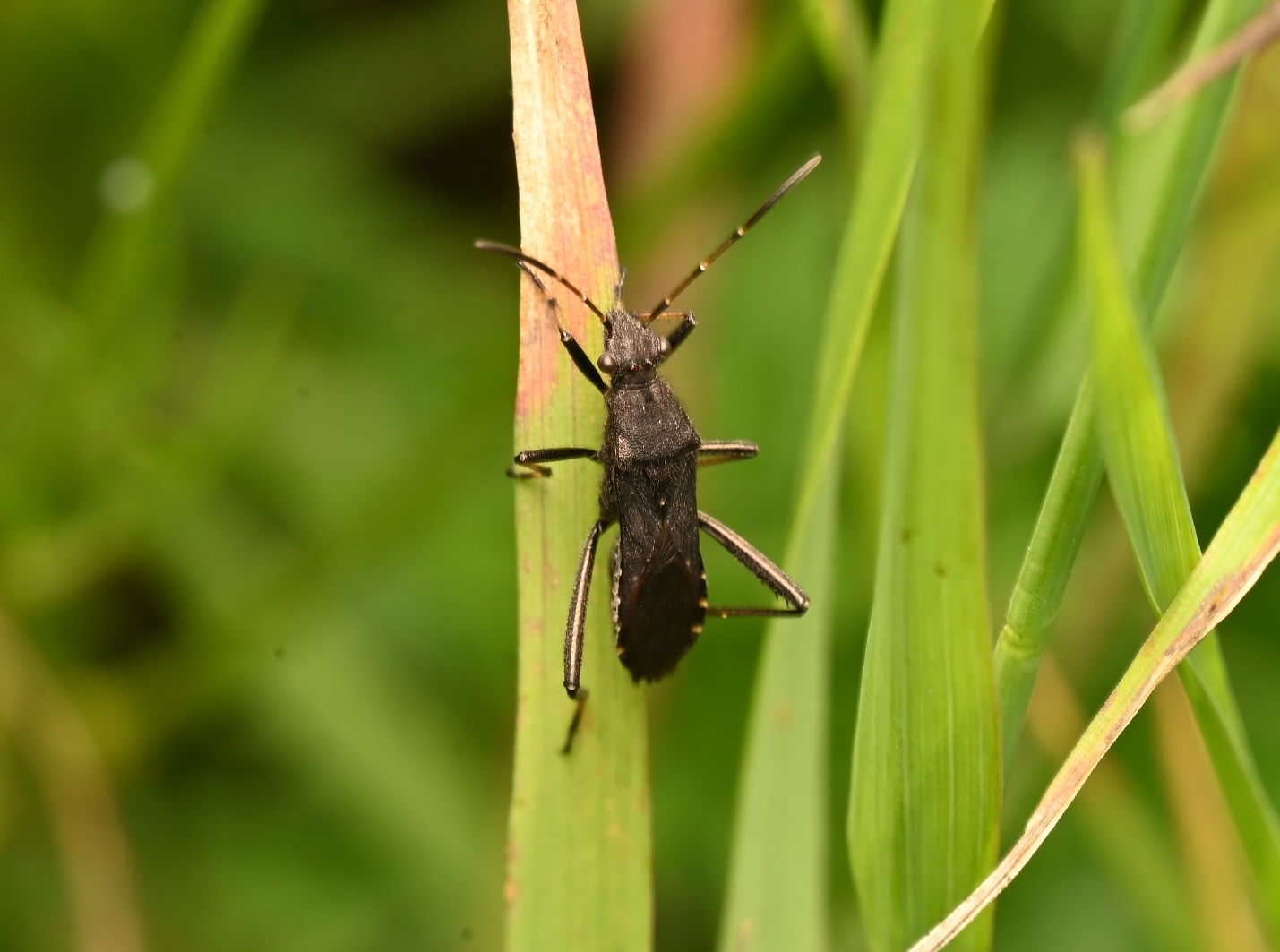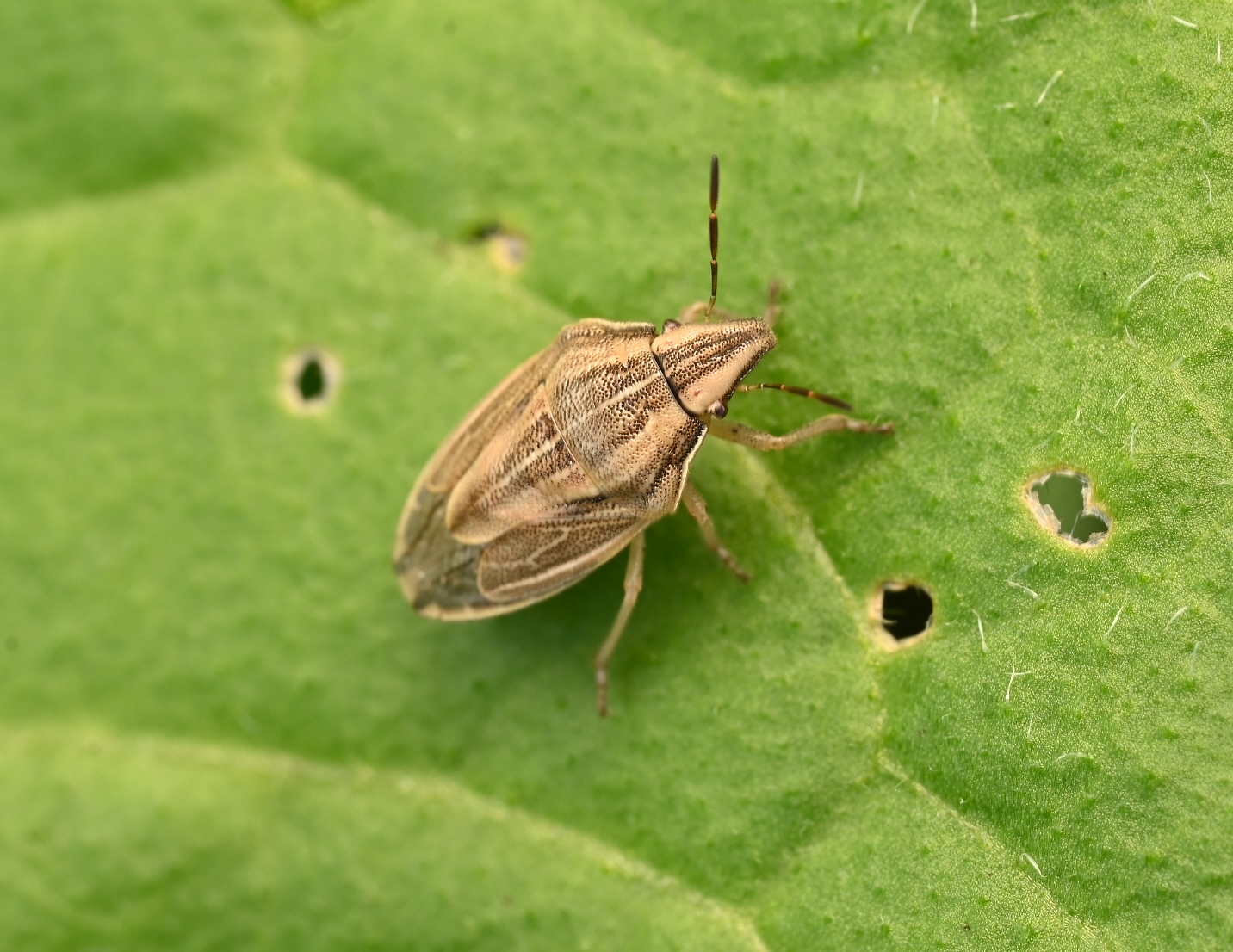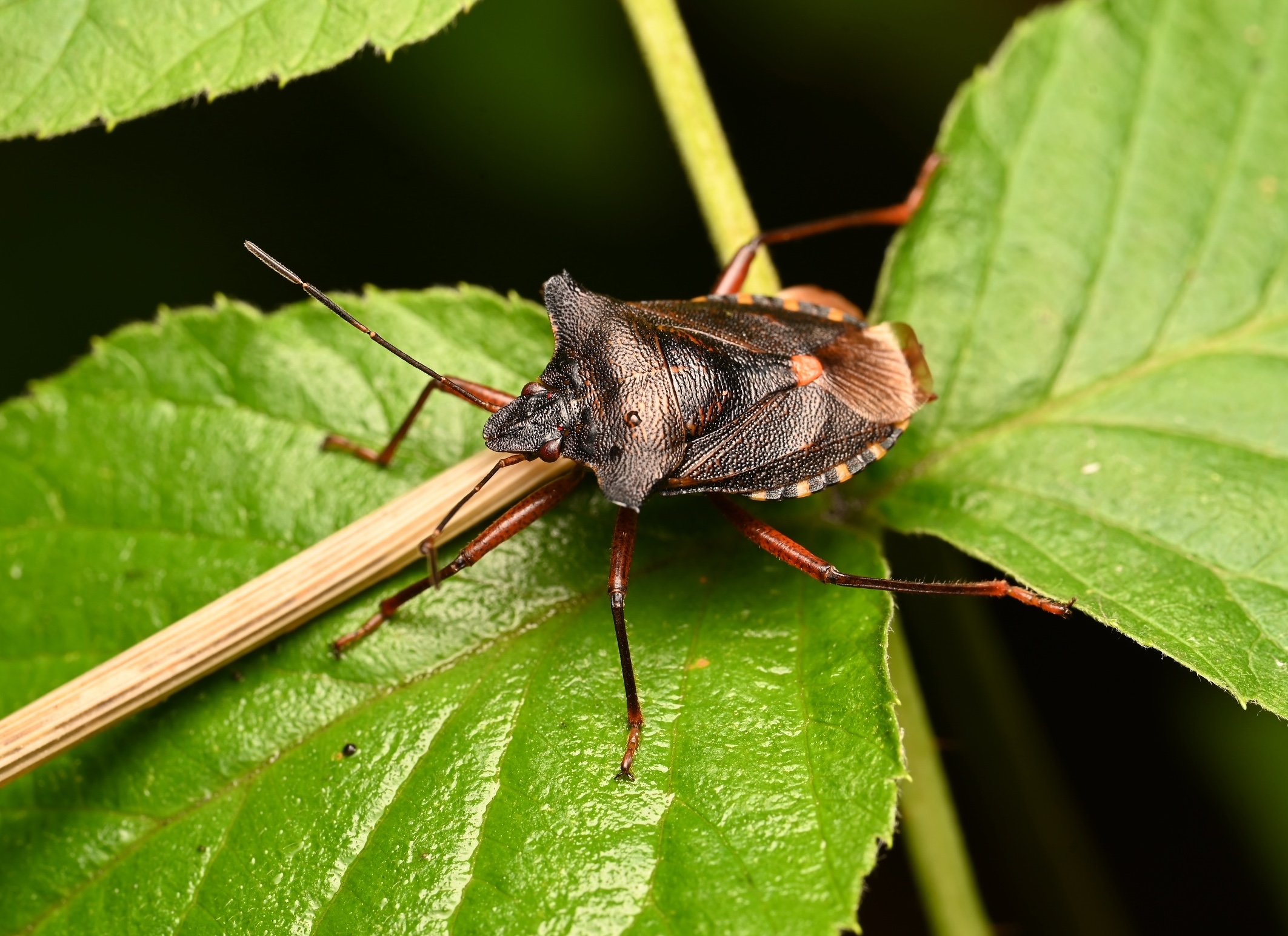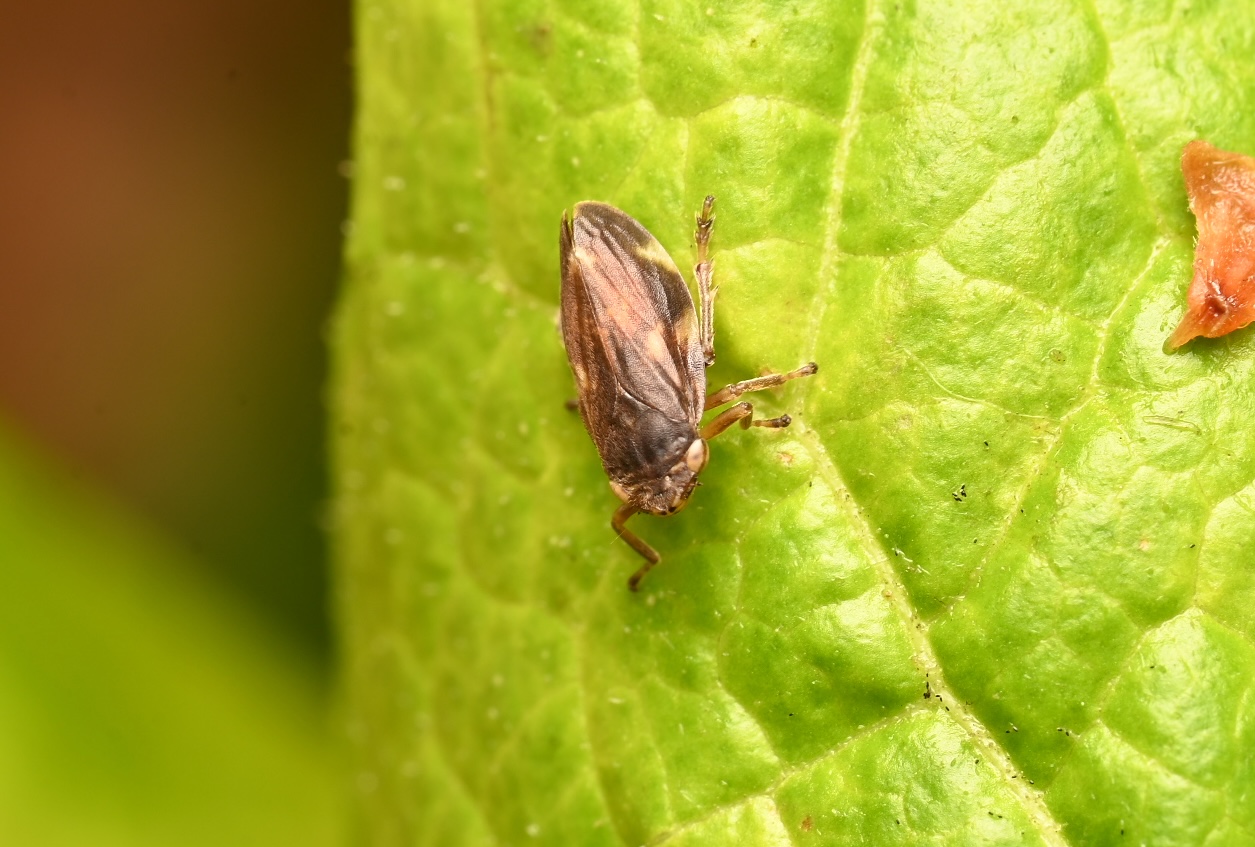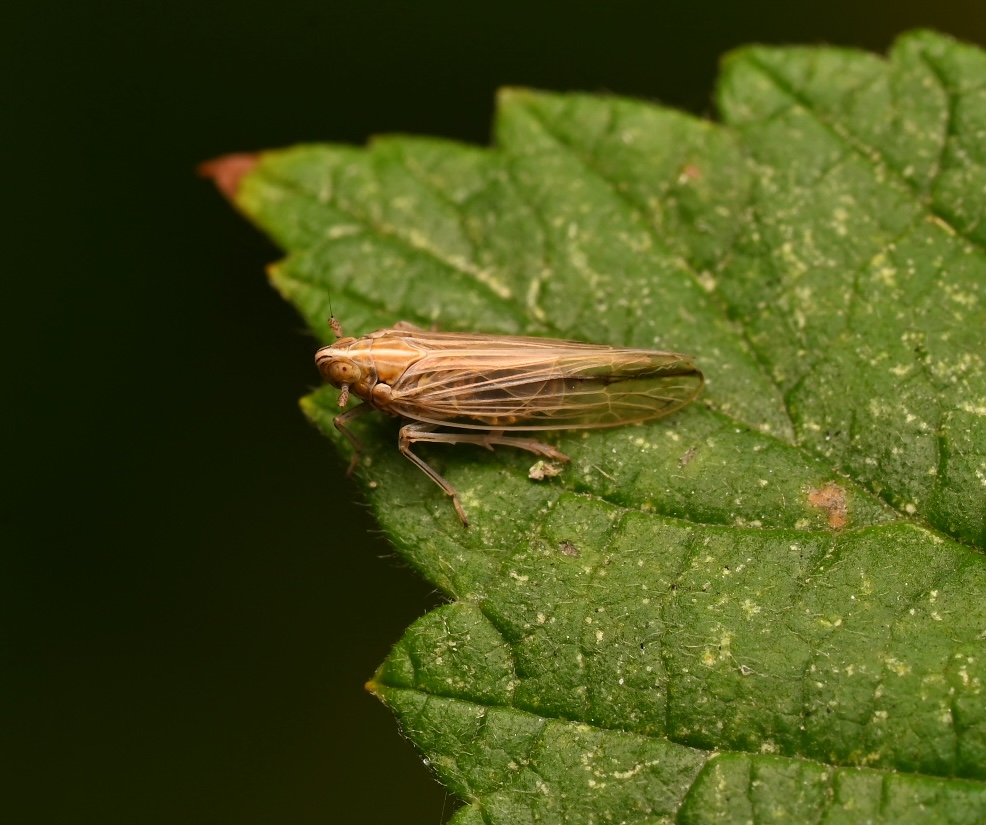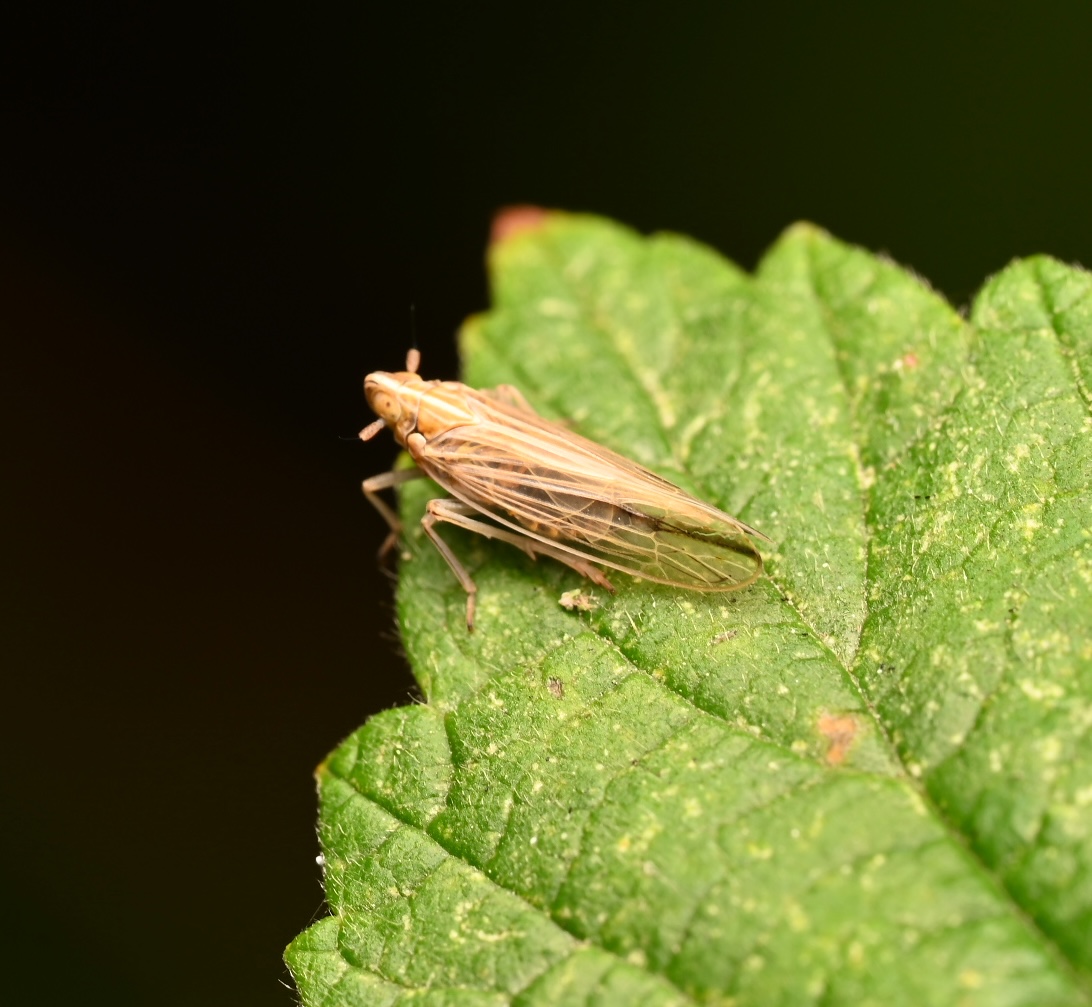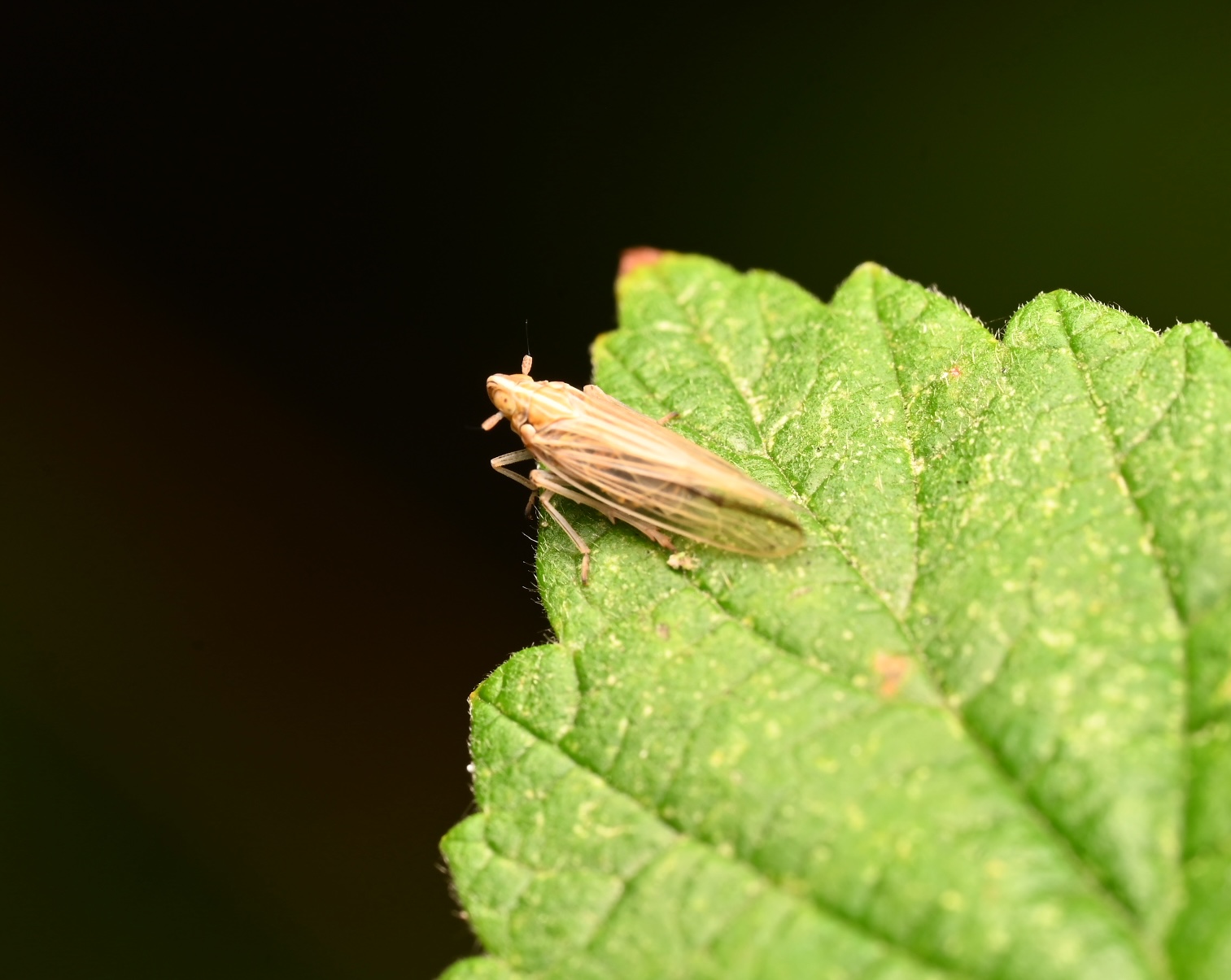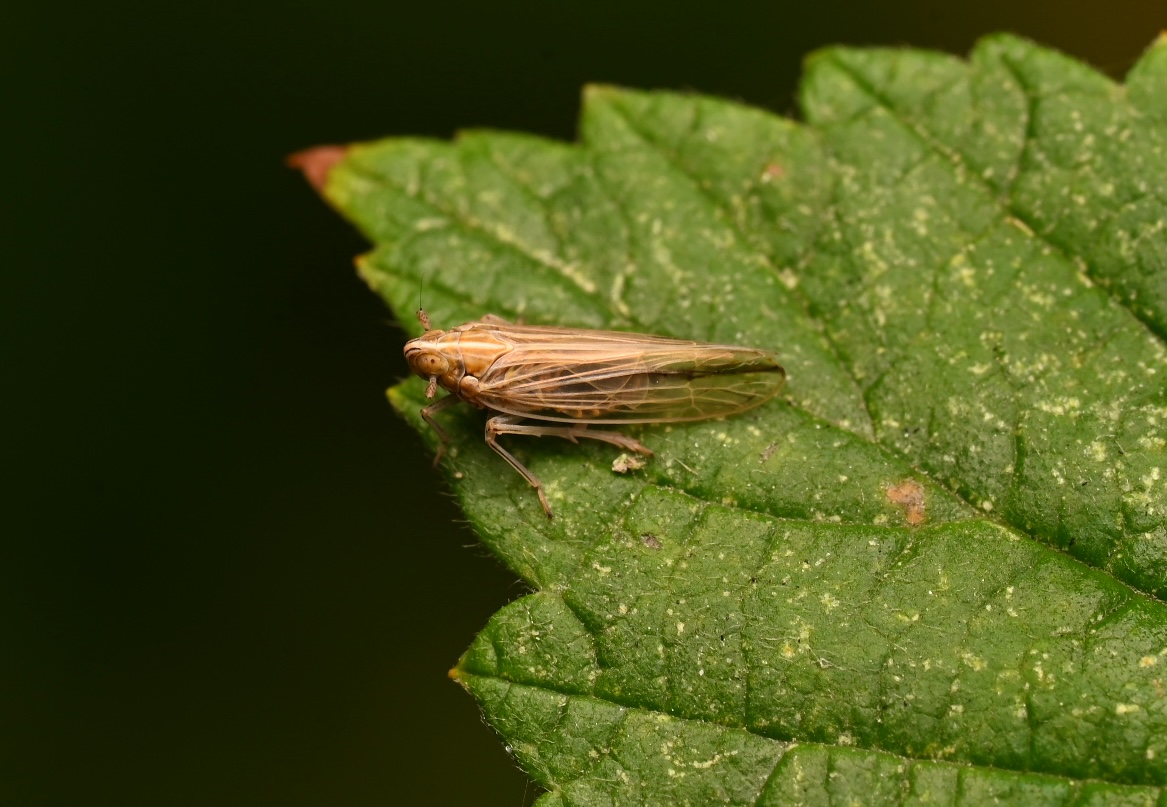
With its elongated, cone-shaped head projecting distinctly forward, Stenocranus minutus looks like a miniature spacecraft perched on a blade of grass. Measuring just a few millimeters long, this delicate, semi-transparent planthopper is a master of camouflage, blending seamlessly into wild grasses across Europe and North Africa. Beyond its unique side profile, this tiny hopper holds a special place in insect history: back in 1866, entomologist Franz Xaver Fieber chose it as the ultimate “blueprint” species when founding the entire Stenocranus genus of the family Delphacidae. Females also display remarkable maternal care—when laying eggs inside grass blades, they dust them with a specialized powder wax to shield them from drying out or becoming a predator’s snack! Unlike many insects that fade away before winter, these resilient planthoppers emerge in late summer, sleep right through the freezing winter as fully grown adults, and wake up on the first warm spring days to mate. I came across this tiny, translucent marvel quietly resting on forest foliage near Barkarby, Sweden!