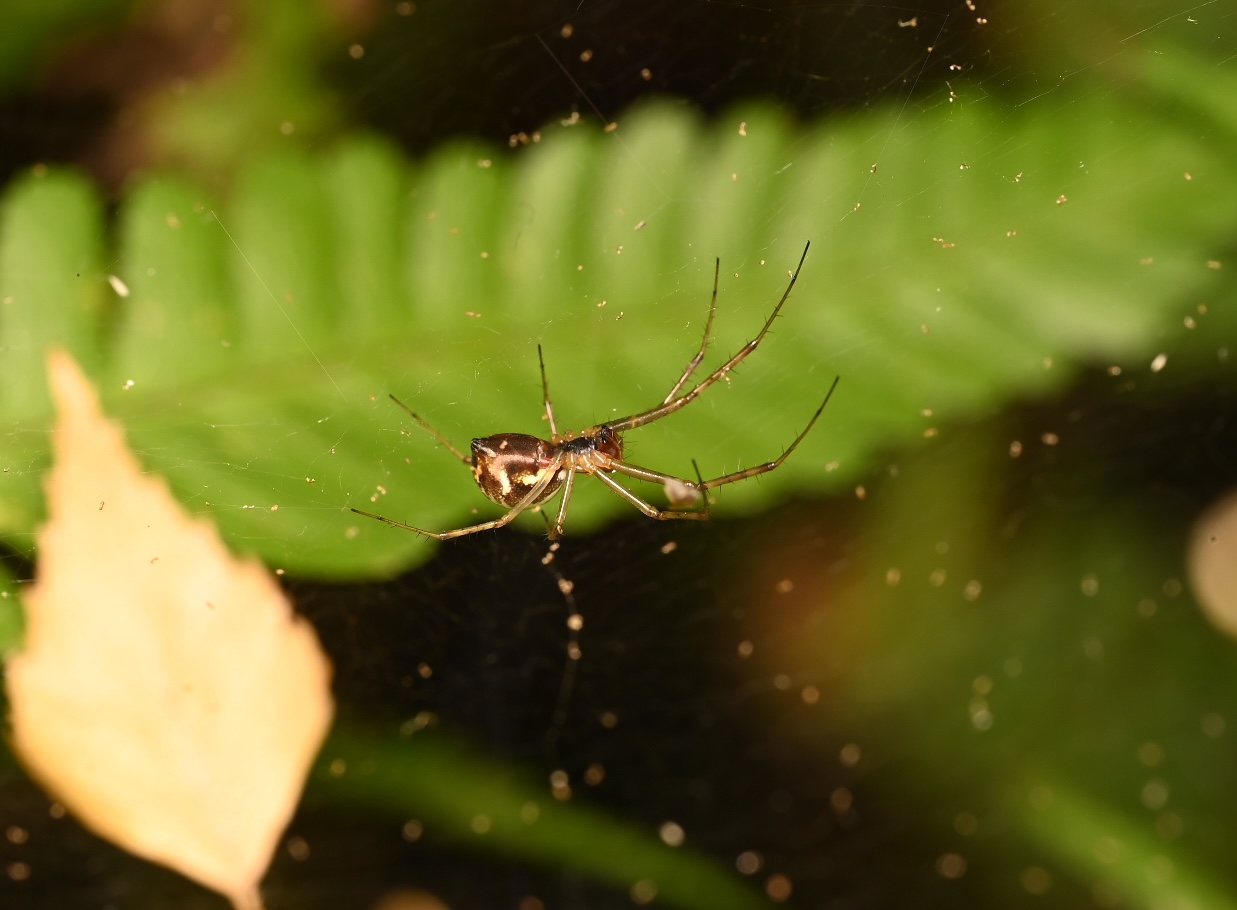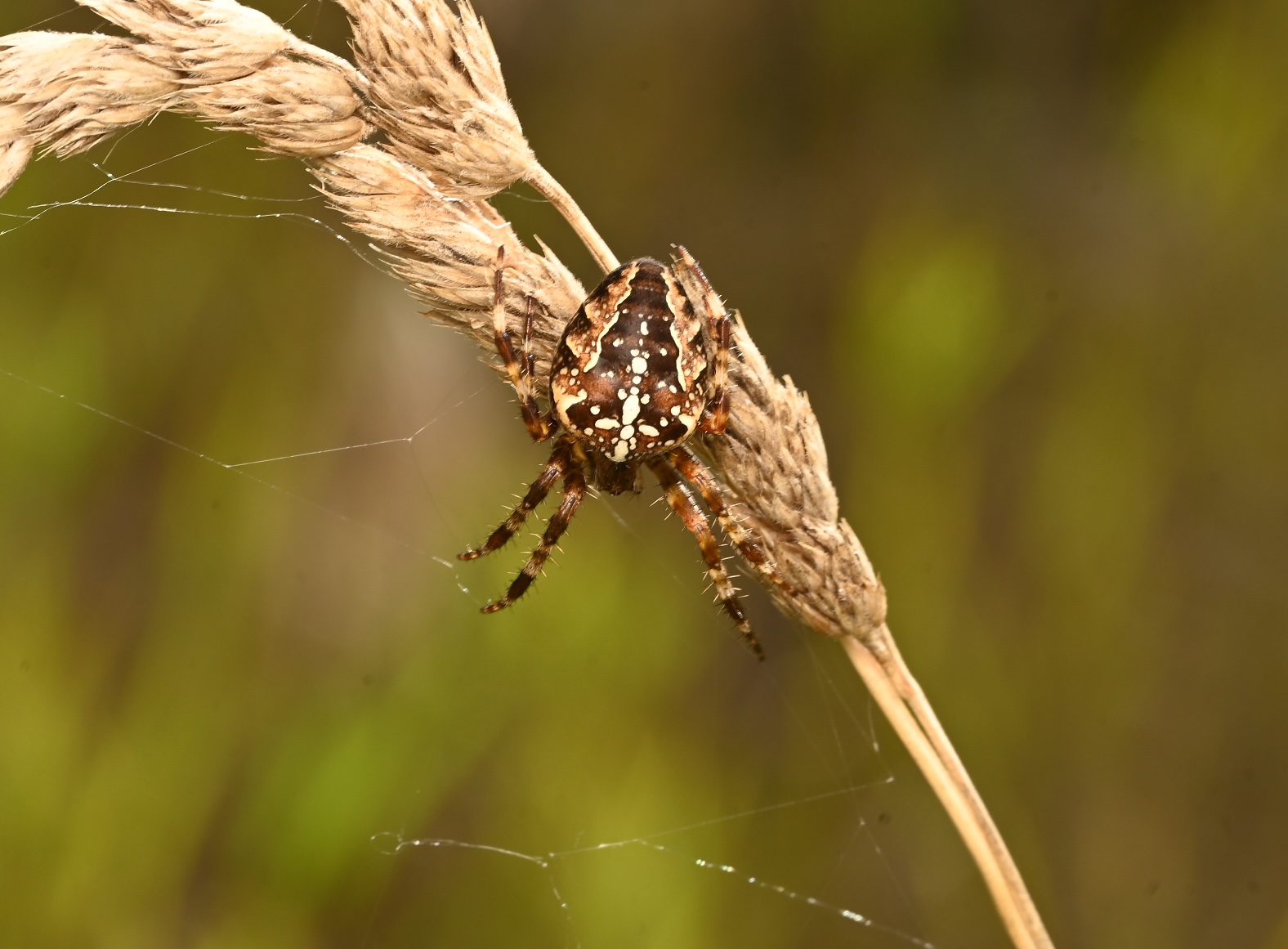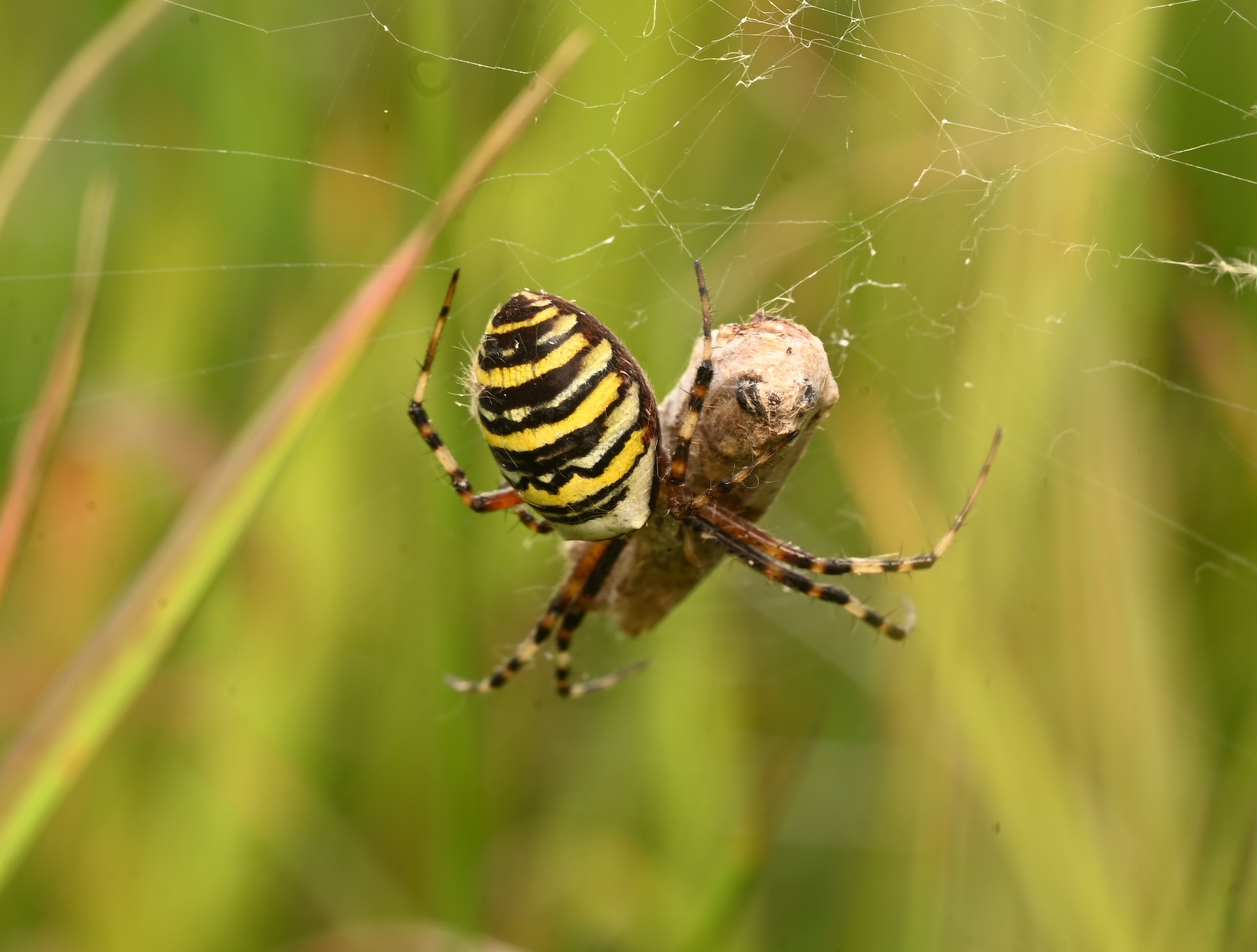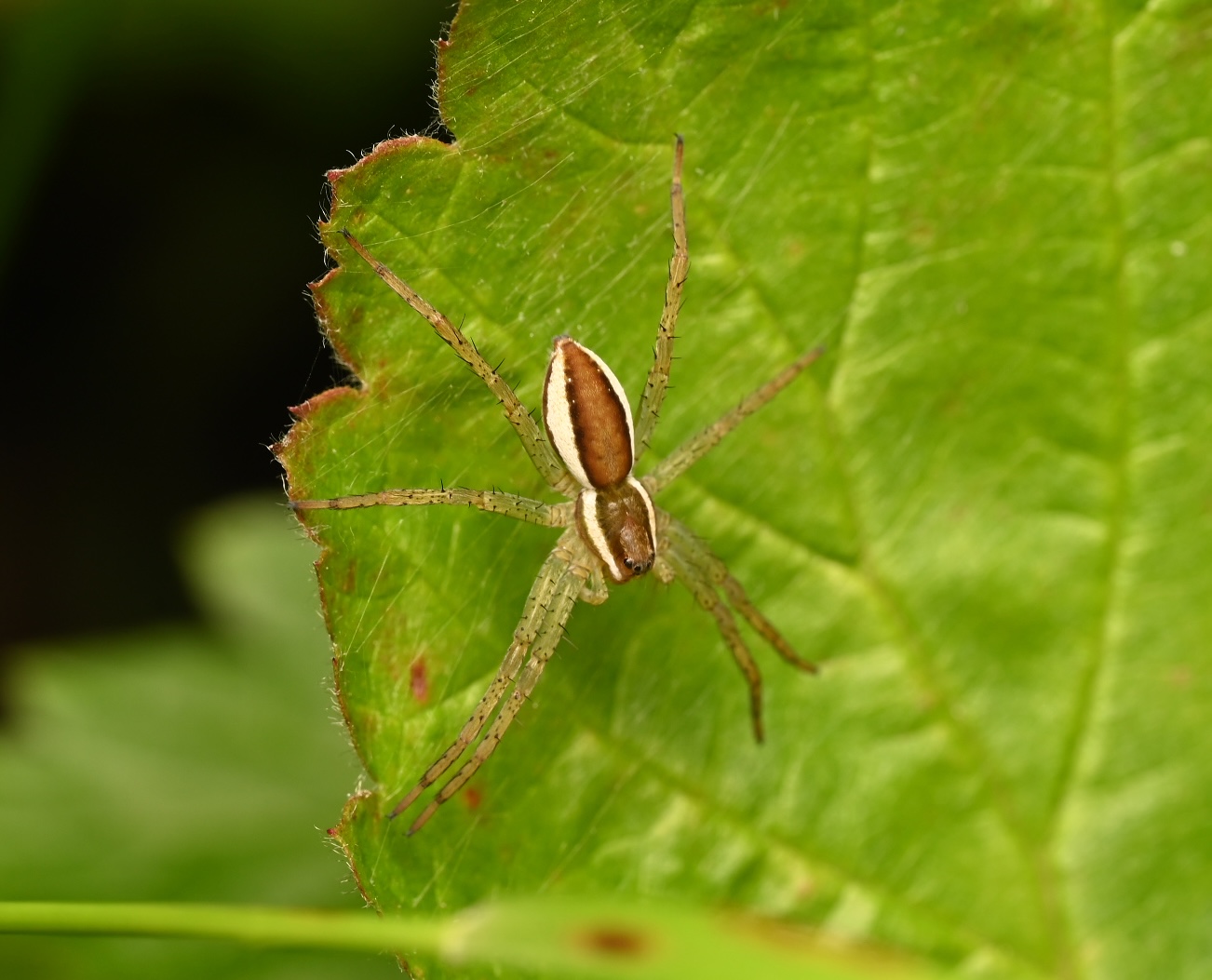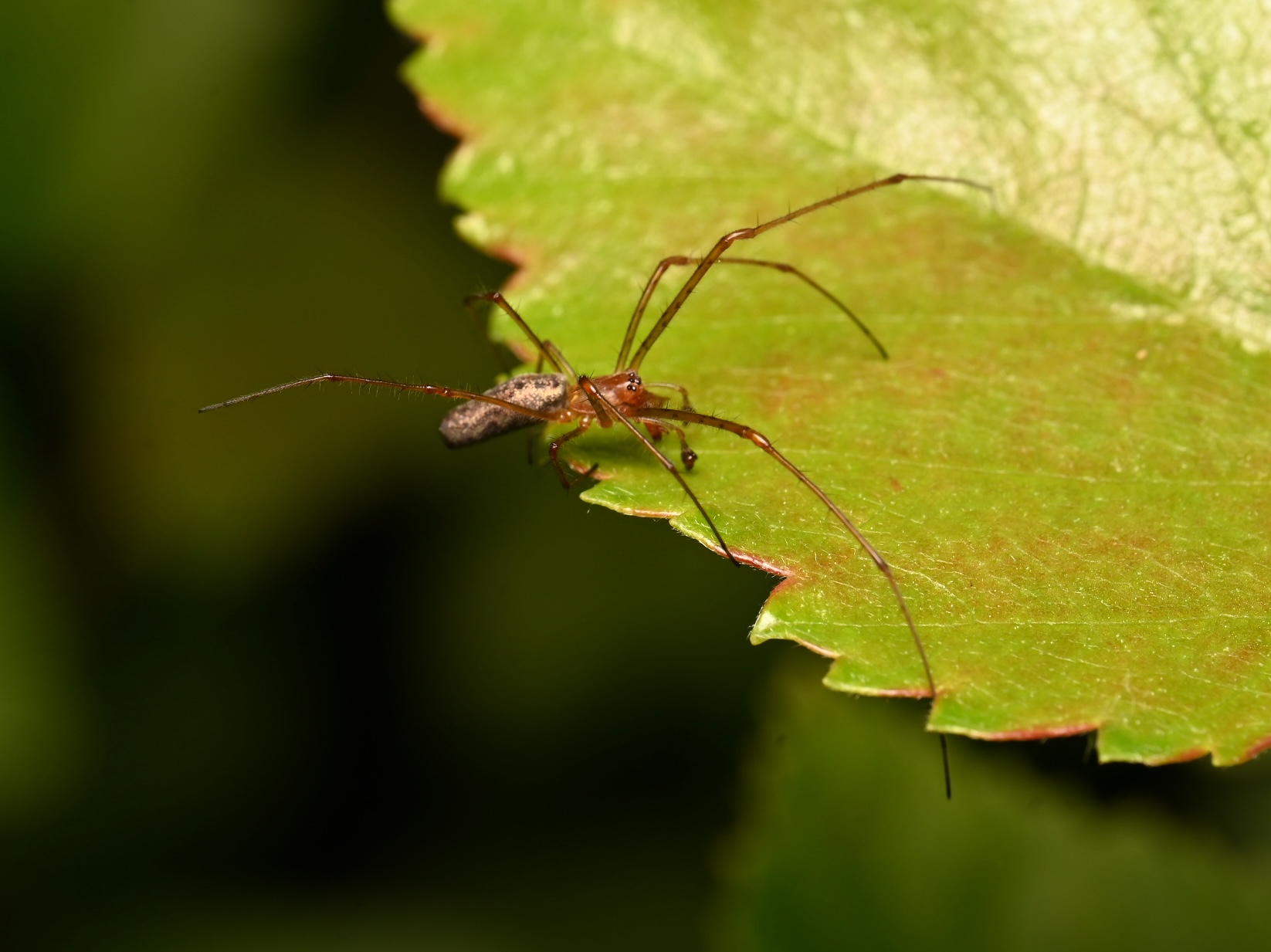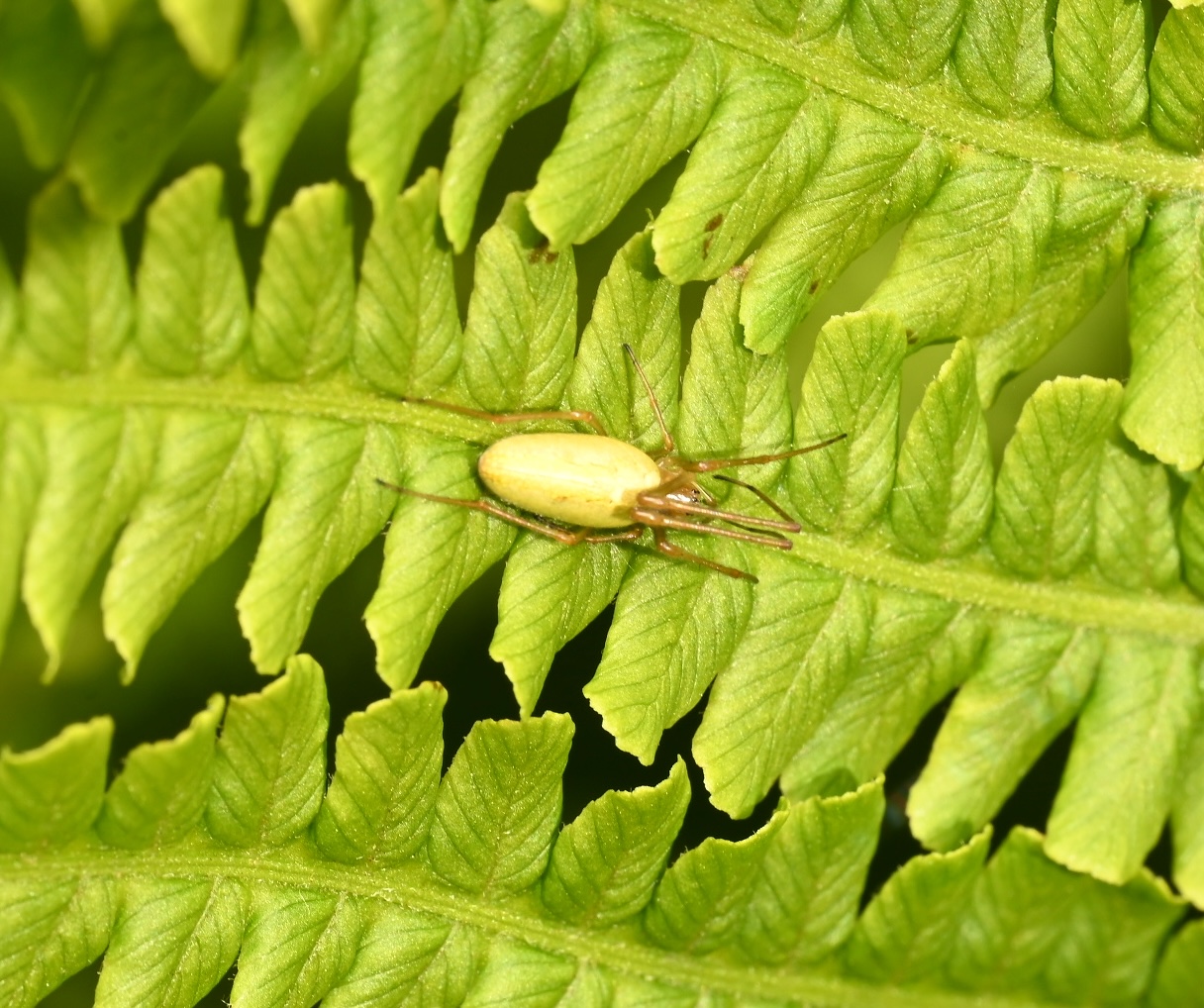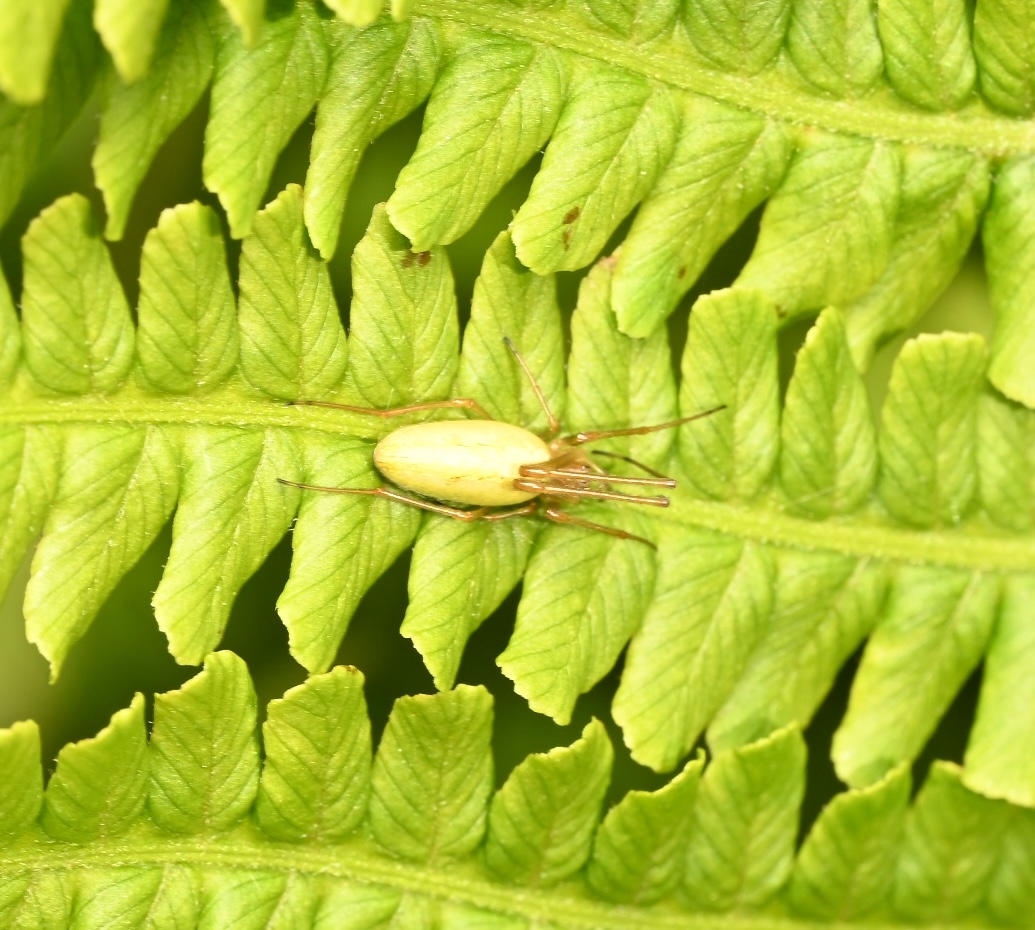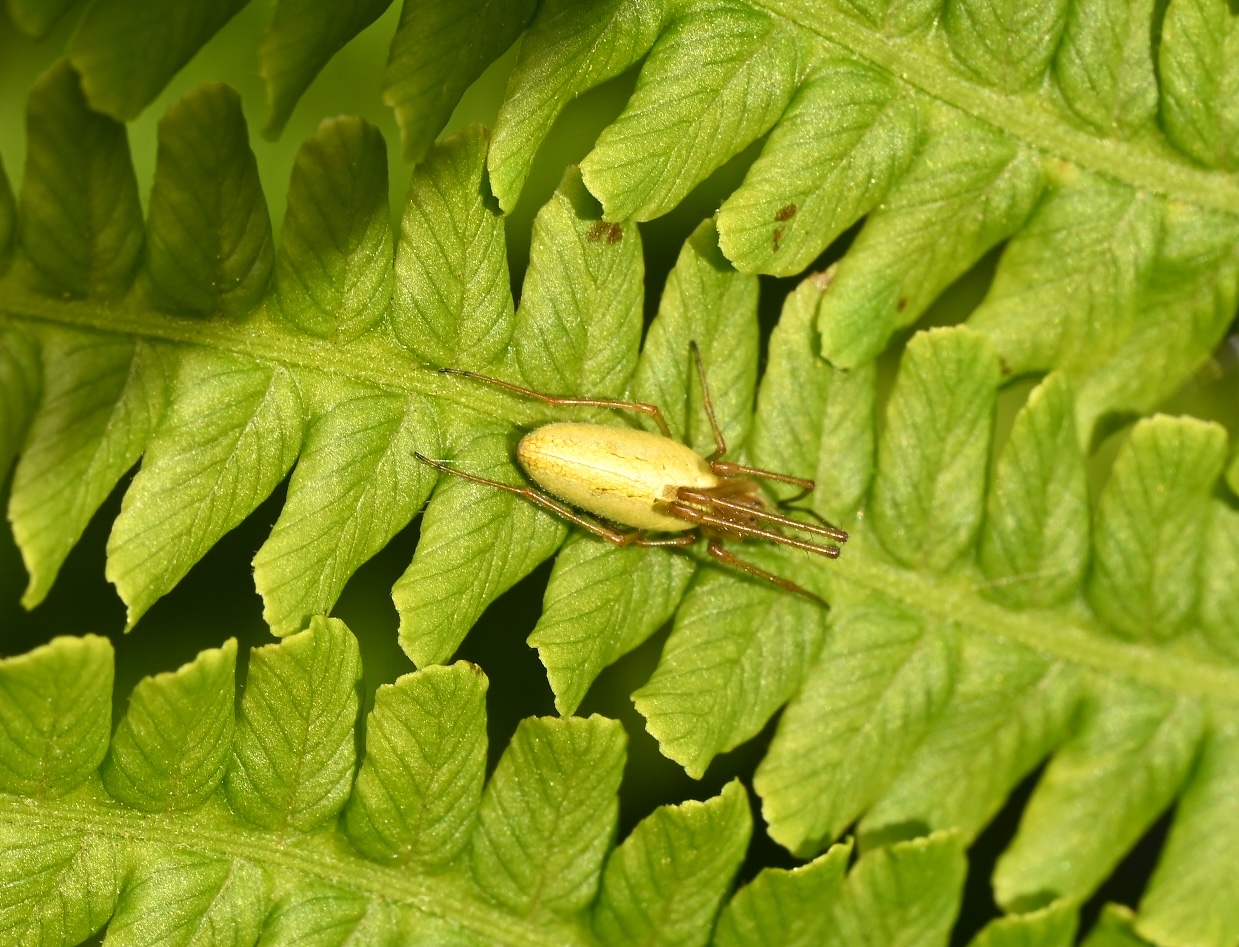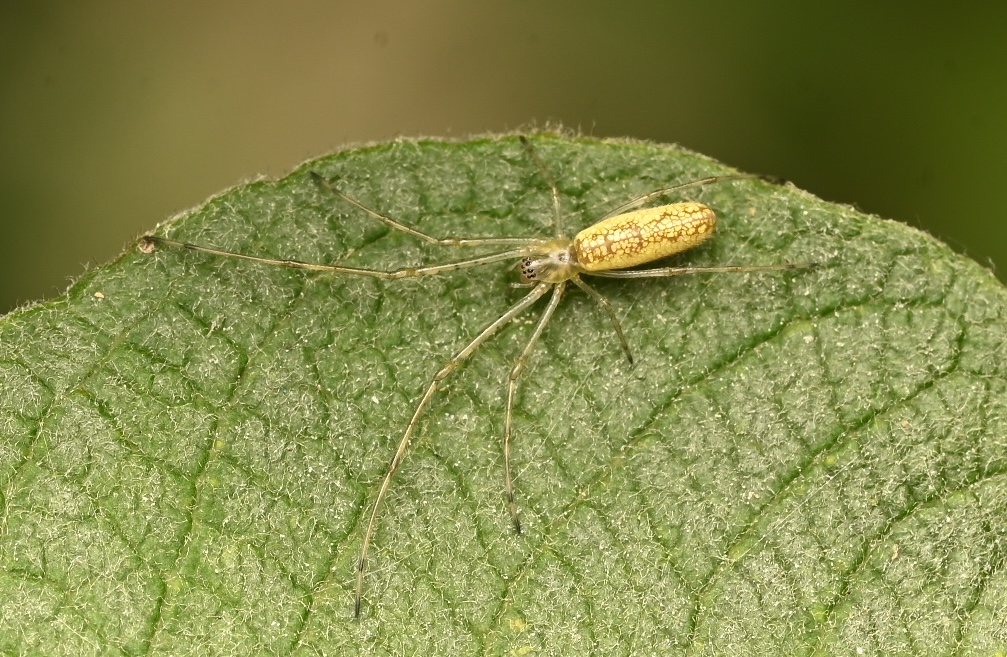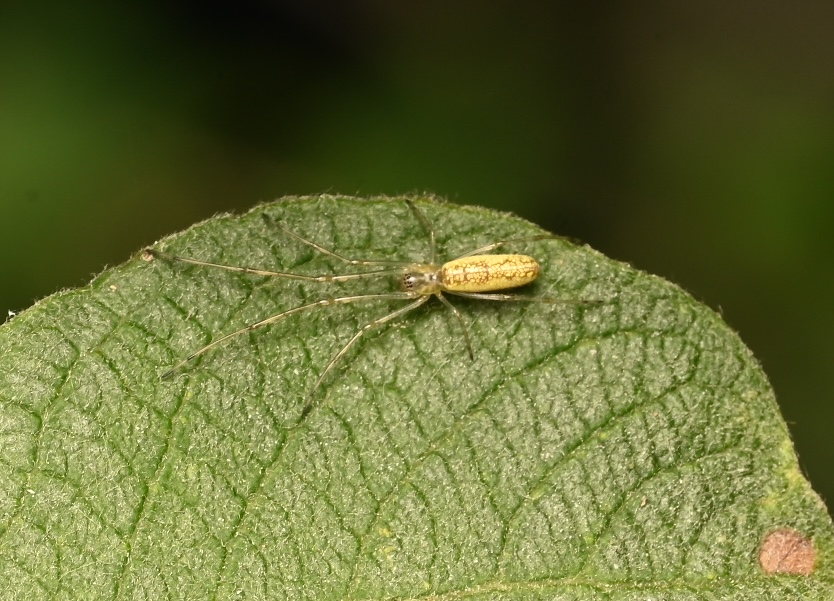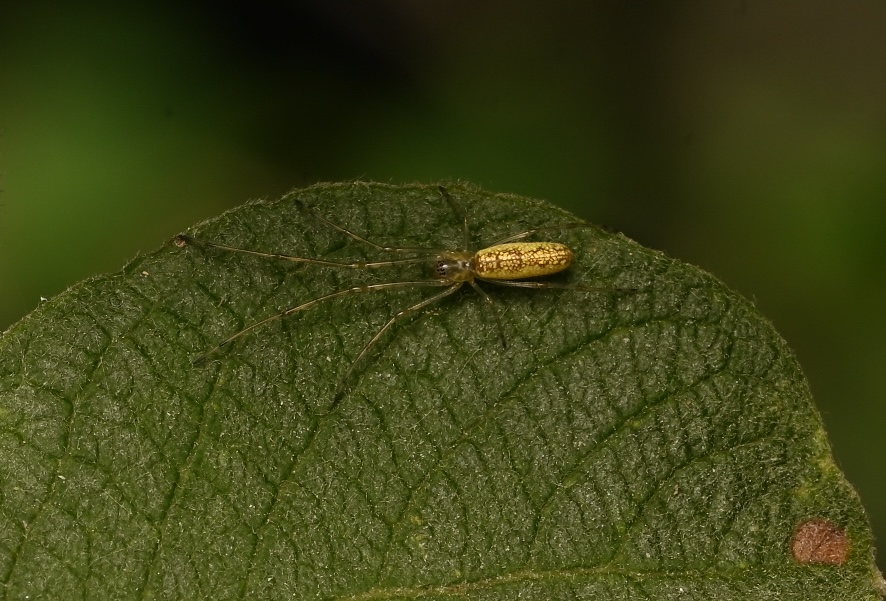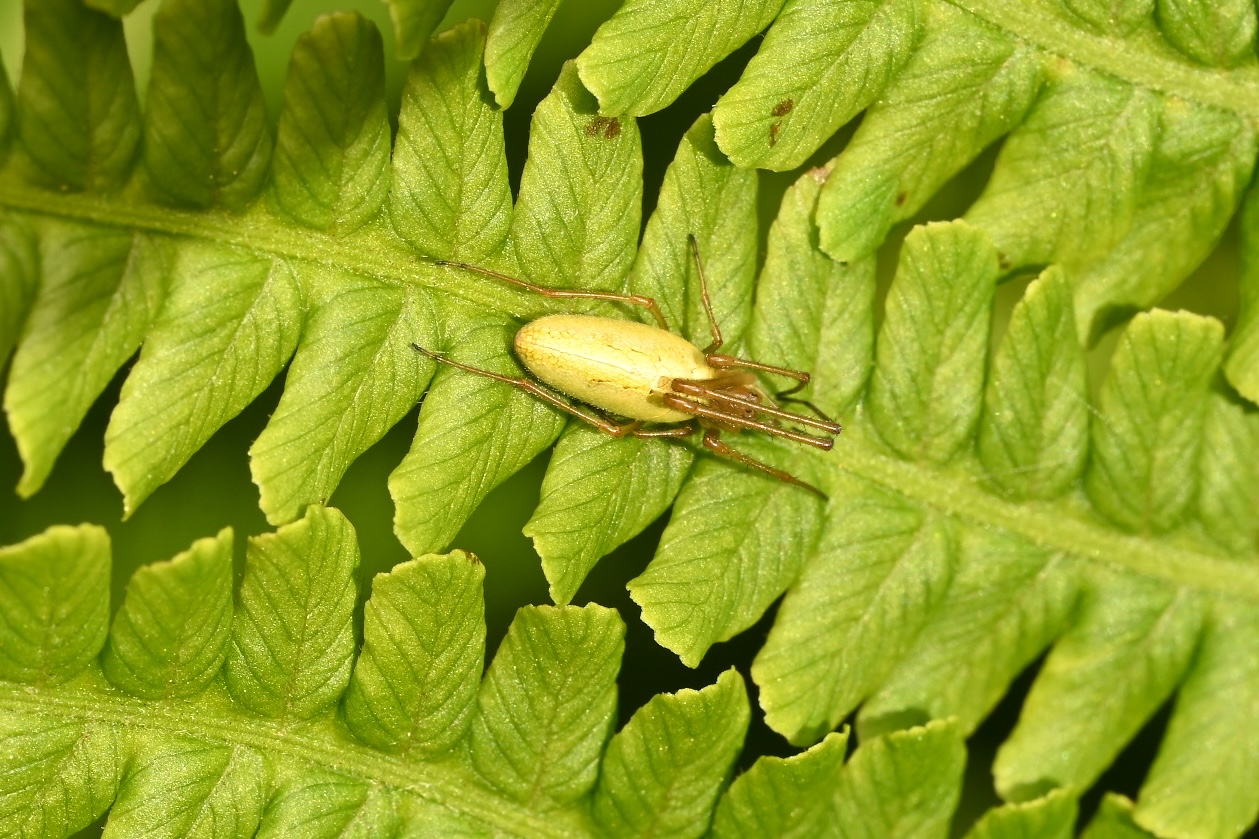
Meet the common stretch spider (Tetragnatha extensa), a fascinating long-jawed orb weaver found throughout the Northern Hemisphere. While many spiders dread falling into the water, this specialized hunter is entirely at home on the surface film. Incredibly, it can run faster across the surface tension of a stream or pond than it can crawl on dry land, generating remarkable speed with alternating strokes of its elongated front legs. When threatened, it abandons its web and enters a strict defensive posture, aligning its body into a perfectly straight line with its legs extended forward and backward to perfectly mimic a blade of grass or a reed. Thriving in damp water margins, they spin simple, horizontally inclined webs. Because these webs face constant wetland breezes and heavy insect traffic, the spiders regularly consume and rebuild their silk daily to maintain peak structural integrity. I encountered this stubborn specimen at a riverside campsite in Finland. Locked in its defensive camouflage flat against a leaf, its tightly compressed form looked exactly like a small yellow egg. Though I waited patiently for it to break character, the spider refused to budge, leaving me to admire its flawless commitment to looking like a piece of the vegetation. I met a smaller specimen, this time nicely extended on a leaf close in a nice nature reserve in Järfälla, Sweden.