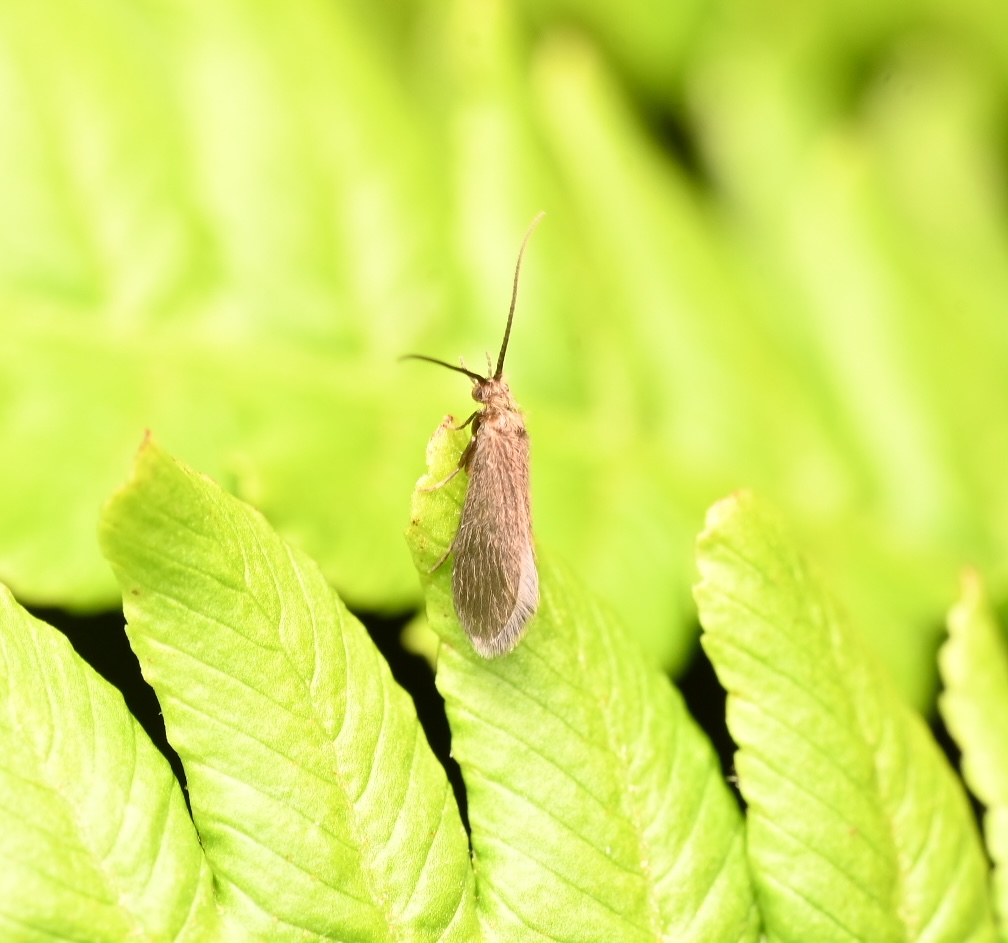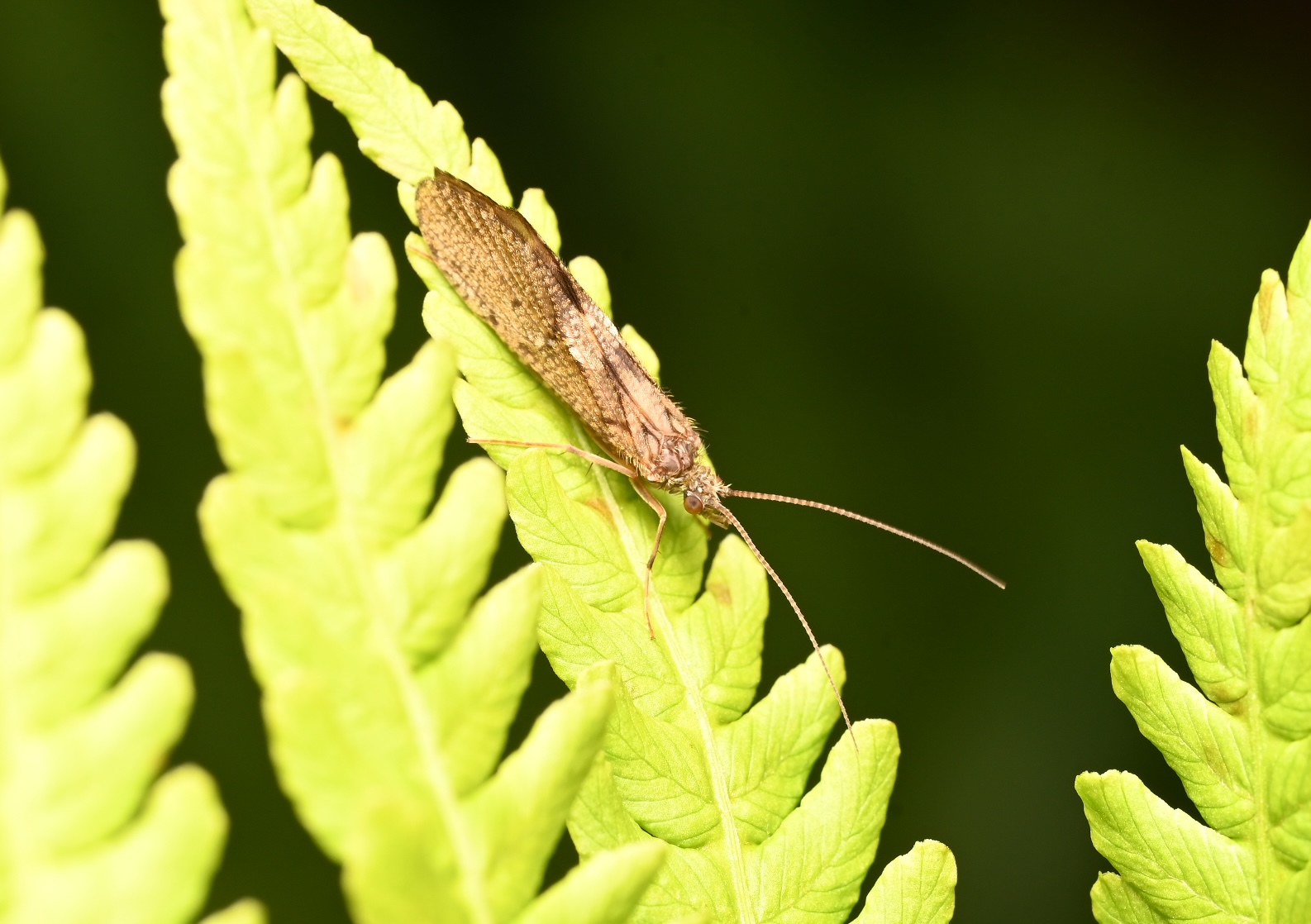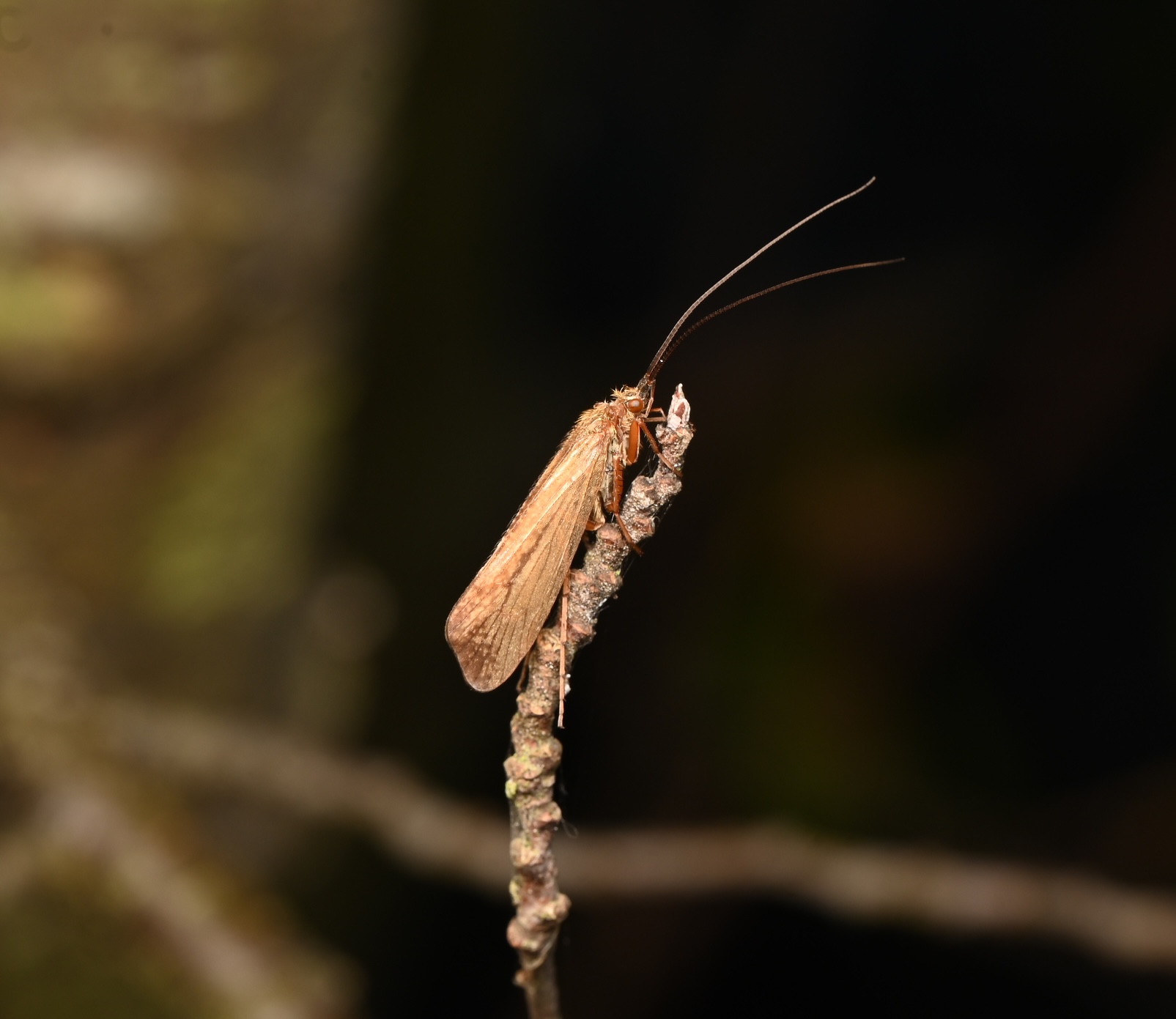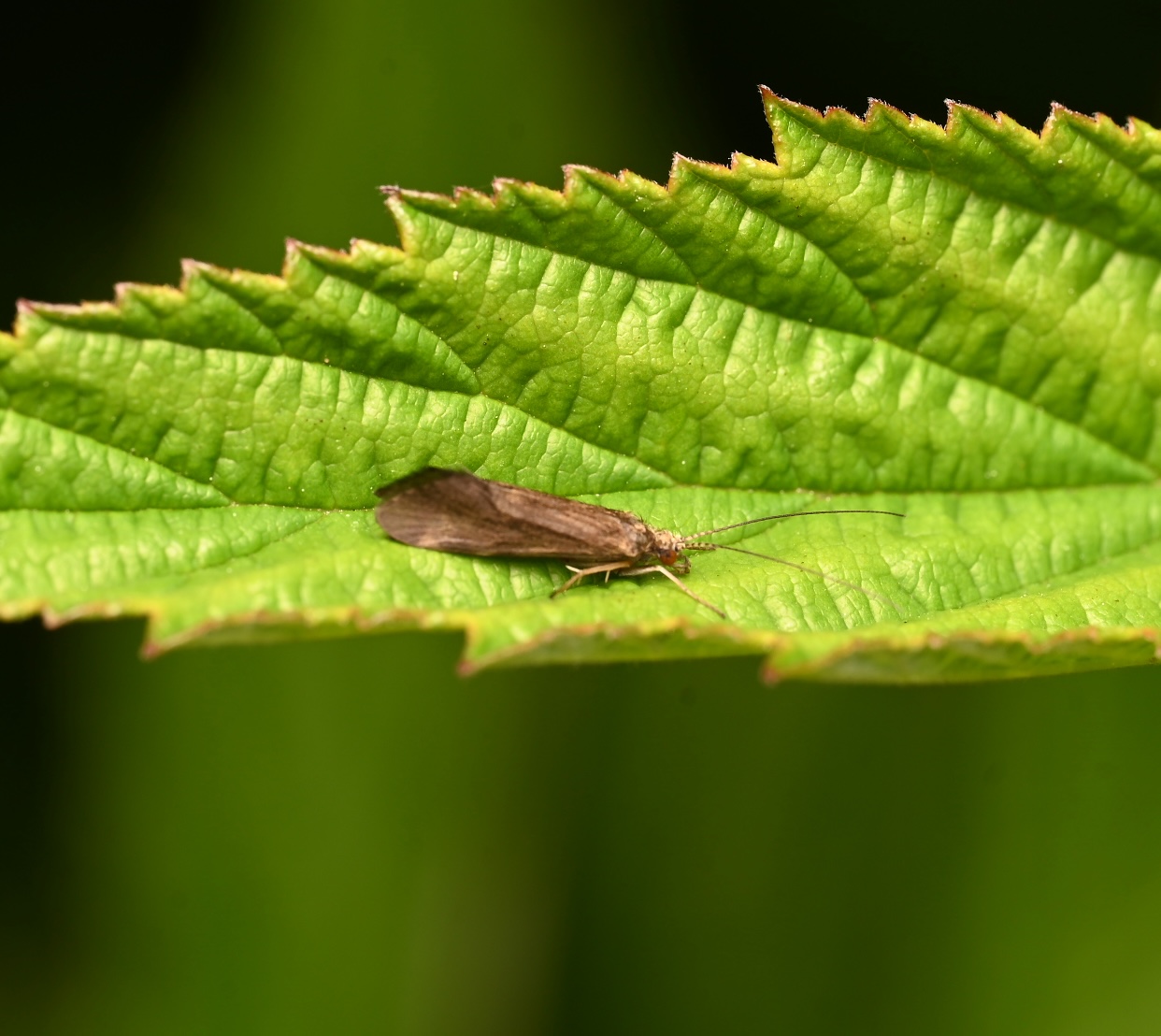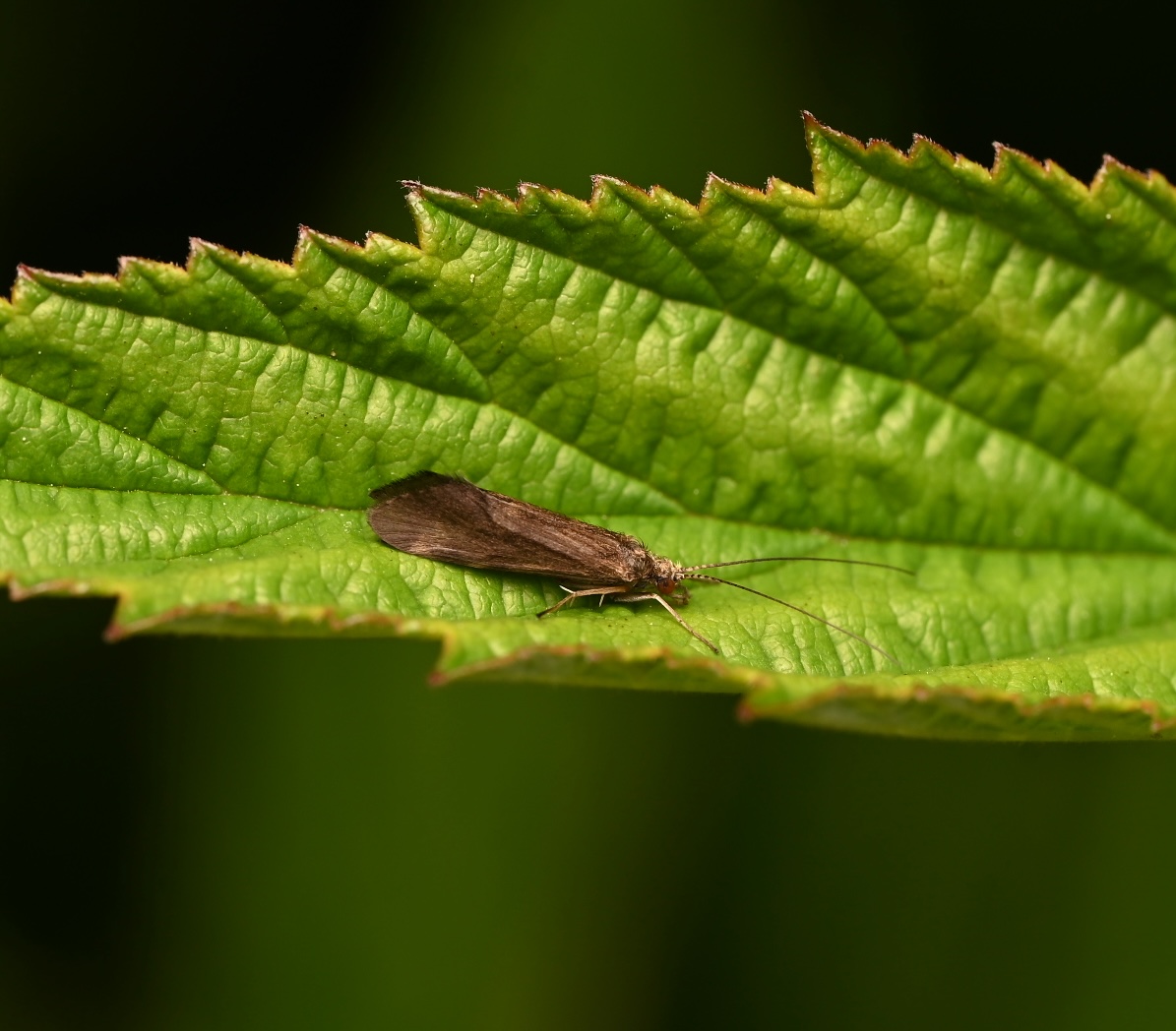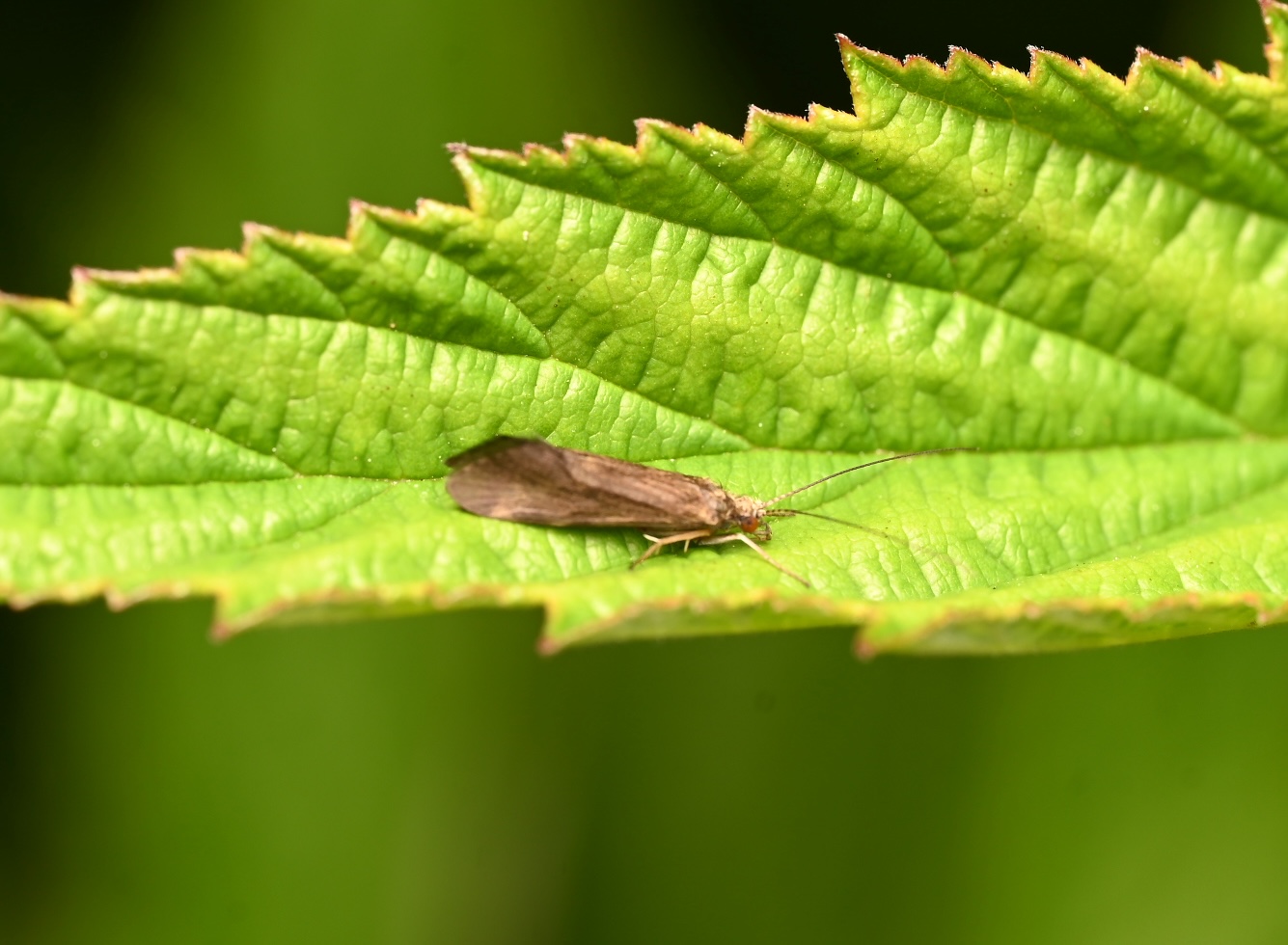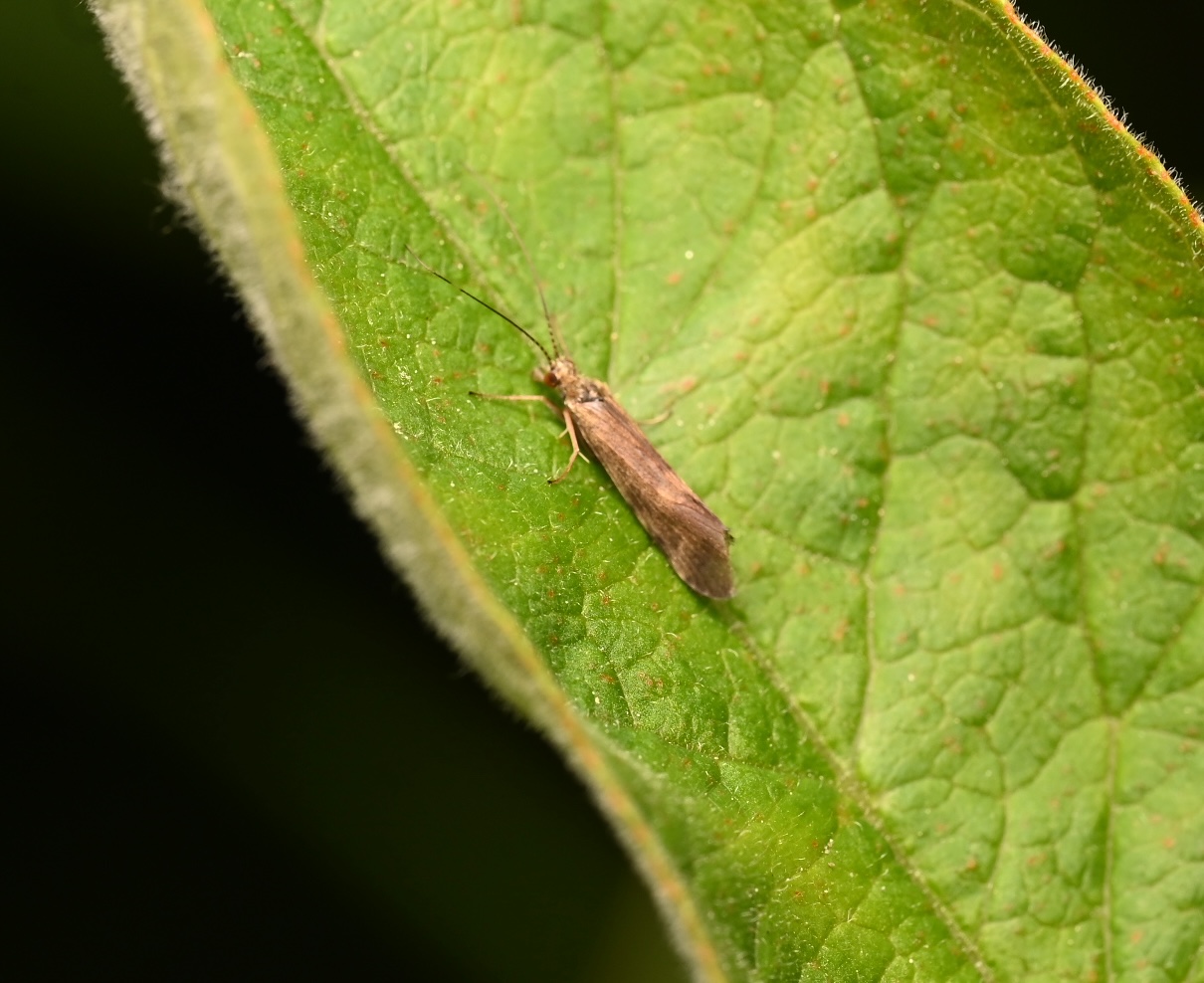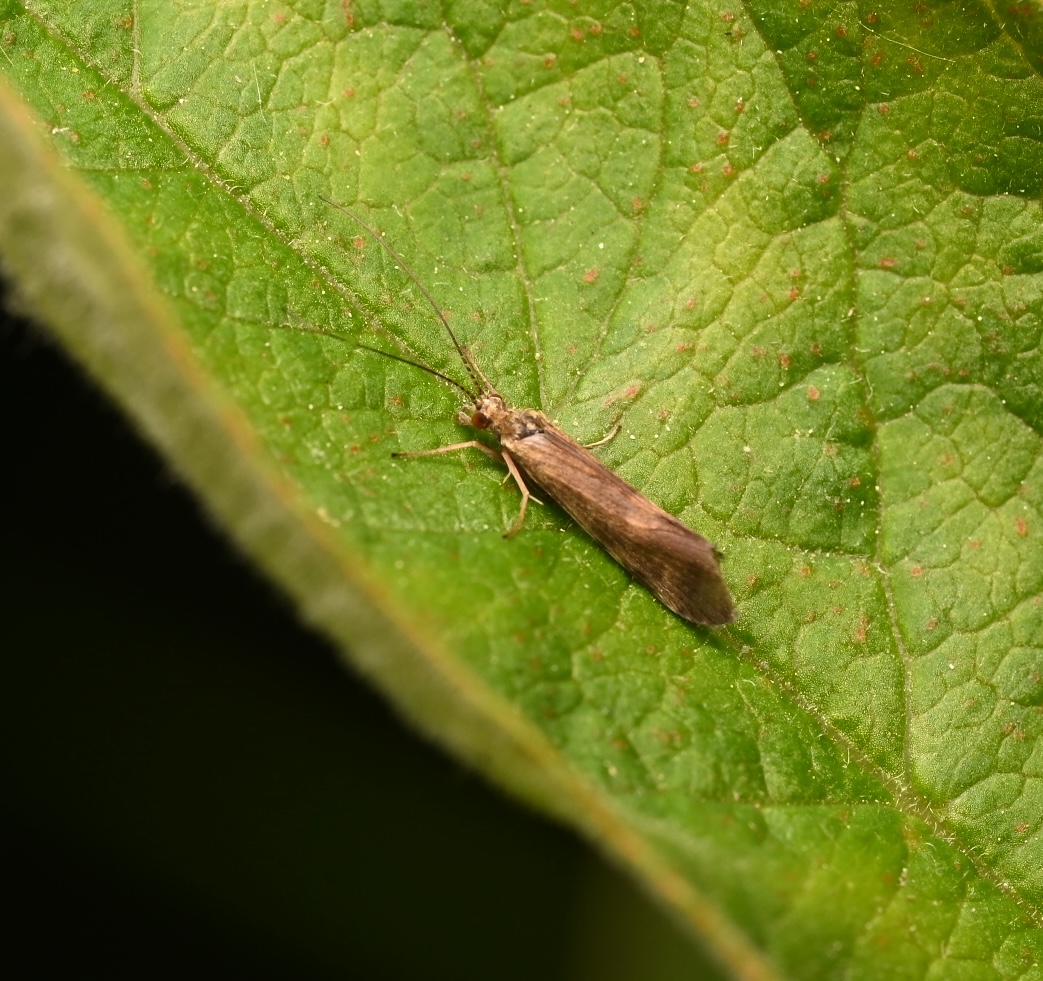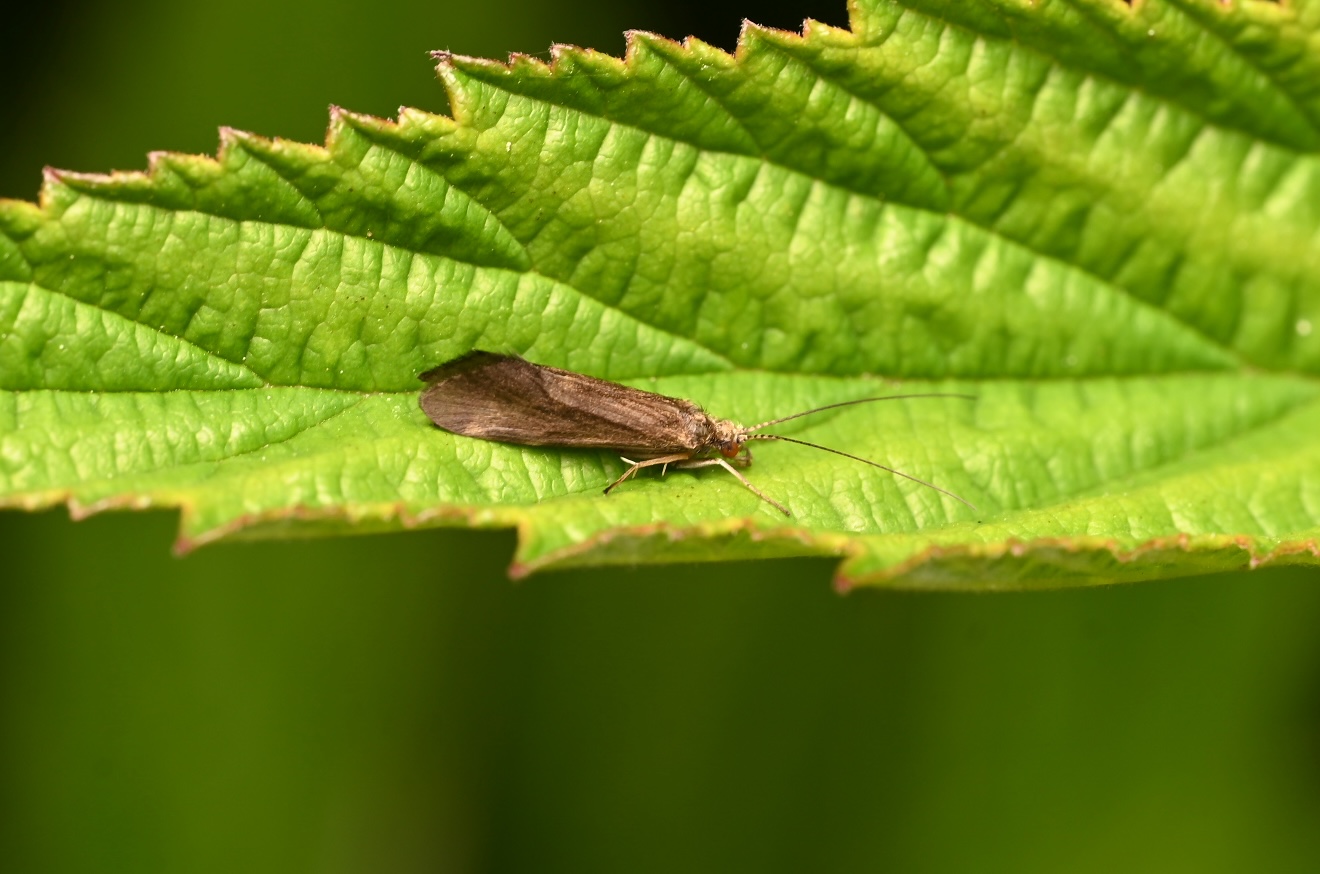
Meet Limnephilus sparsus, a dark brown caddisfly belonging to the family Limnephilidae—a name derived from the Greek for “marsh-loving.” This insect is a true master of environmental resilience, specifically adapted to thrive in temporary pools and brackish wetlands. To survive in the harsh environment, the larvae construct mobile, uniquely curved protective cases out of tiny stones or precisely arranged plant fragments, providing both physical armor and flawless camouflage against predators. Demonstrating remarkable physiological grit, they can even adjust their internal salt levels to tolerate brackish water. Adults emerge in two distinct annual waves separated by a “summer diapause,” a strategic pause in development used to wait out harsh seasonal conditions. As underwater “shredders,” the larvae play a vital role in wetland ecosystems by breaking down decaying organic matter. I crossed paths with this fascinating creature at a riverside campsite in Finland. Initially, I was convinced I was looking at a moth, having encountered countless similarly colored and fluttering moths during my long cycling tour along the Baltic coast. It was a beautiful reminder of how nature loves to reuse successful designs.