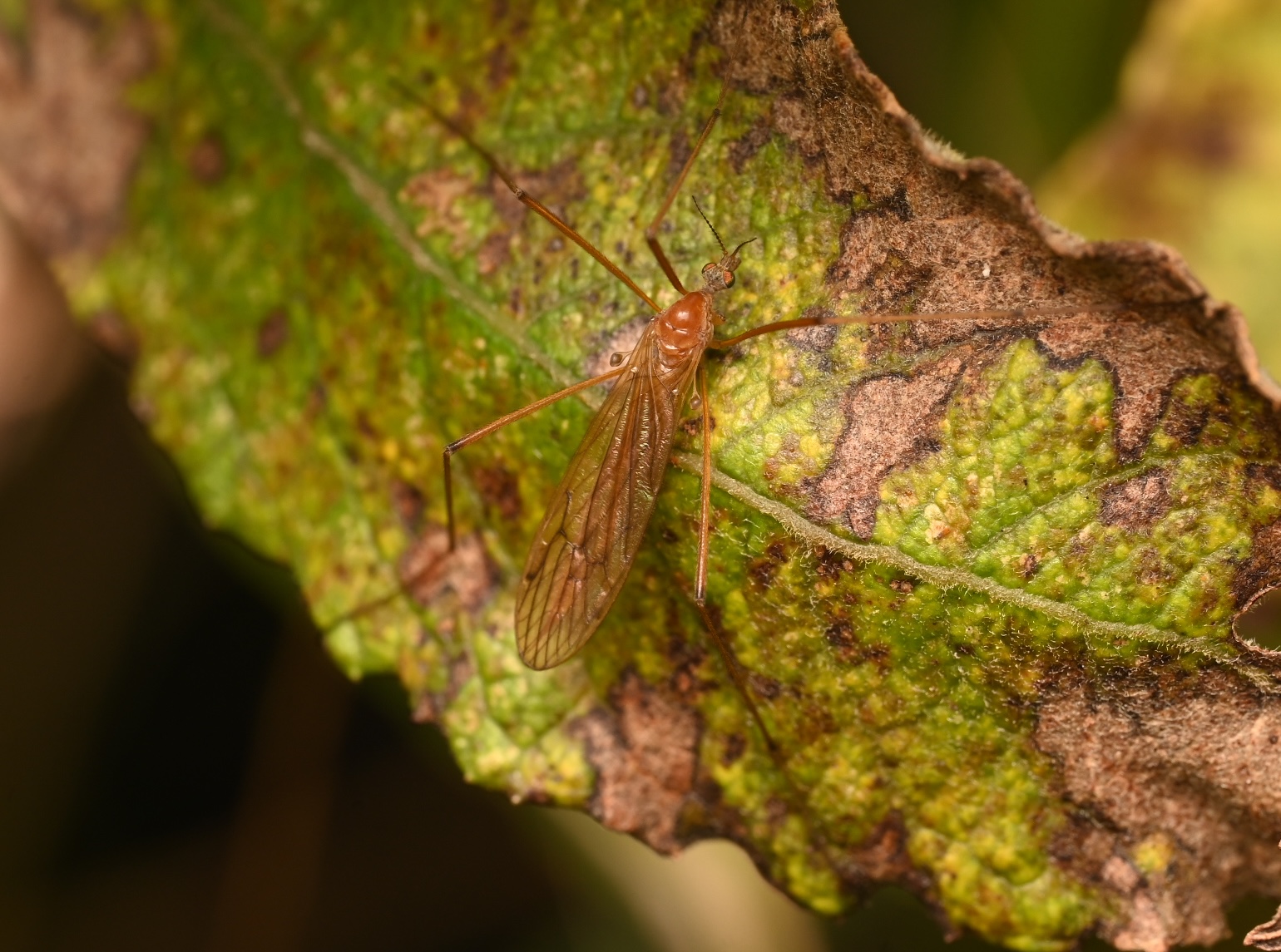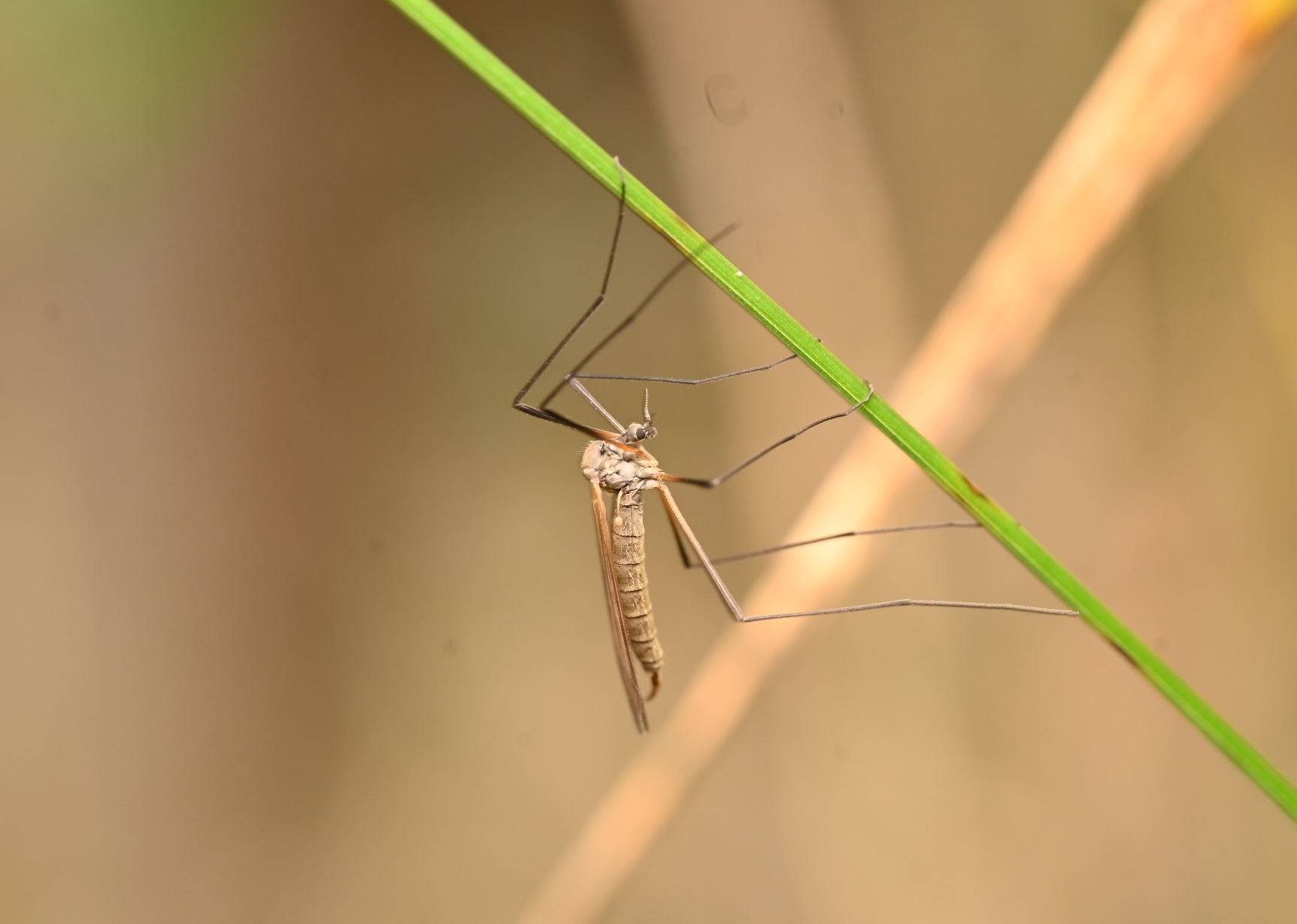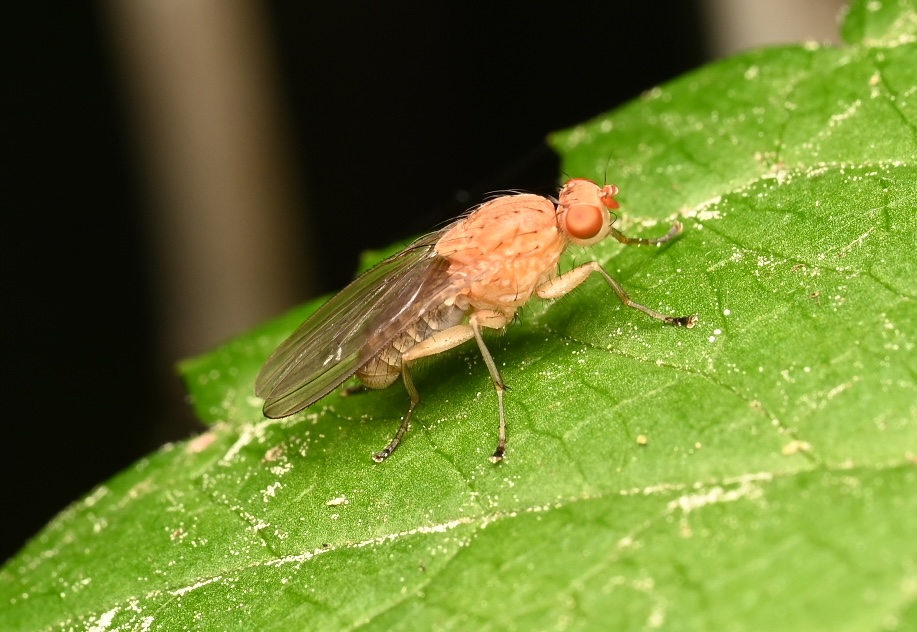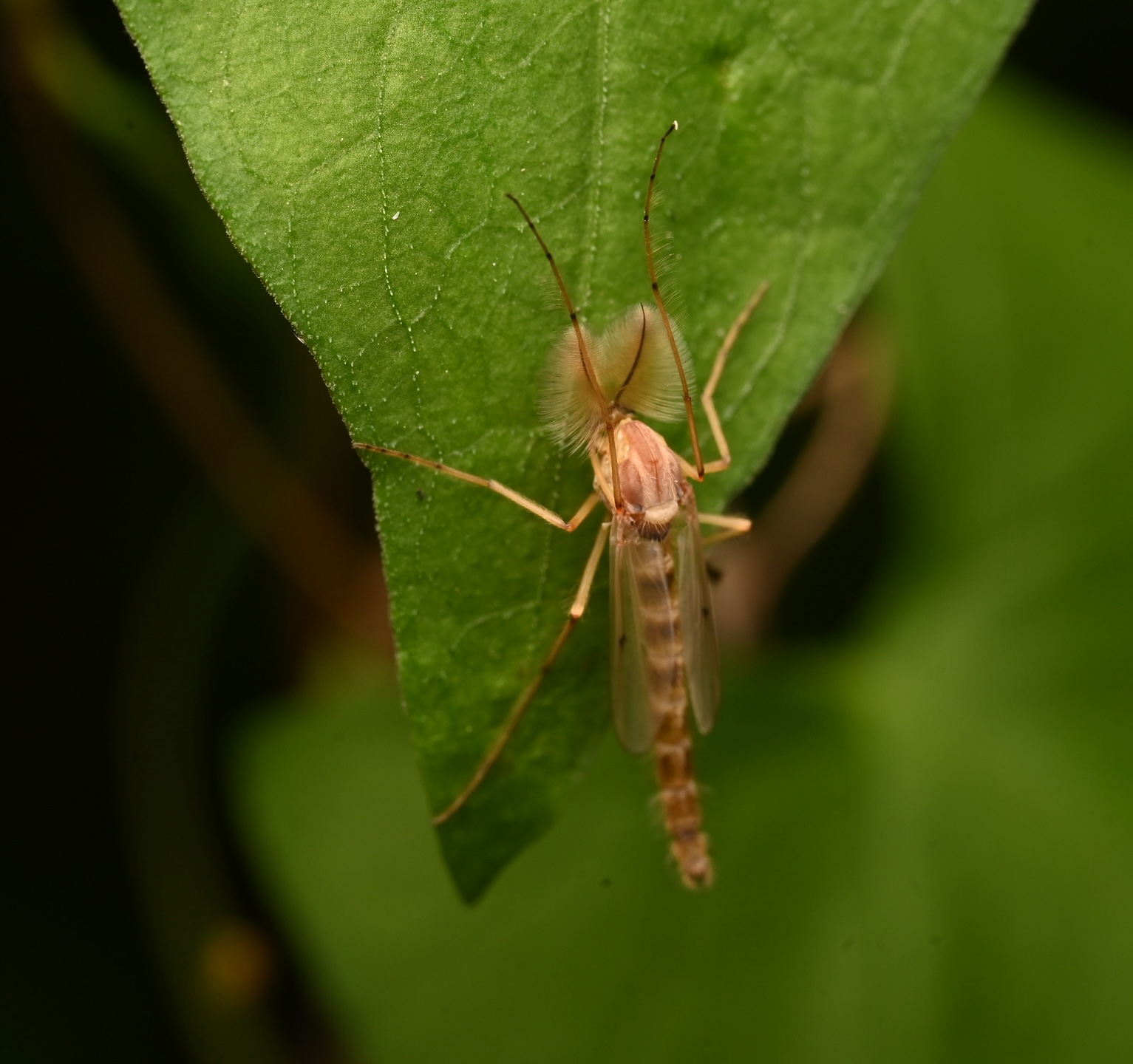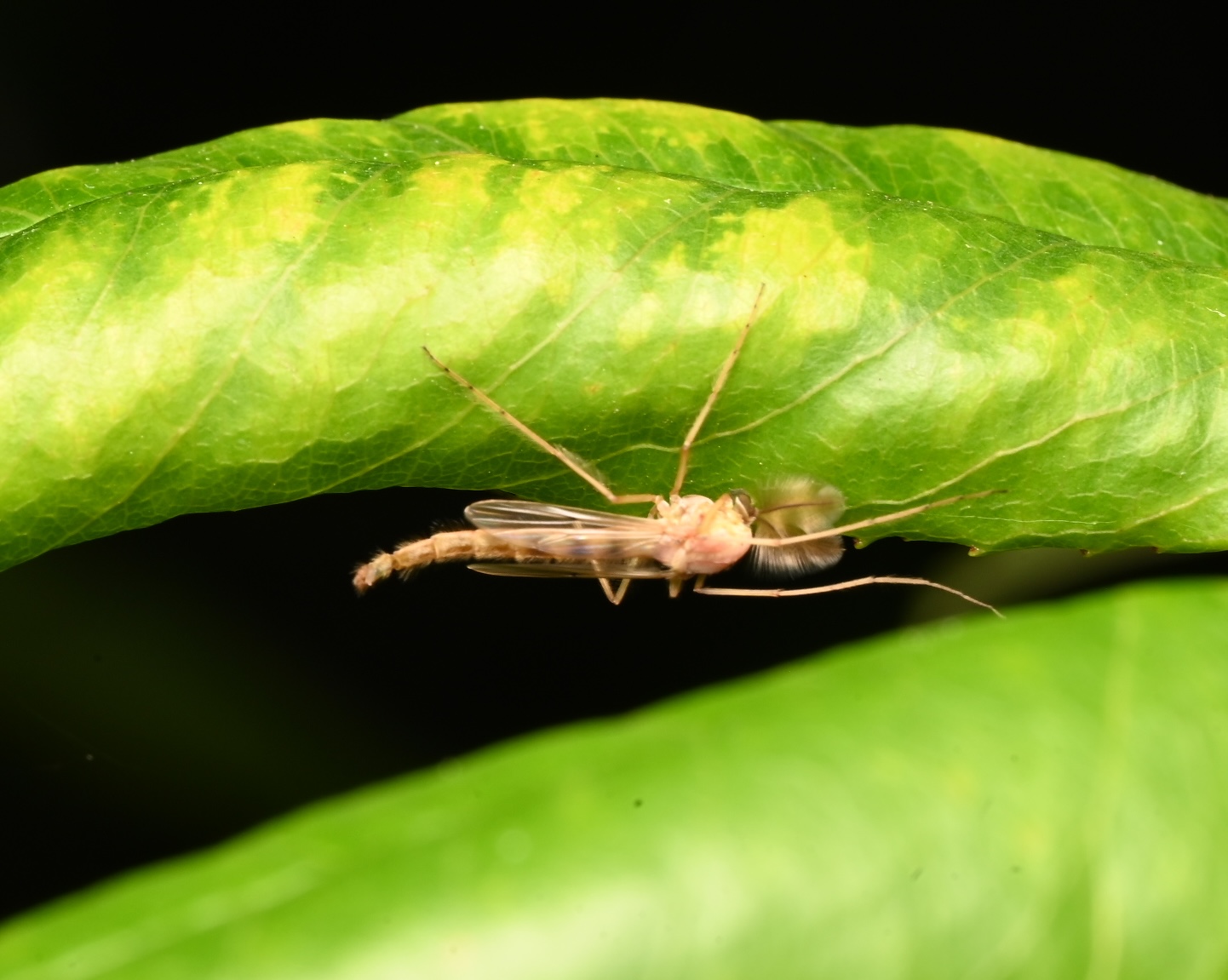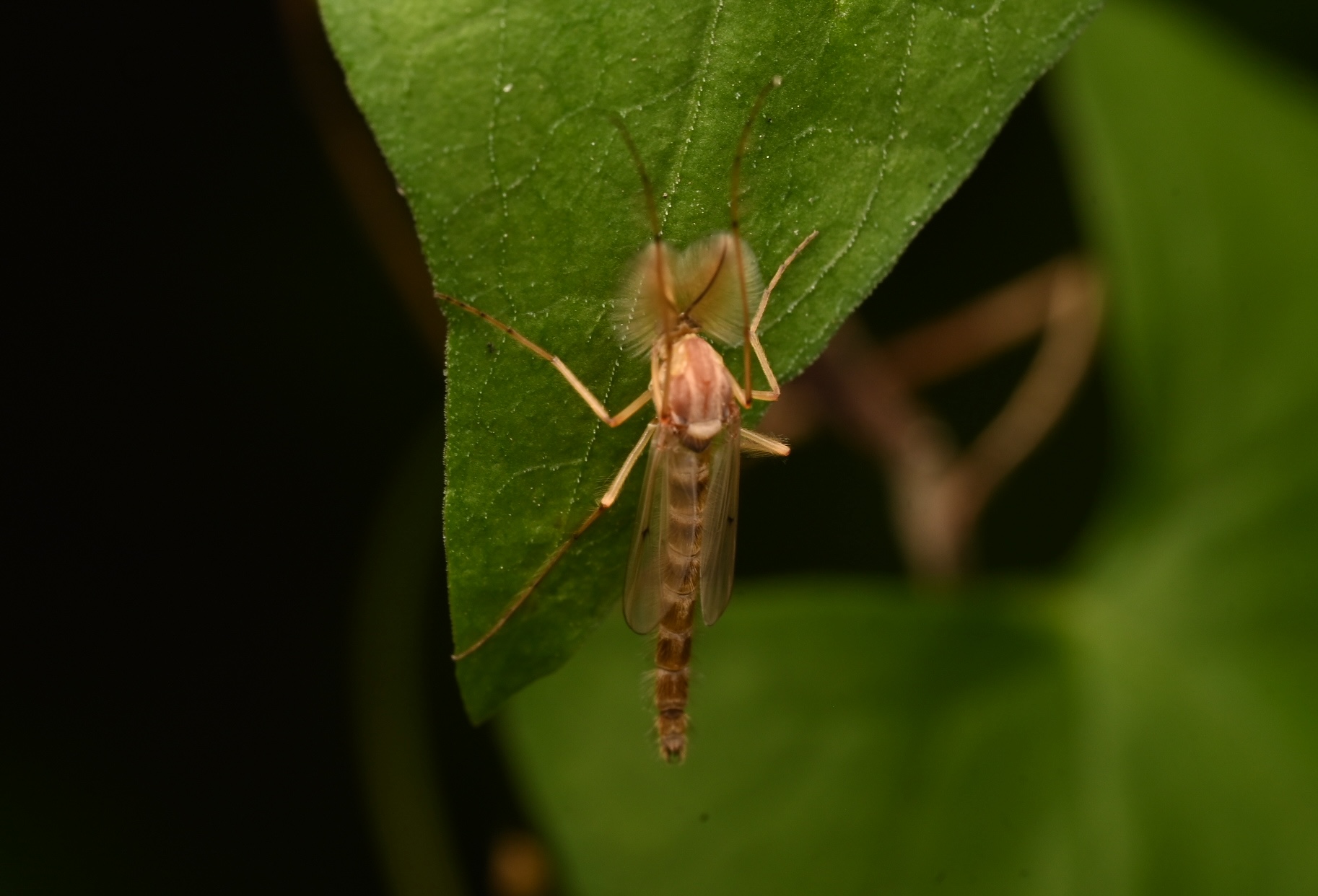
This non-biting midge—likely a buzzer midge (Chironomus plumosus)—was a welcome guest at my country house by a peaceful Polish lake. These insects share an inseparable bond with the water. Throughout the spring and summer, the males gather in spectacular mating swarms—a mesmerizing phenomenon deeply rooted in my childhood memories. After mating, the females deposit gelatinous egg masses onto the water’s surface, which absorb moisture, expand, and gently sink to the lakebed. Down in the sediment, the larvae construct protective silken tubes, feeding quietly on algae and organic debris. Because of their brilliant, crimson hue, these larvae are famously known as “bloodworms.” Once ready to pupate, they drift upward to the surface before emerging into the air as winged adults. As a child, I vividly remember witnessing these massive male swarms clouding the air, briefly catching the light and practically blotting out the sun.