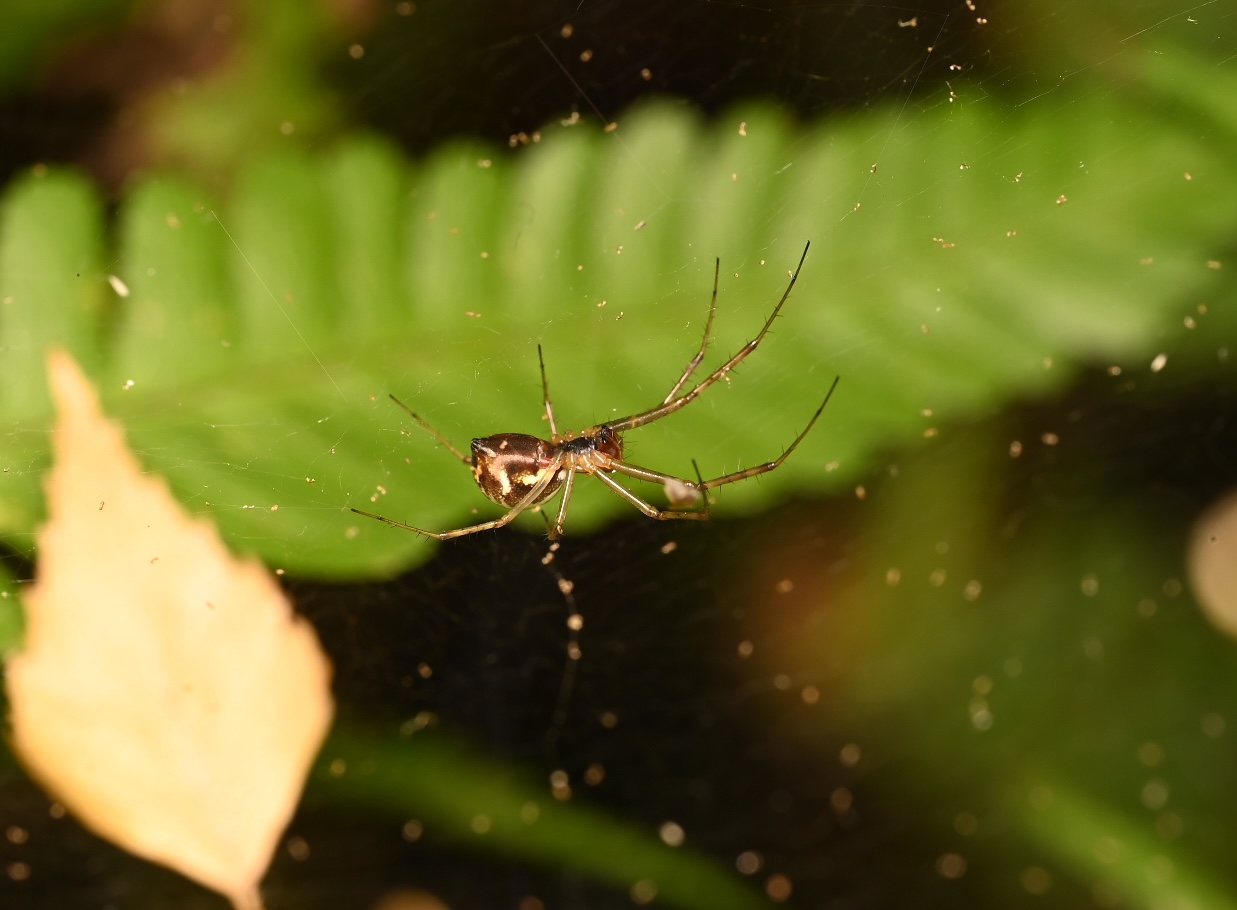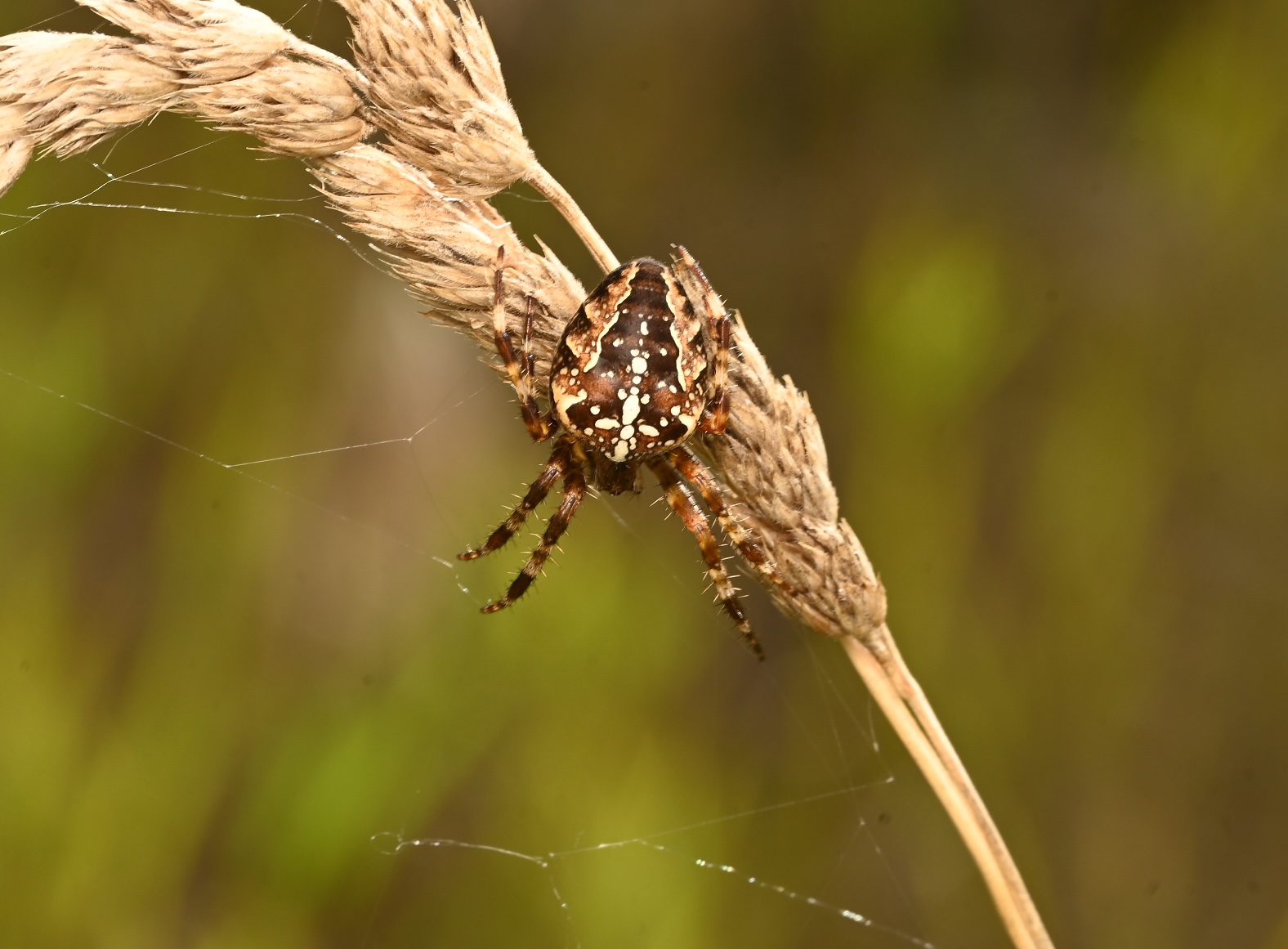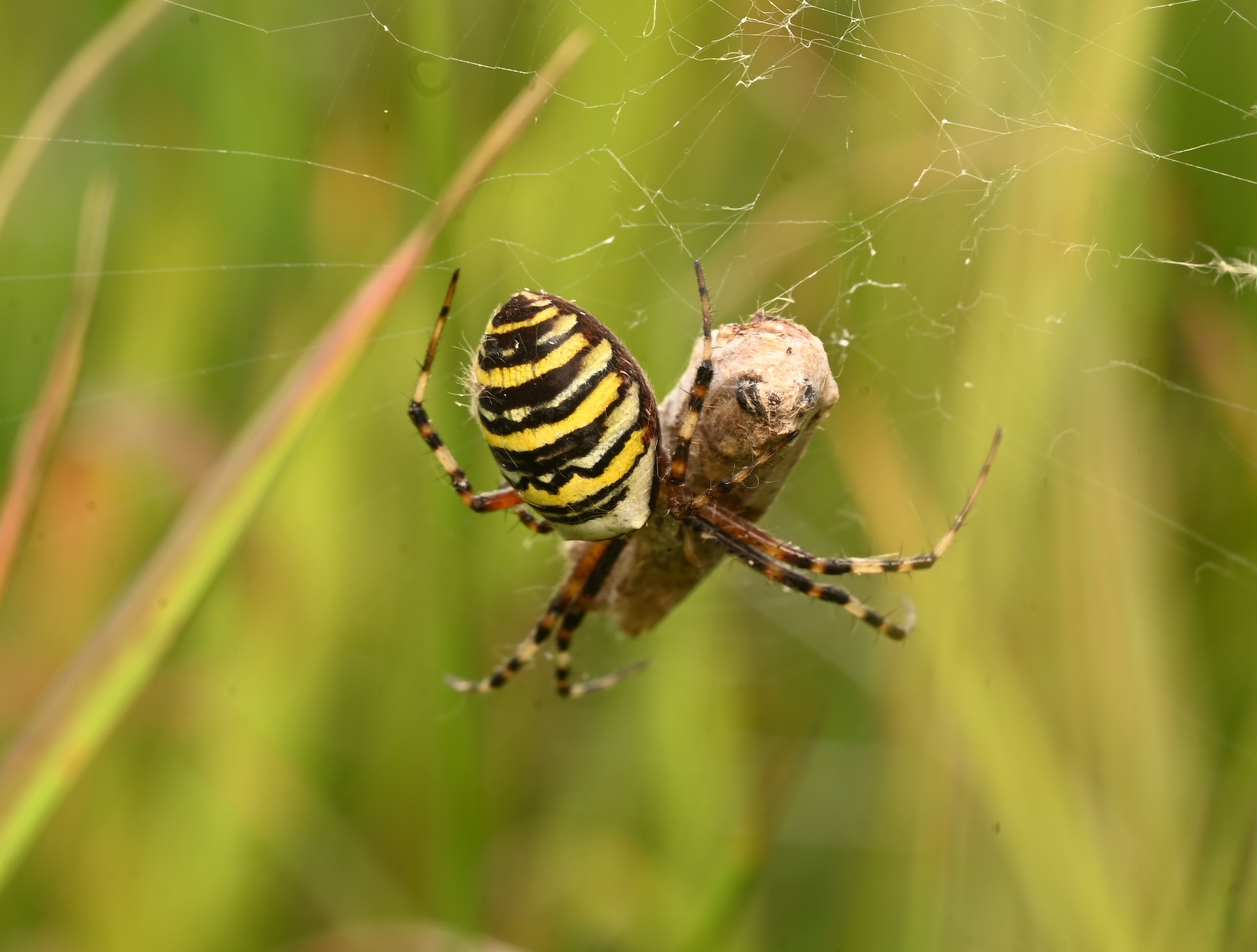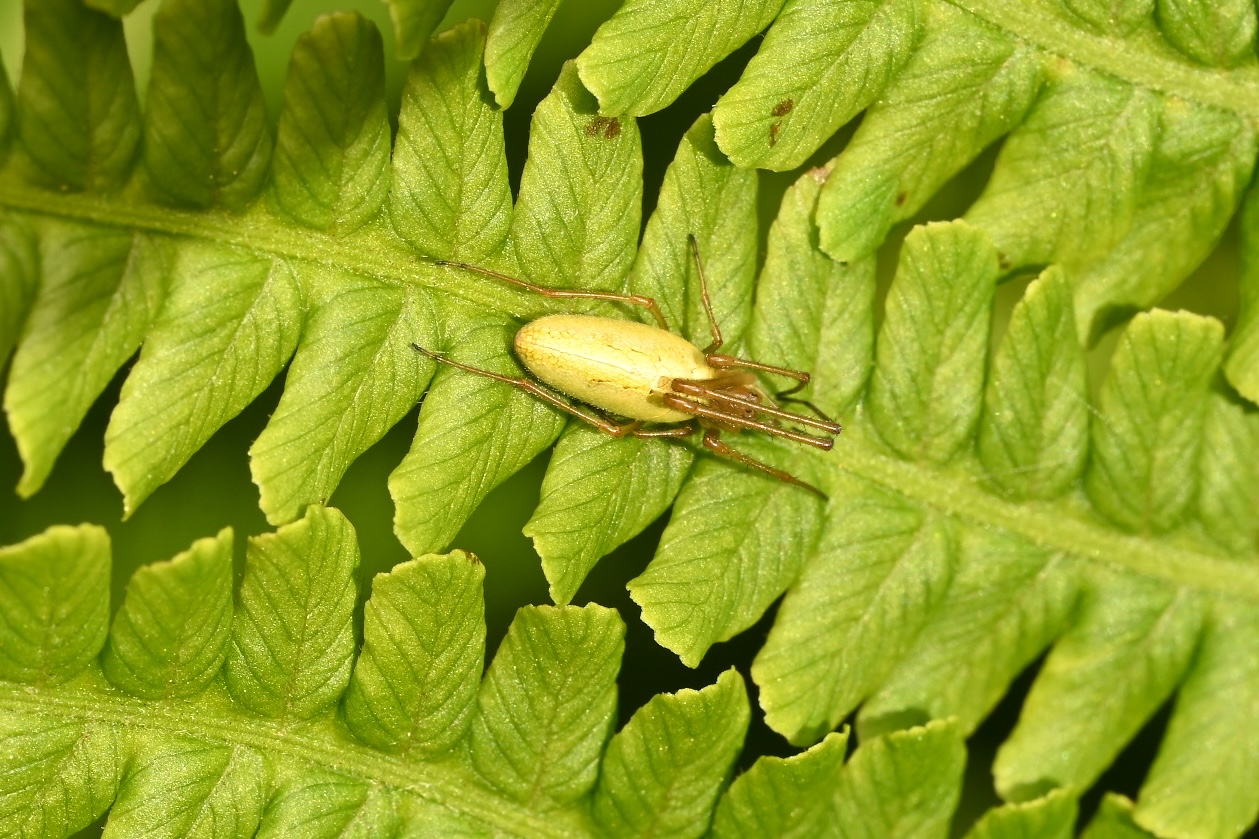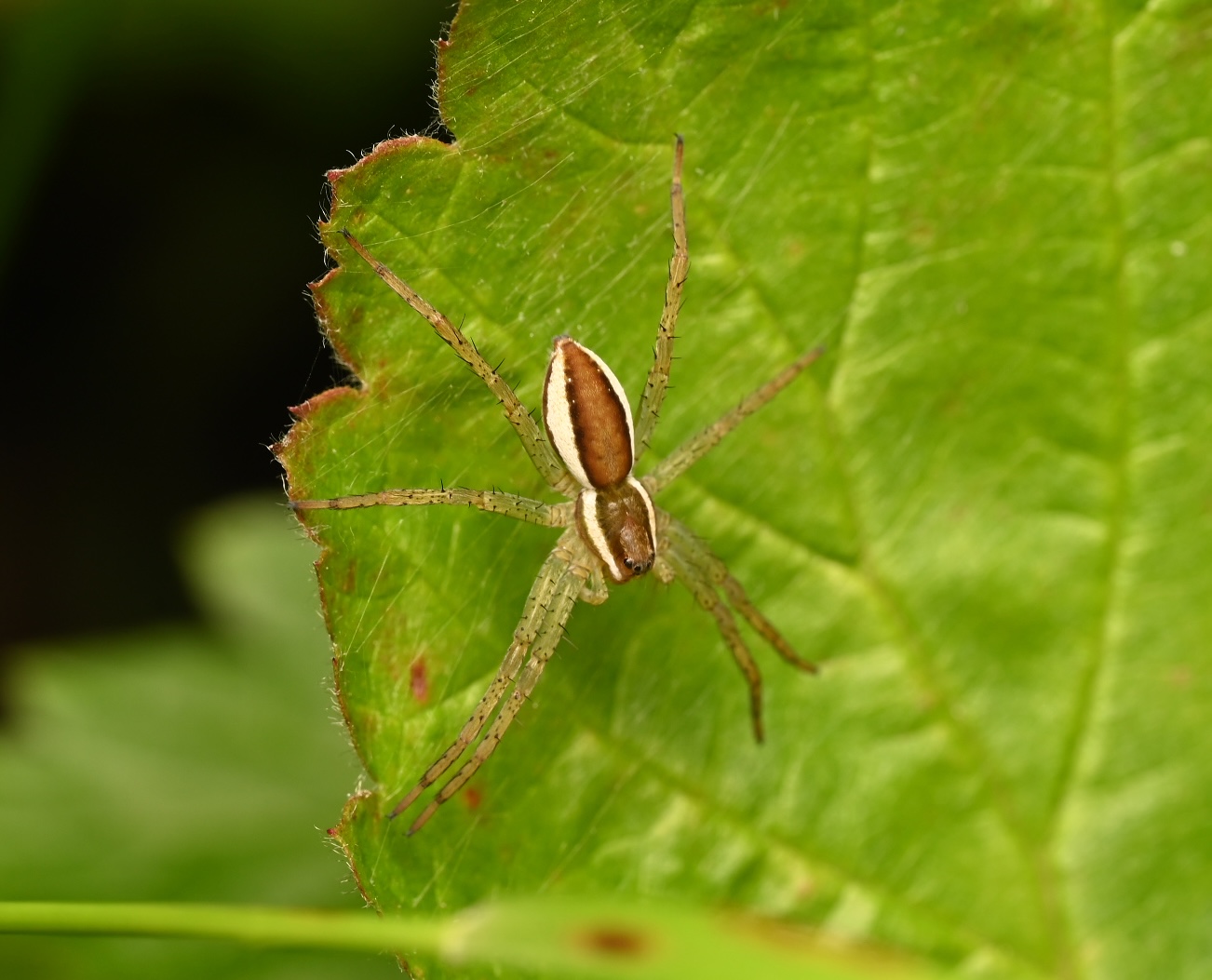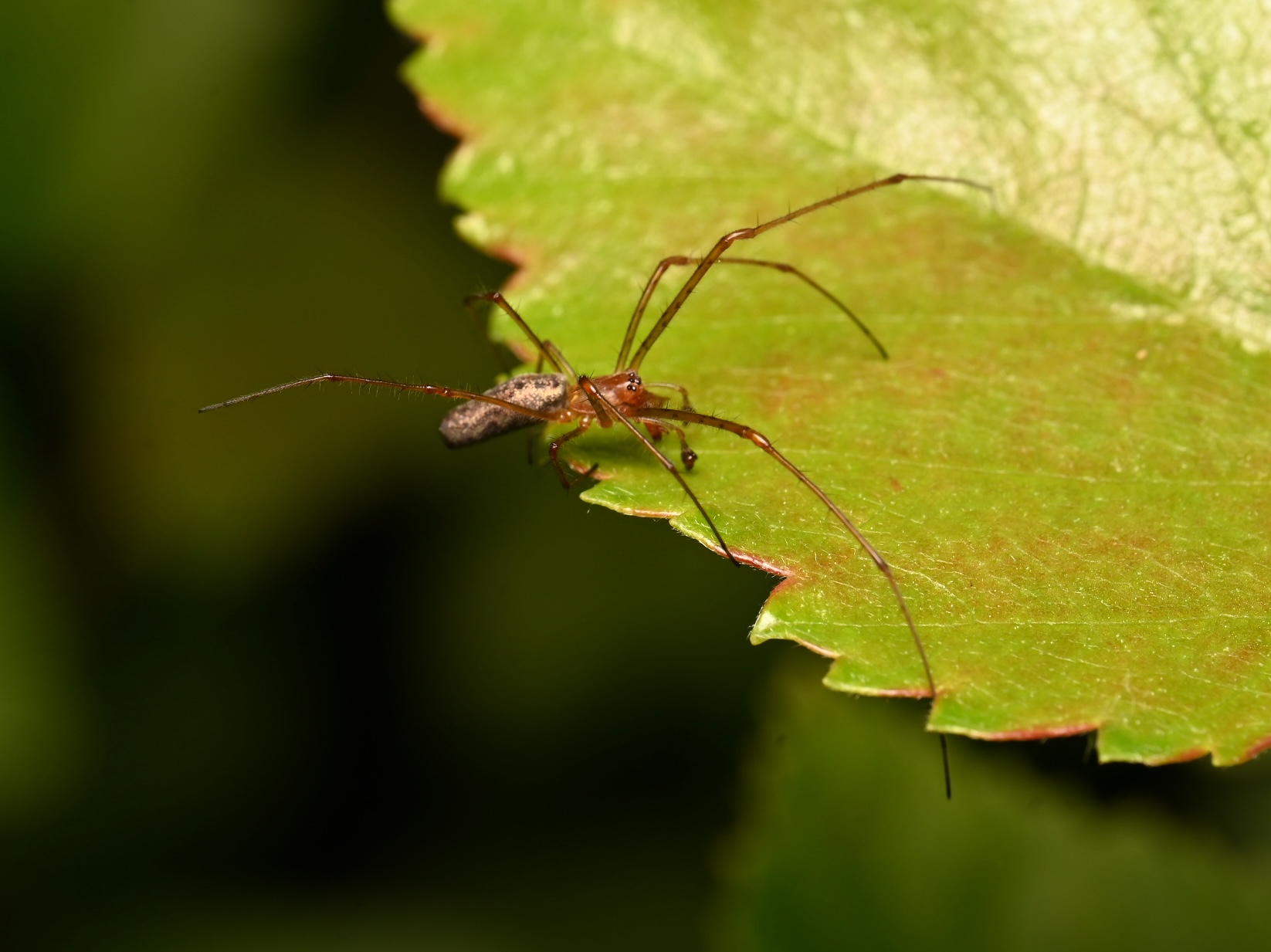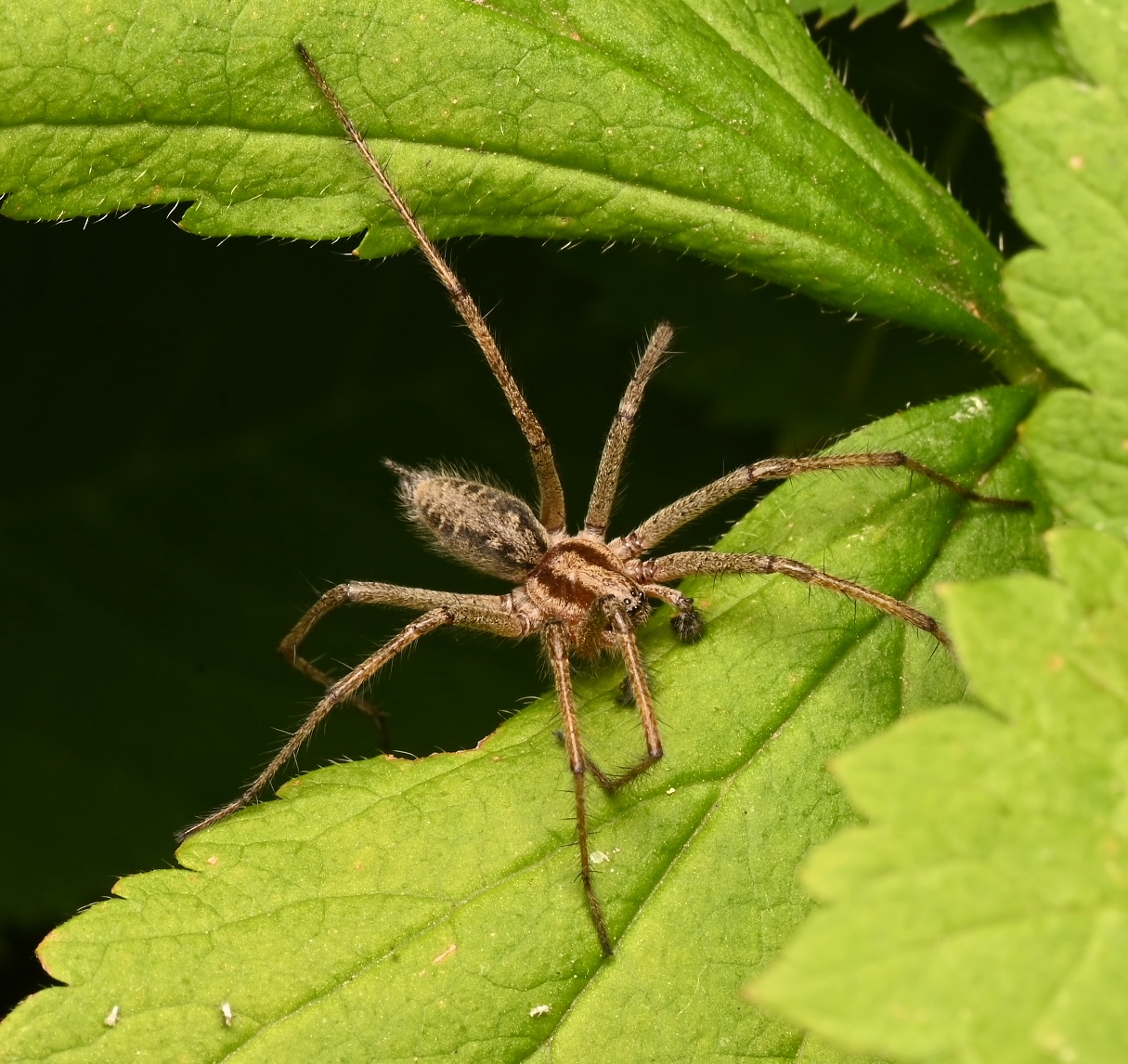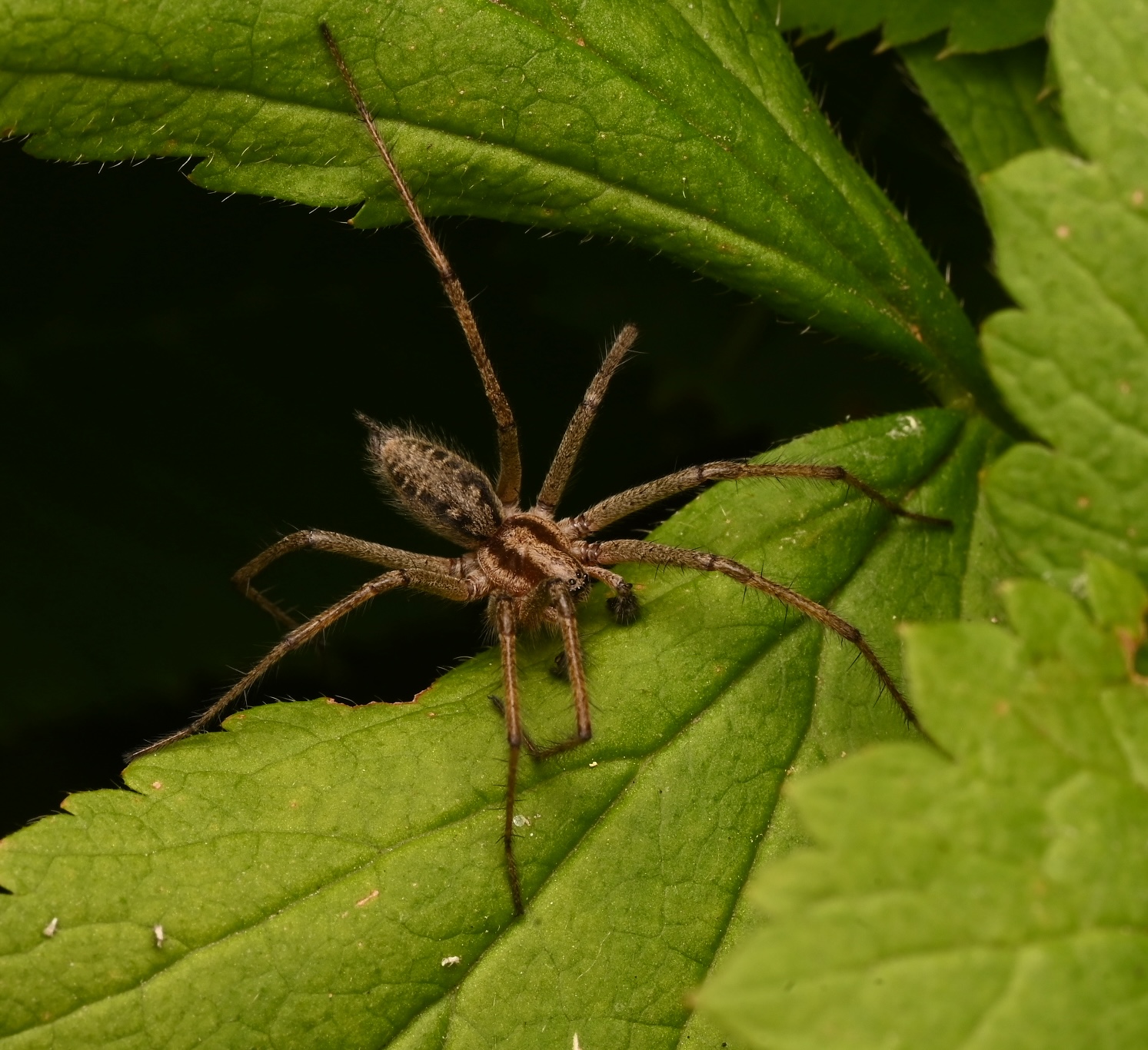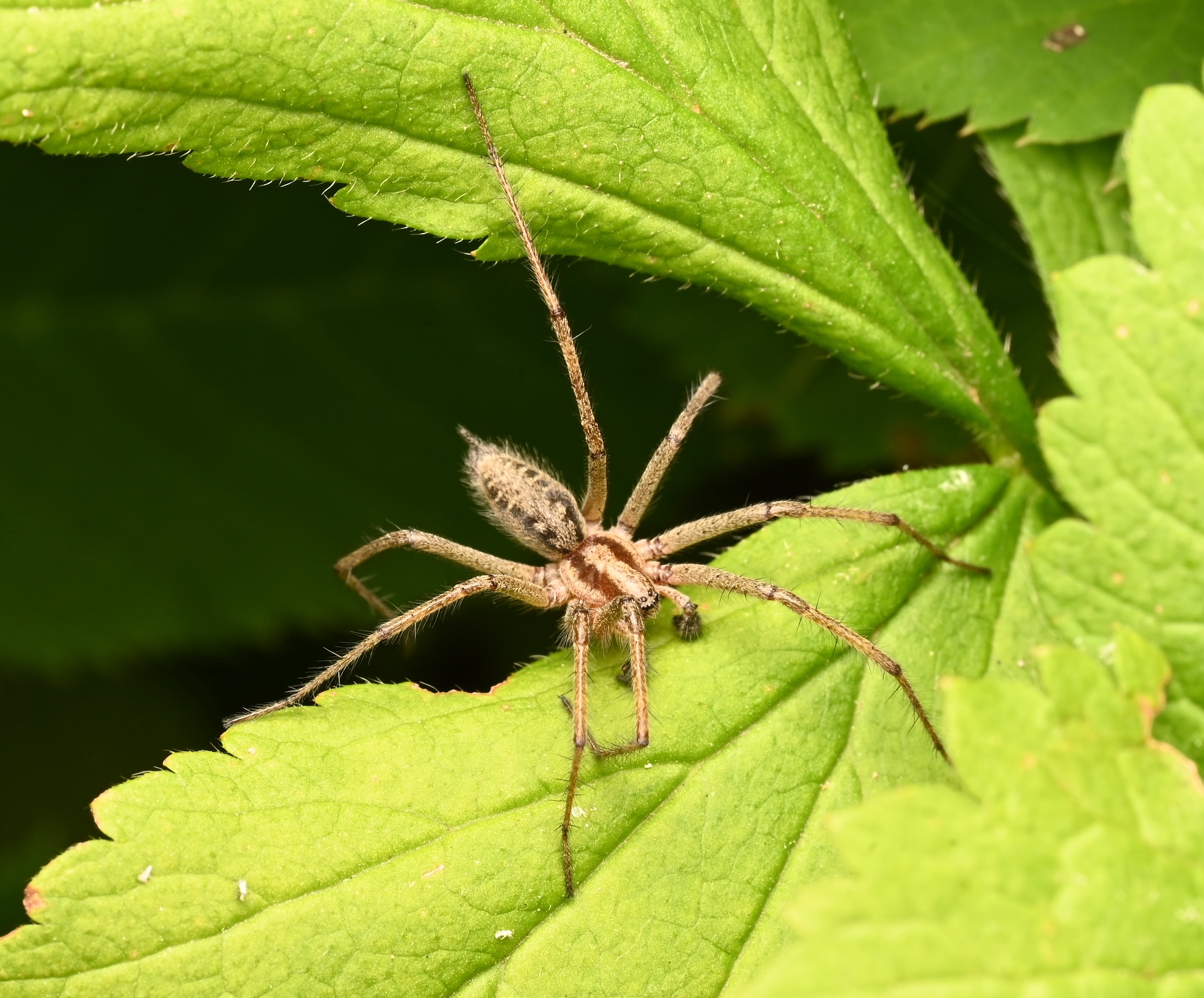
Meet the labyrinth spider (Agelena labyrinthica), a fascinating European arachnid famous for constructing massive, highly visible sheet webs that narrow into dense, labyrinthine tunnels. Built over low bushes or grass, the web features a wide, flat, non-sticky silk sheet that leads back to a thick, tube-shaped funnel where the spider hides. Their silk is so incredibly tough and densely woven that it actually has a place in art history: back in the 16th century, monks in the Austrian Alps would layer these discarded funnel webs together to create tiny, textured canvases for painting religious miniatures! Beyond their craftsmanship, their dedication to motherhood is a beautifully tragic tale. In autumn, the female builds a chambered fortress deep within the dense vegetation at the back of her web to protect her eggs. She then enters a grueling, four-month winter vigil, standing guard over her unborn offspring without ever leaving to feed. She ultimately dies of starvation, but her body remains in place, acting as a final, physical shield against predators until her spiderlings emerge in the spring. I crossed paths with this handsome spider in the garden of my family house in Serock, Poland, catching it while it was briefly exploring outside its labyrinth.