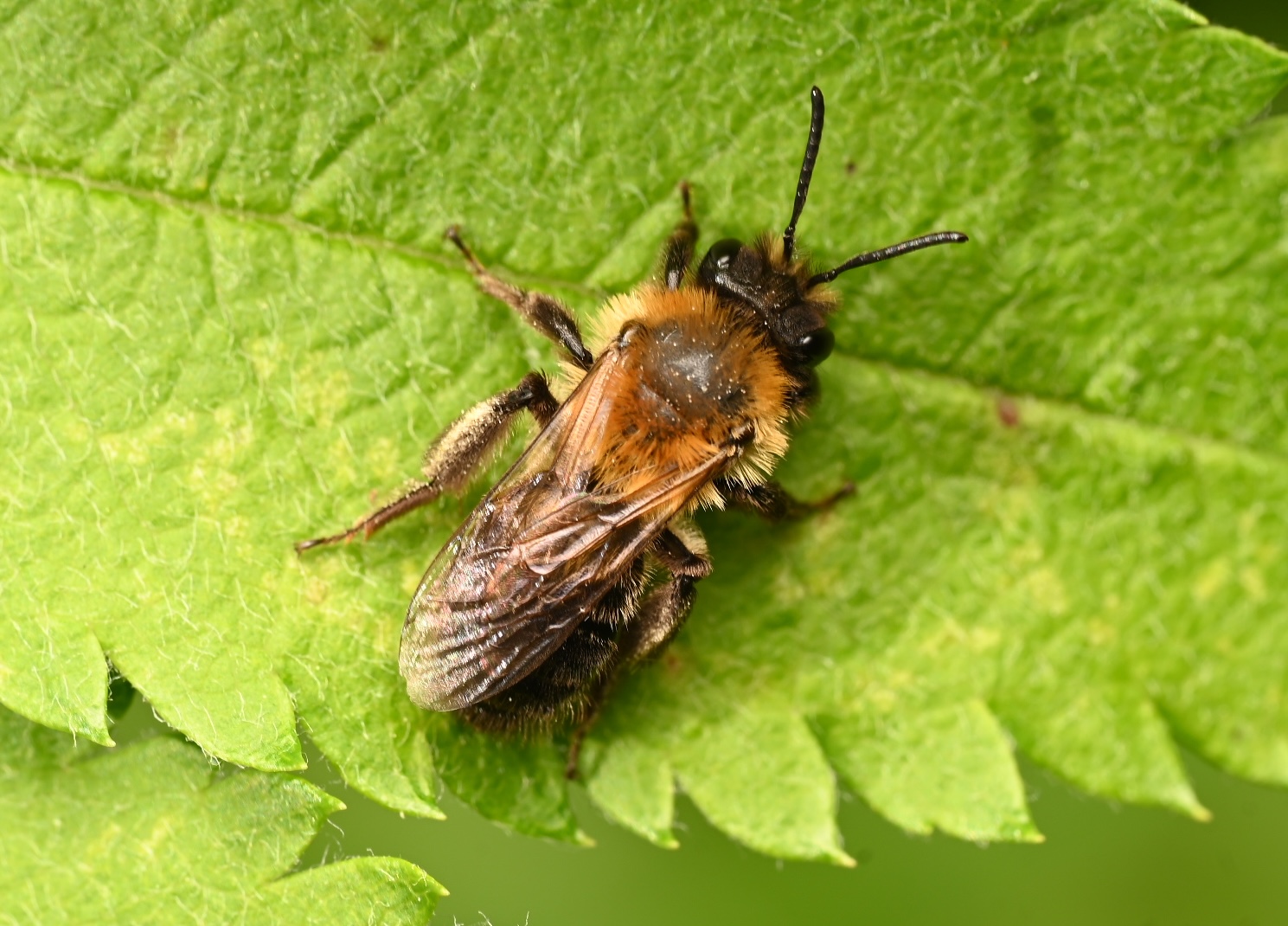
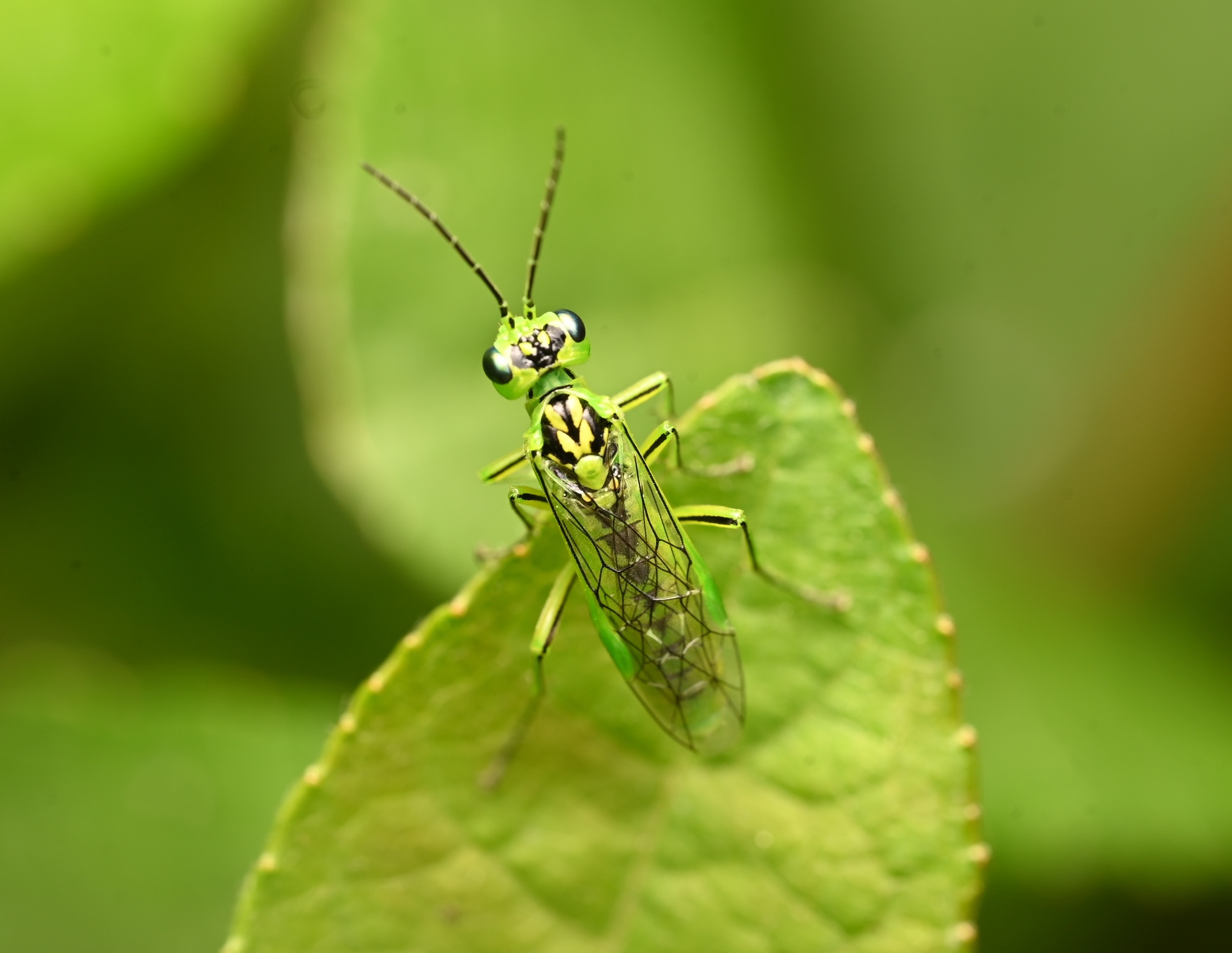
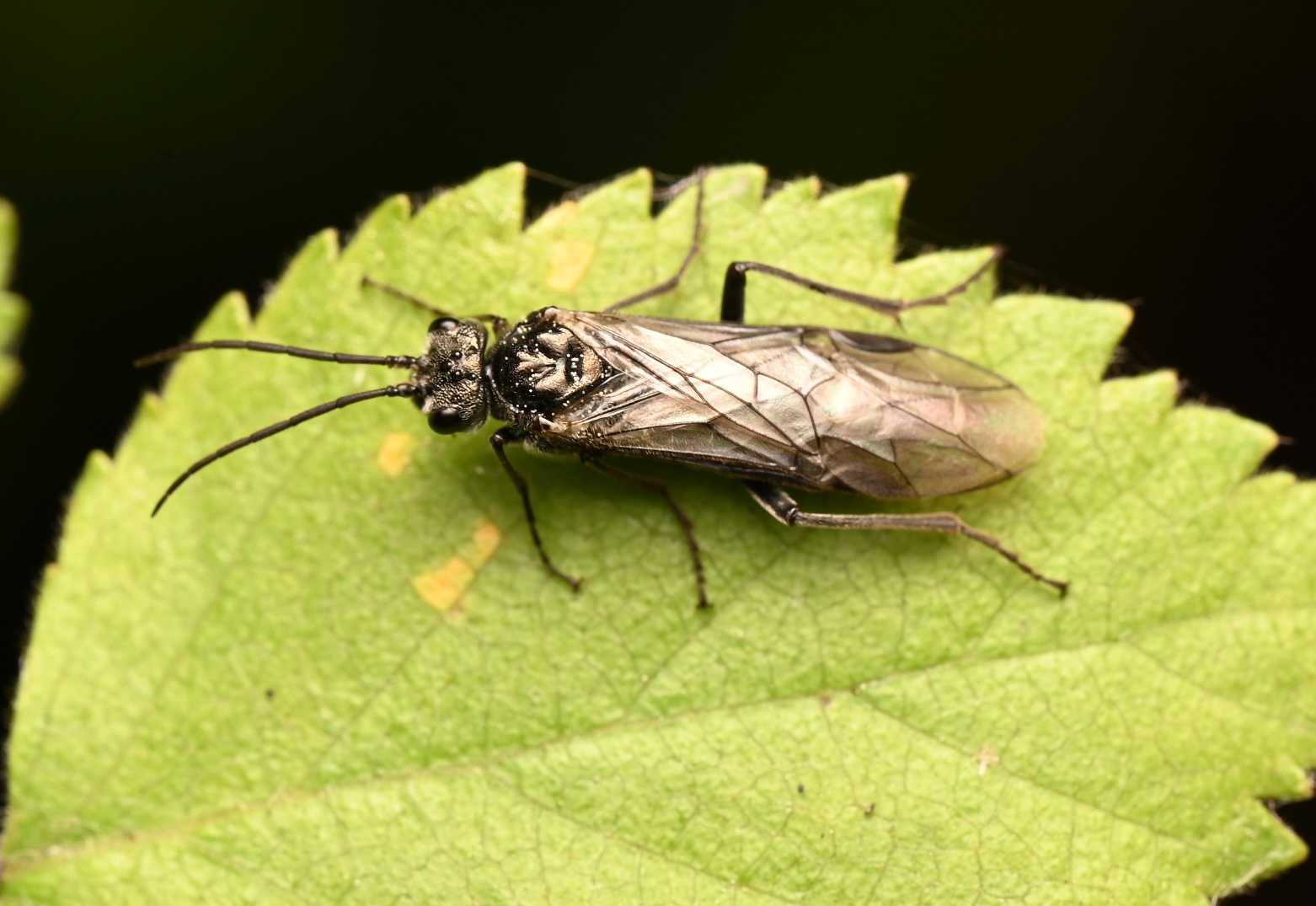
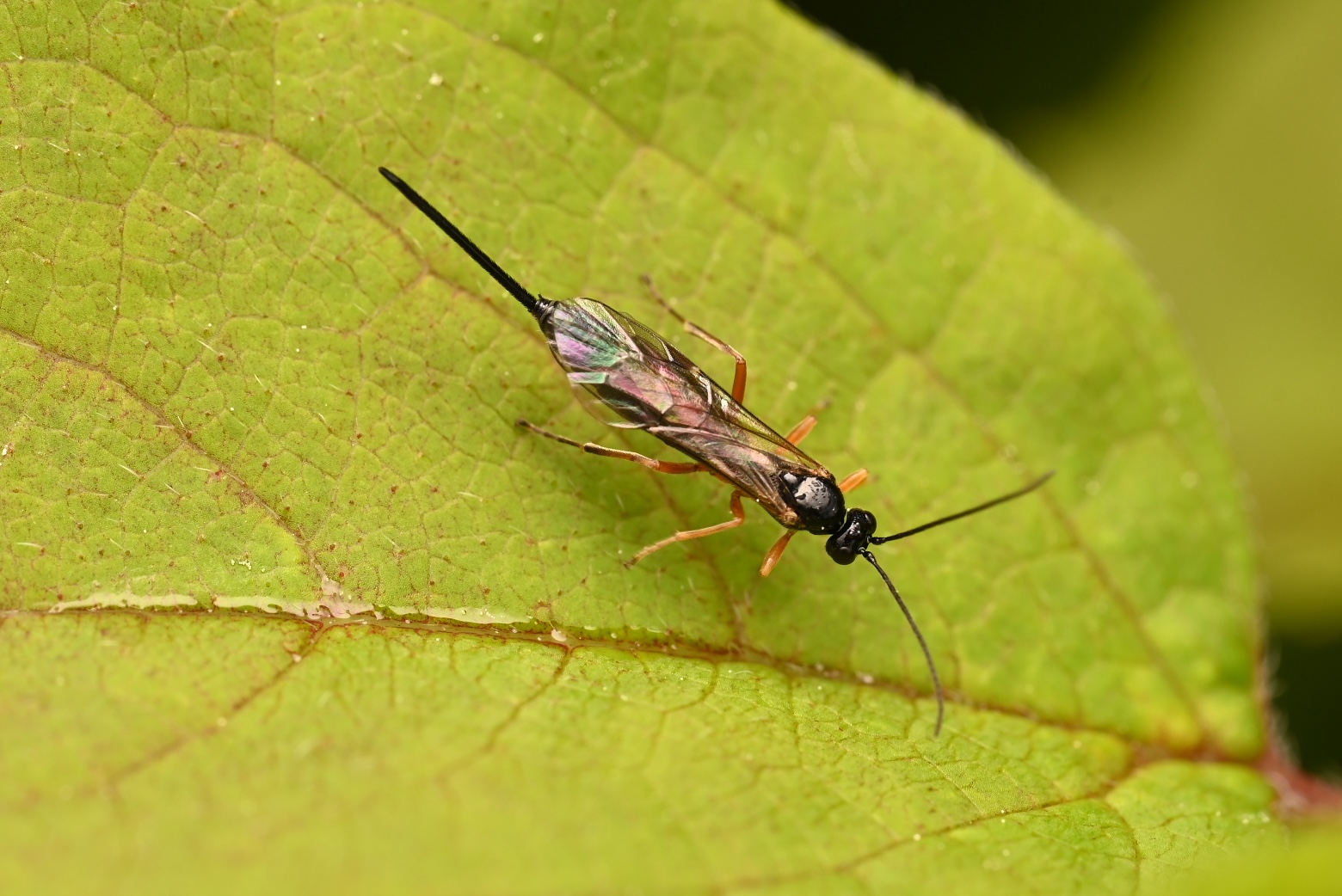
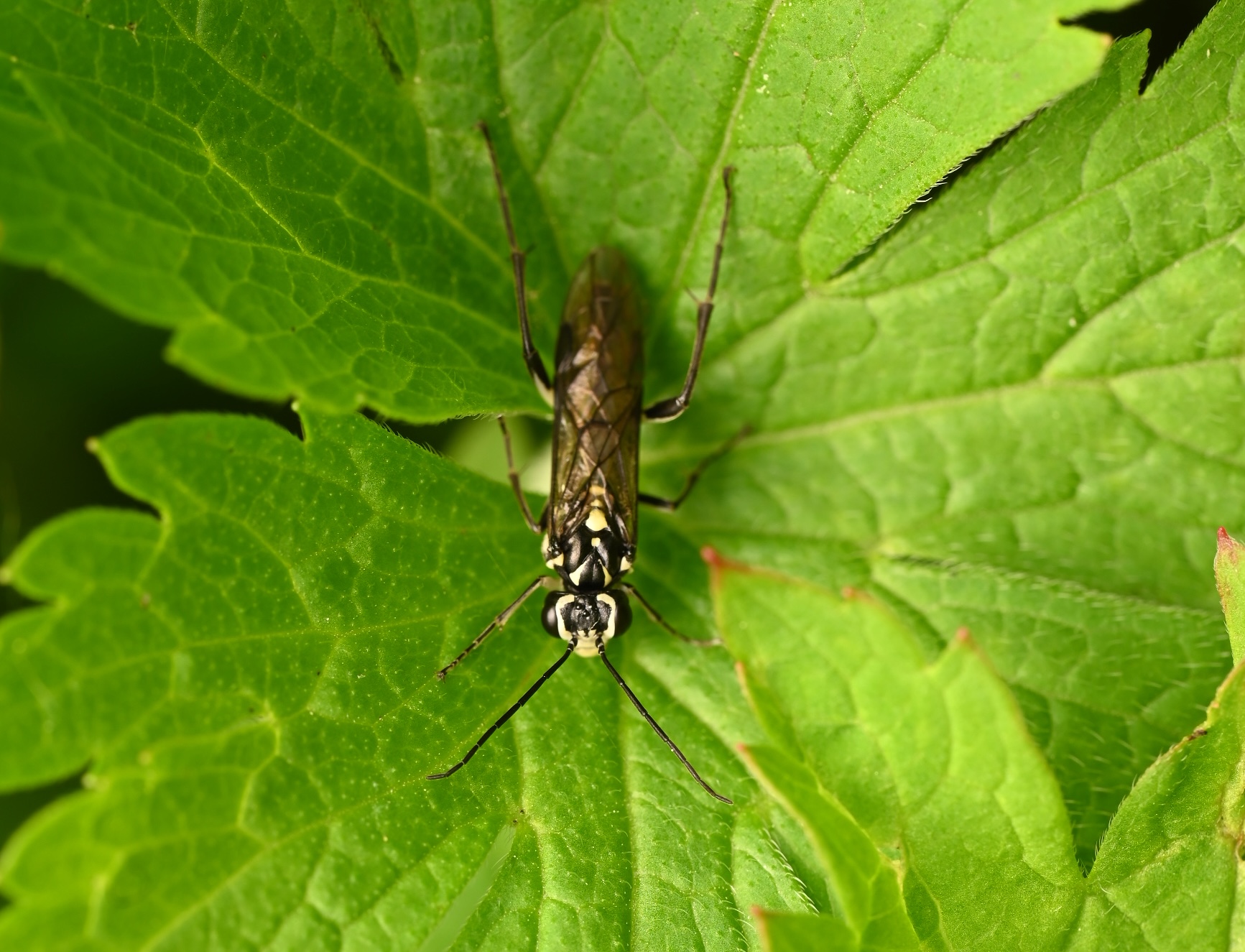
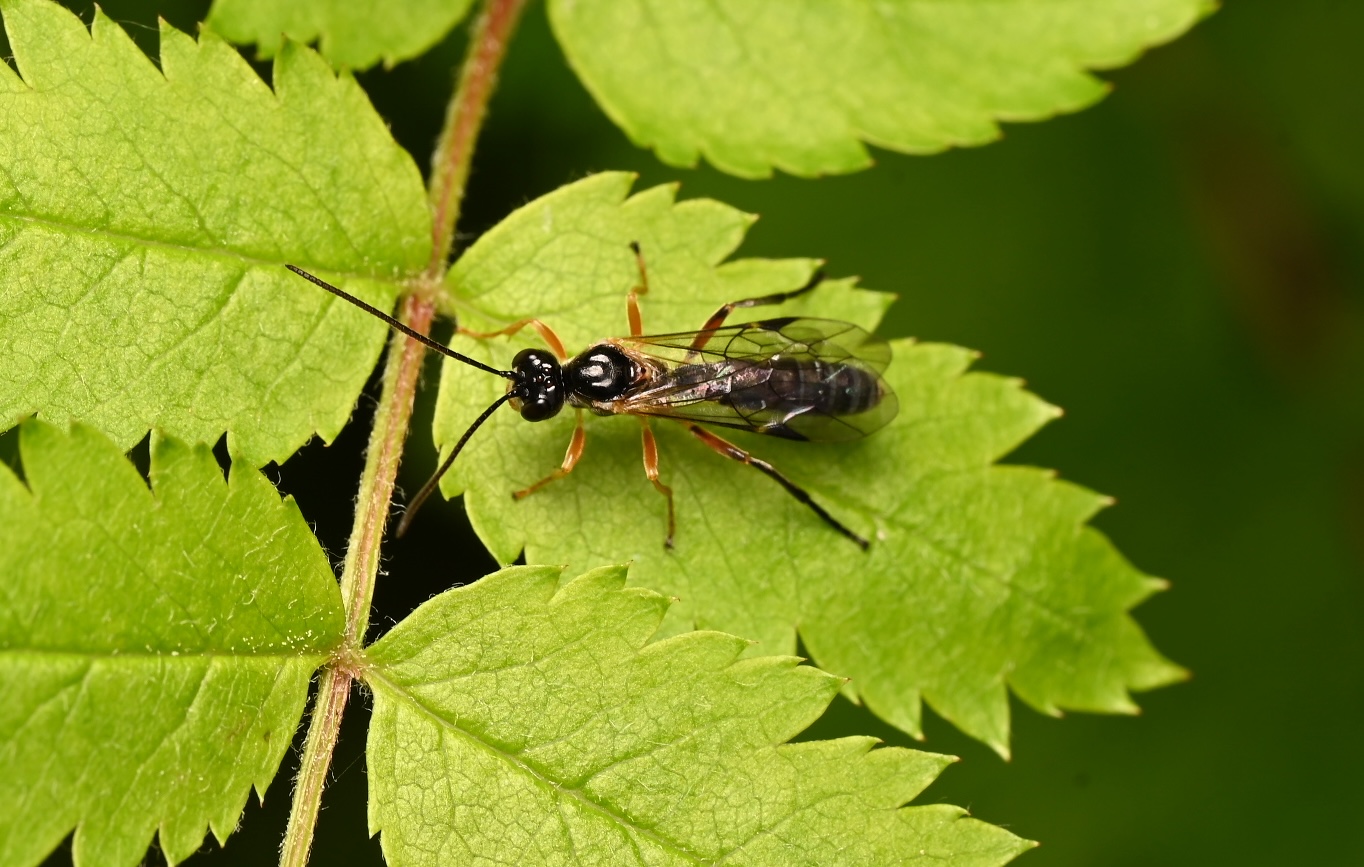
Meet the four-spotted cave ichneumon (Diphyus quadripunctorius), a widespread European parasitic wasp with a double life and a highly dramatic survival strategy. During the warm spring and summer months, these elegant wasps drift peacefully through meadows and forest edges, feeding on pollen and sweet flower nectar. But as the autumn chill sets in, their behavior shifts dramatically. The males perish, leaving only the fertilized females to seek shelter. They gather in caves, dark mine tunnels, and damp rock cellars, huddling together in massive, silent clusters to hibernate through the winter. When spring arrives, their parenting cycle begins—and it is a masterclass in biological horror. The females inject a single egg directly into living, active caterpillars. The host continues to live, eat, and grow, eventually spinning its cocoon and turning into a pupa. Only then does the hatched wasp larva slowly consume the host from the inside out, ultimately chewing its way out of the pupa as a fully formed adult. I crossed paths with one of these striking wasps during my bicycle tour through Sweden, catching it resting in the beautiful garden of a farmhouse where I camped for the night.