Disarming the mustard bomb: The global journey of the diamondback moth

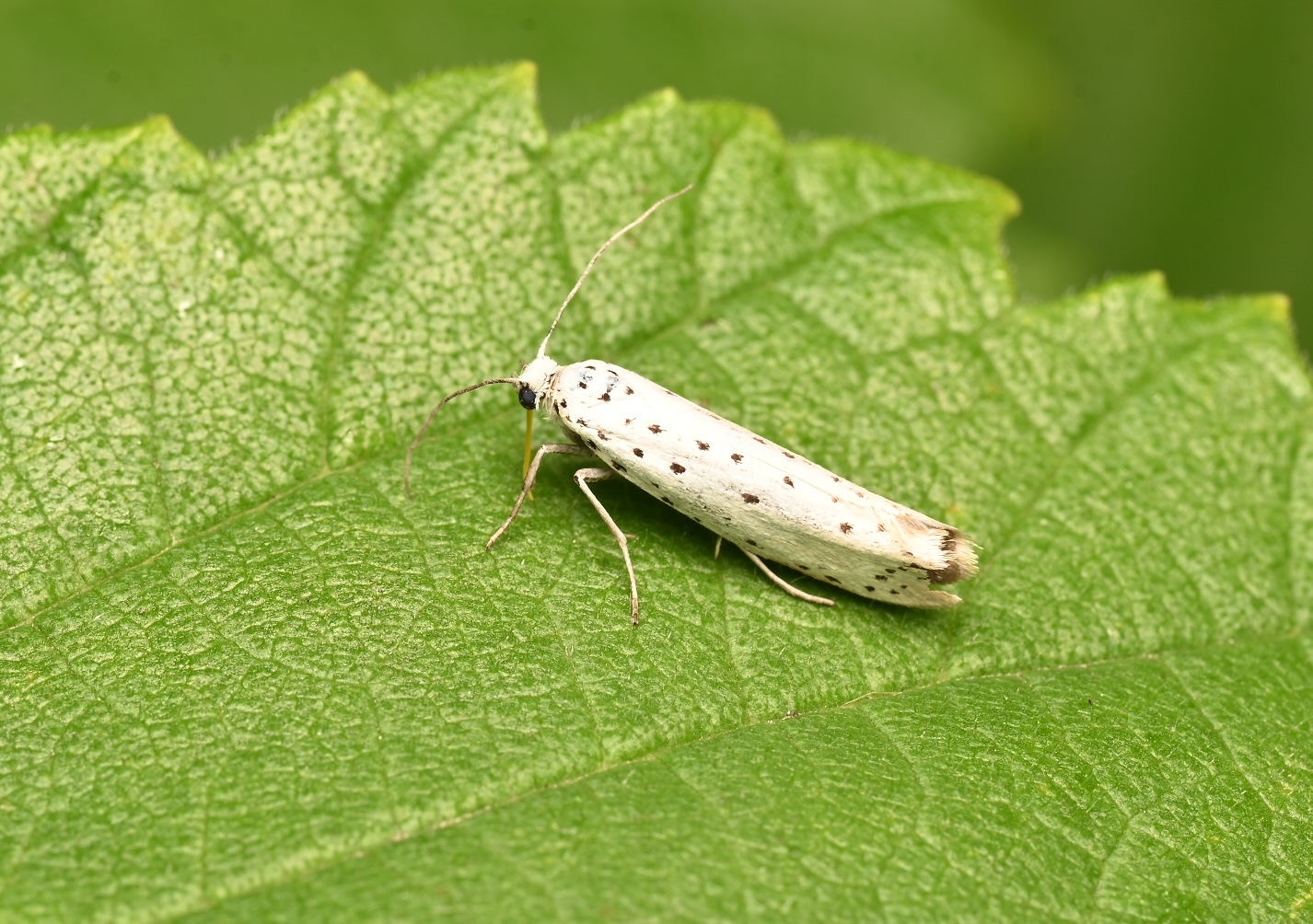
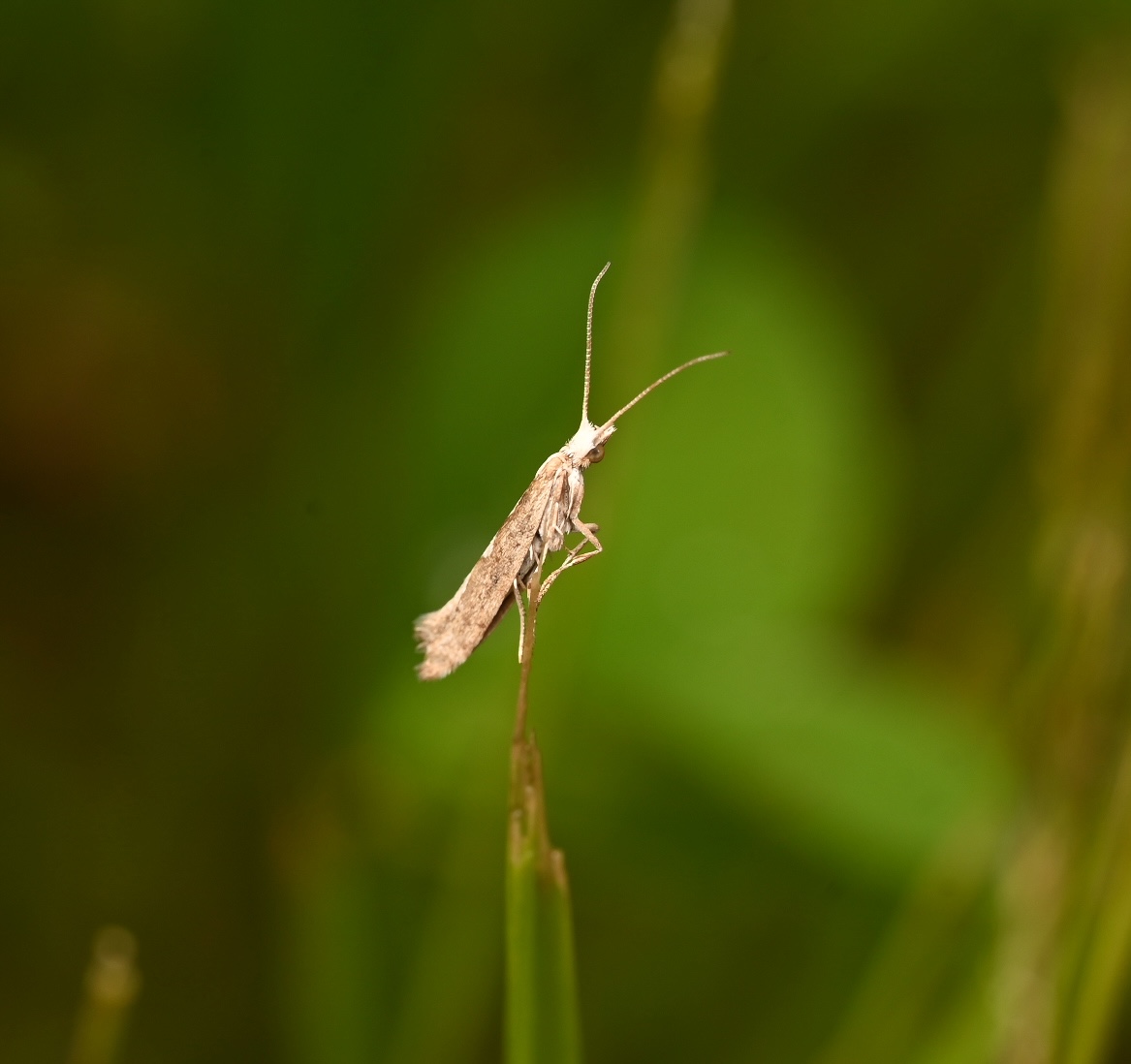
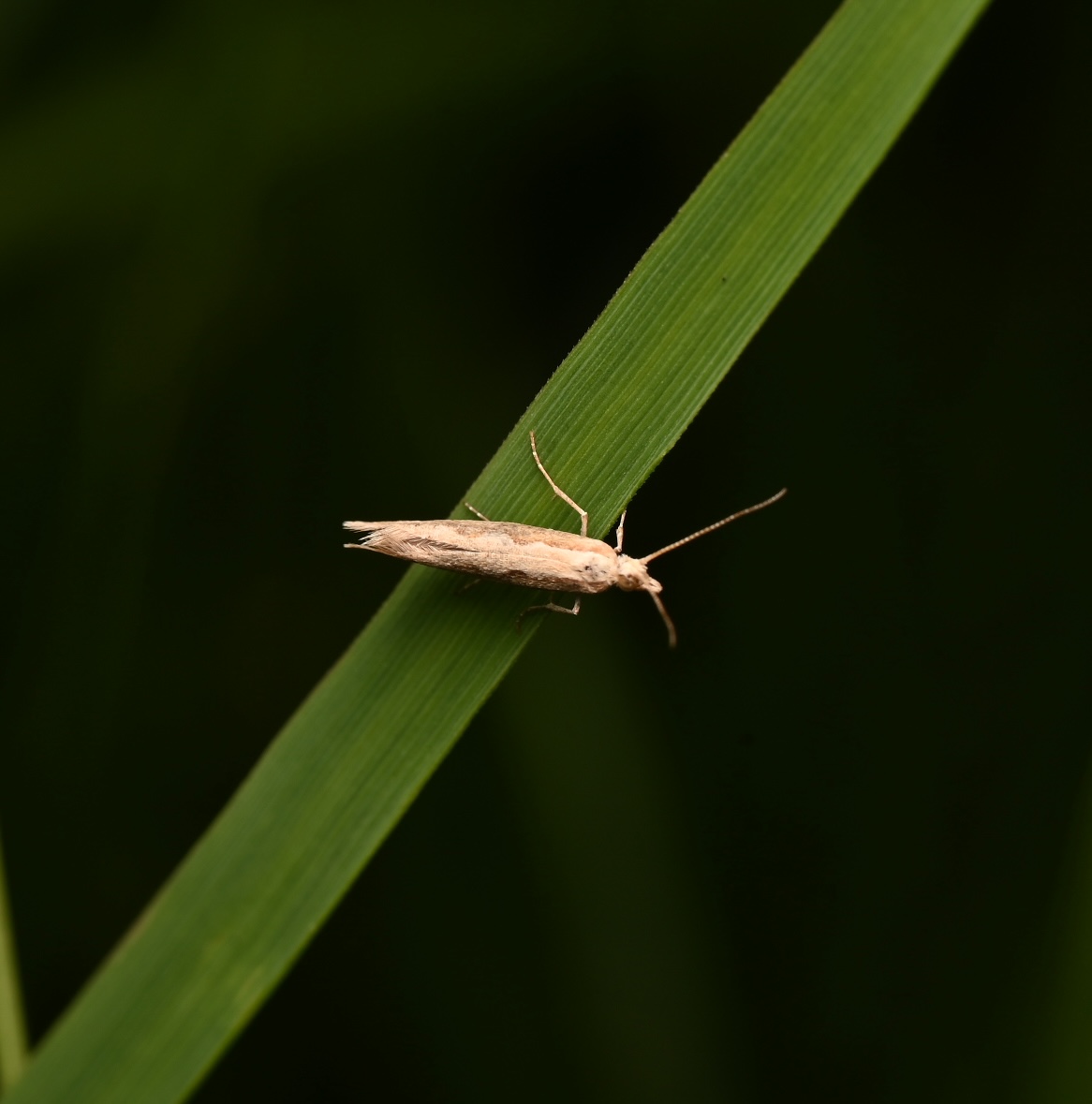
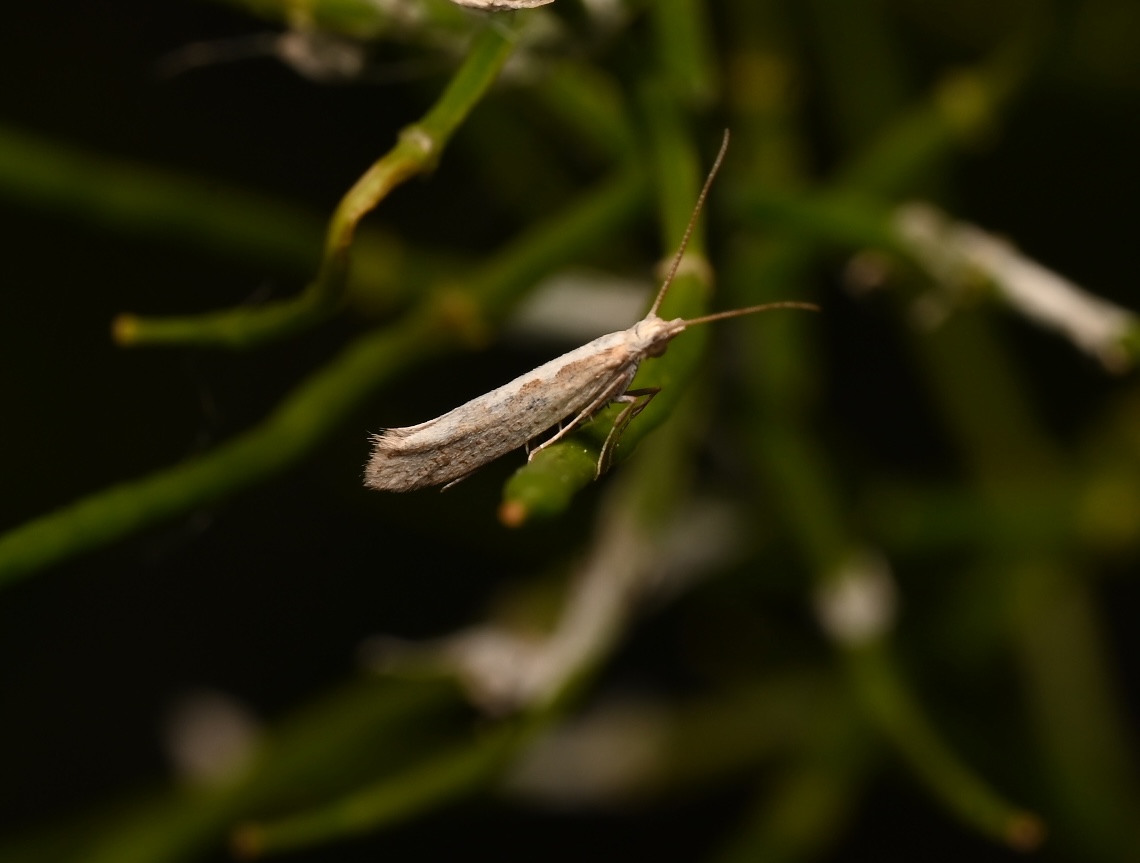
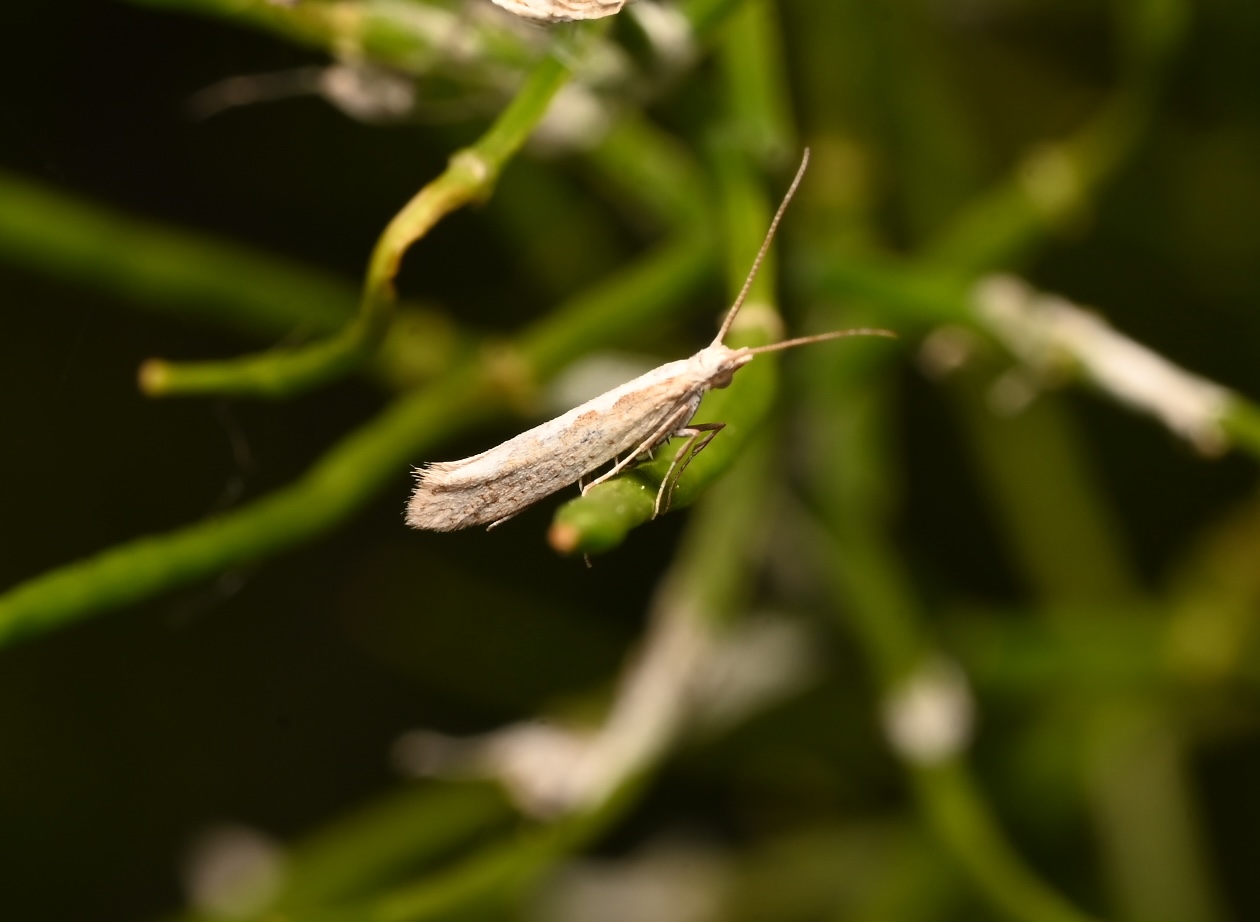
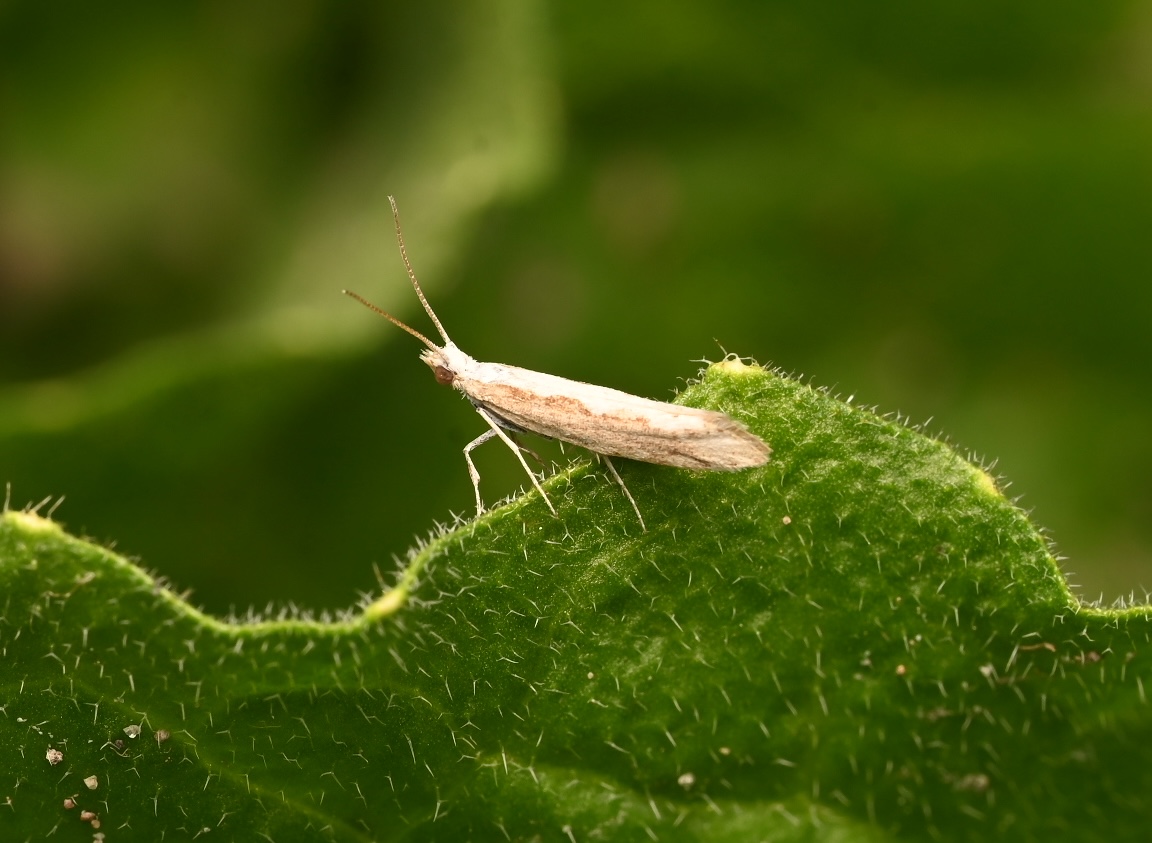
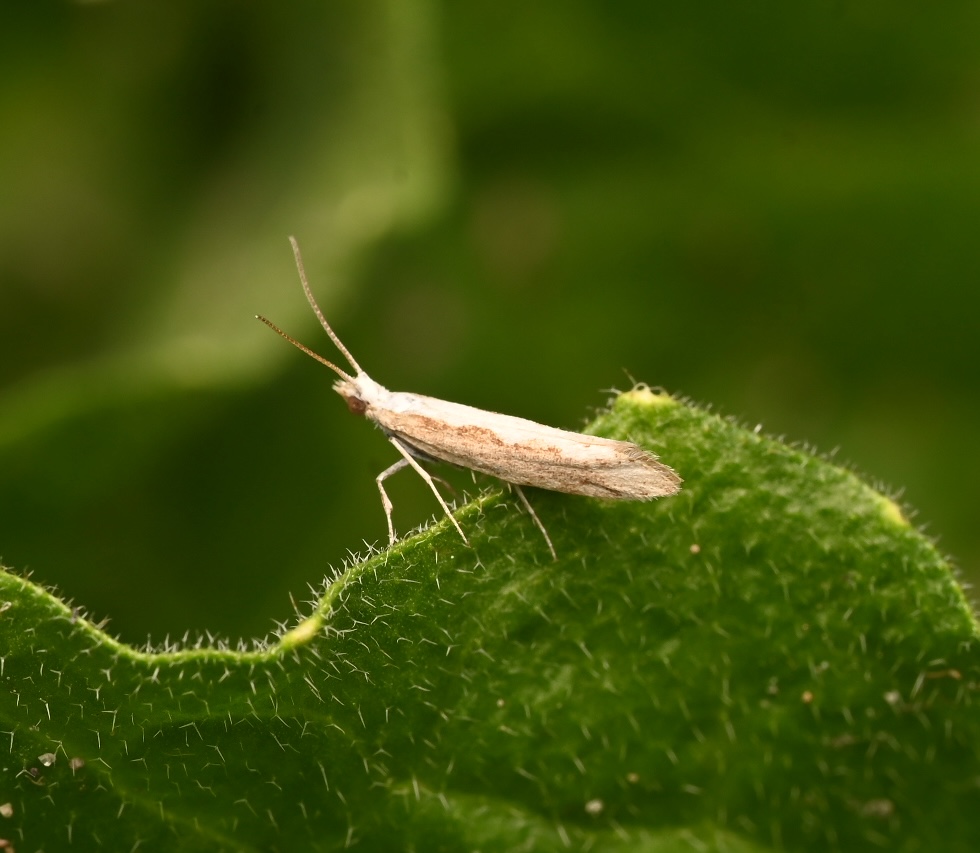
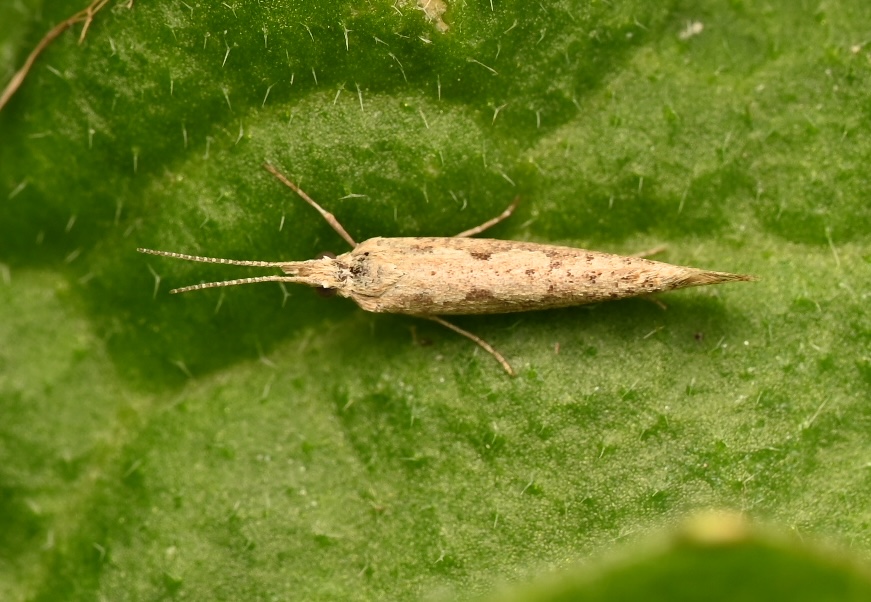
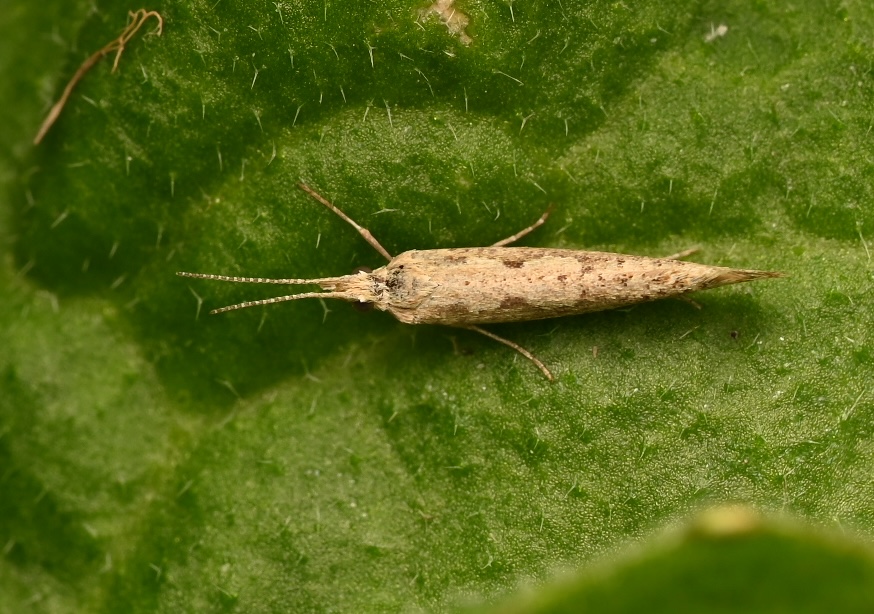
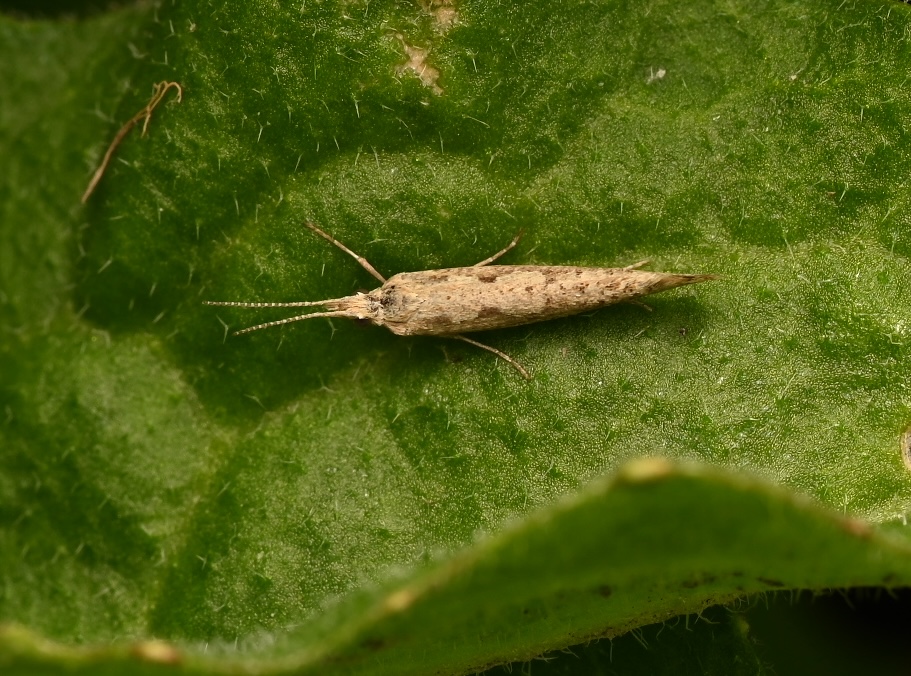
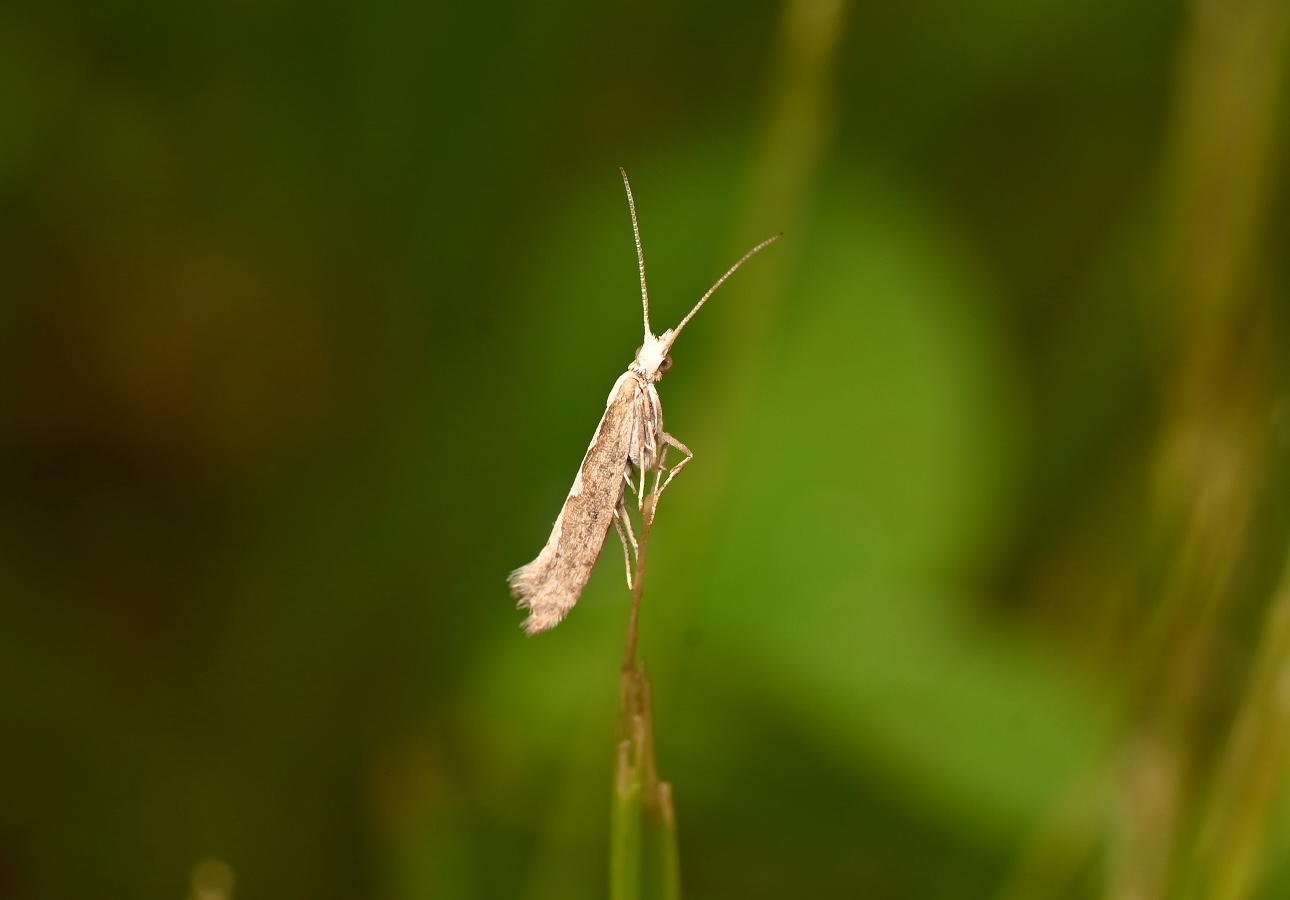
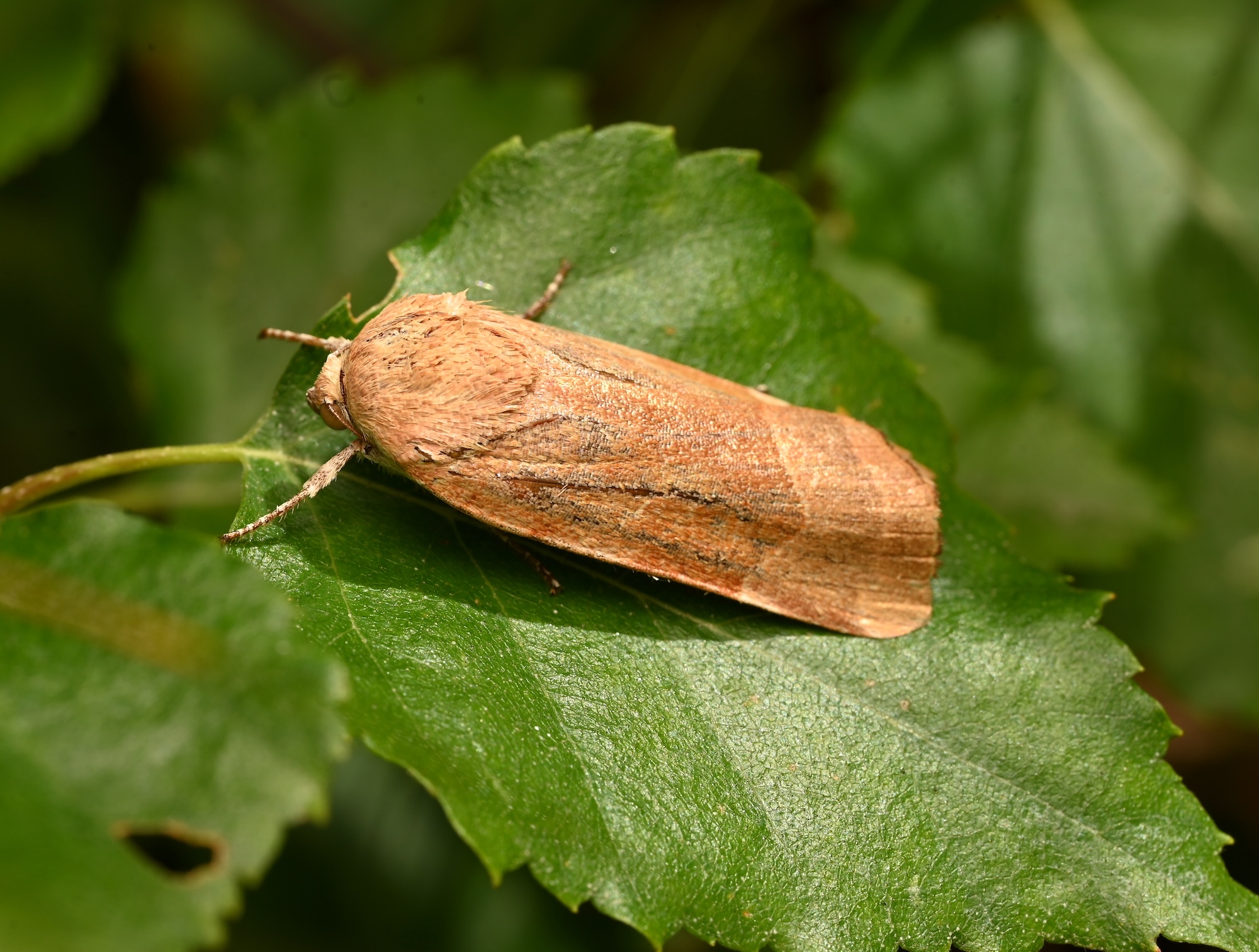
Meet the diamondback moth (Plutella xylostella), a tiny insect that ranks as one of the world’s most devastating agricultural pests. Named for the cream-colored diamond pattern on its back, this species causes billions of dollars in annual damage to brassica crops like cabbage and canola. Brassicas defend themselves by releasing toxic compounds when chewed—a chemical defense known as the “mustard oil bomb.” However, diamondback caterpillars have evolved a specialized gut enzyme that neutralizes these toxins, completely disarming the plant. Barely the size of two grains of rice, these formidable flyers can ride wind currents to travel over 2,000 miles during transcontinental migrations. They are also notorious as the first insect to develop resistance against several widespread insecticides. When travelling in Sweden and Finland in the summer of 2026, I witnessed the sheer scale of their reproduction capacity, encountering these little moths by the hundreds every evening.
Leave a Comment

Your email address will not be published. Required fields are marked *

Latest posts of related arthropods

Photo taken on 05-09-2026 in Barkarby, Sweden, with the Nikon Z6-II camera and Nikon Z MC 105mm f2.8 VR S lens and following settings: f16, 1/100, ISO 125.
Camouflaged coats and nighttime feast: T...
Photo taken on 30-08-2026 in Barkarby, Sweden, with the Nikon Z6-II camera and Nikon Z MC 105mm f2.8 VR S lens and following settings: f16, 1/100, ISO 100.
Dalmatian wings and silken tents: The el...
Photo taken on 30-08-2026 in Akalla, Sweden, with the Nikon Z6-II camera and Nikon Z MC 105mm f2.8 VR S lens and following settings: f14, 1/50, ISO 160.
One spot or two? Meeting the world-trave...
Photo taken on 30-08-2026 in Akalla, Sweden, with the Nikon Z6-II camera and Nikon Z MC 105mm f2.8 VR S lens and following settings: f16, 1/50, ISO 160.
Swedish meadow quest: Spotting a hidden ...
Photo taken on 30-08-2026 in Akalla, Sweden, with the Nikon Z6-II camera and Nikon Z MC 105mm f2.8 VR S lens and following settings: f14, 1/50, ISO 160.
Stained-glass wings and butterfly behavi...
Photo taken on 22-08-2026 in Barkarby, Sweden, with the Nikon Z6-II camera and Nikon Z MC 105mm f2.8 VR S lens and following settings:  f20, 1/200, ISO 250.
Color illusions and mud puddles: Meeting...
Scroll to Top

Would you prefer to hide close-up spider photos?
Wolisz ukryć zdjęcia pająków?
¿Ocultar fotos de arañas en primer plano?