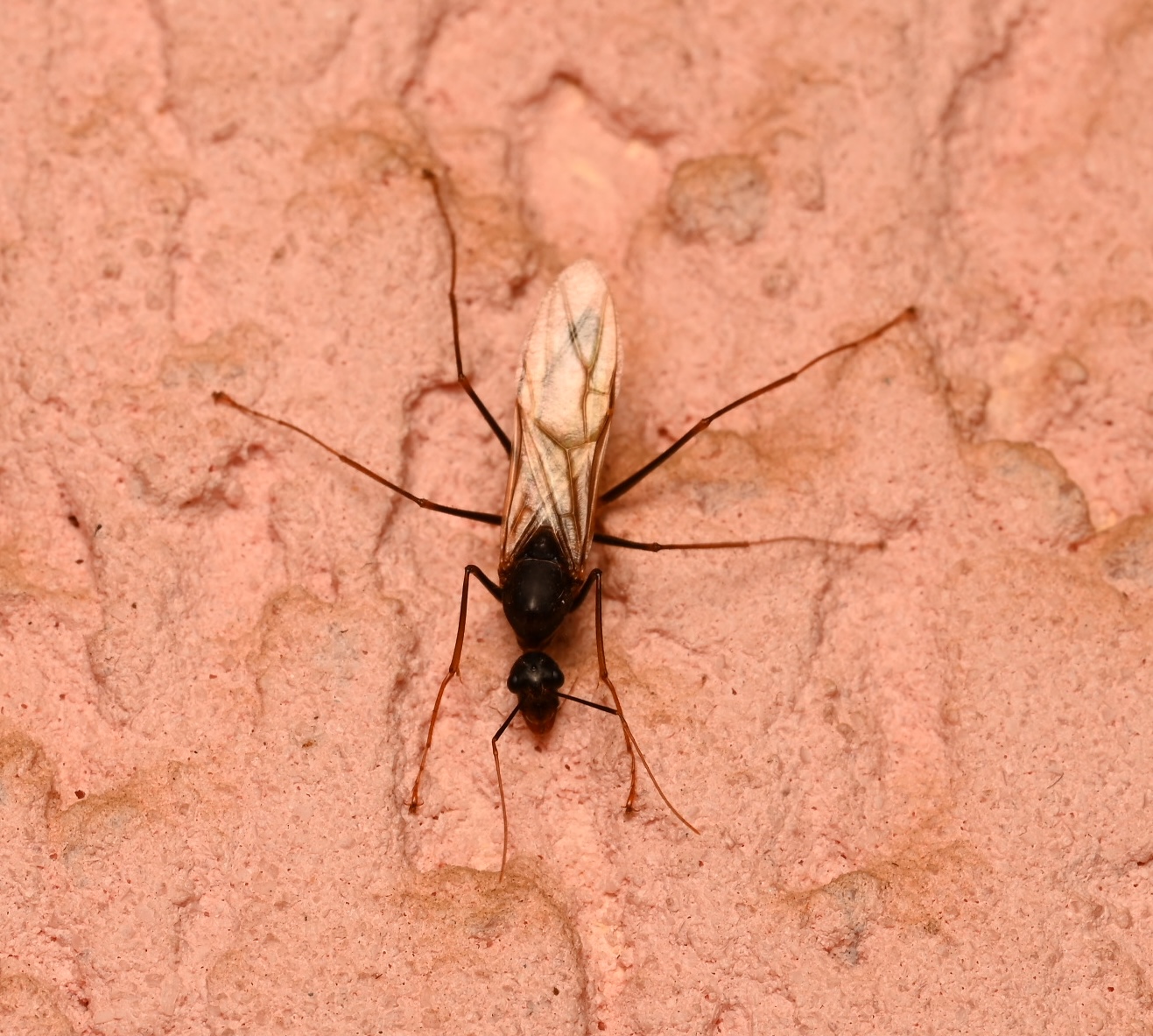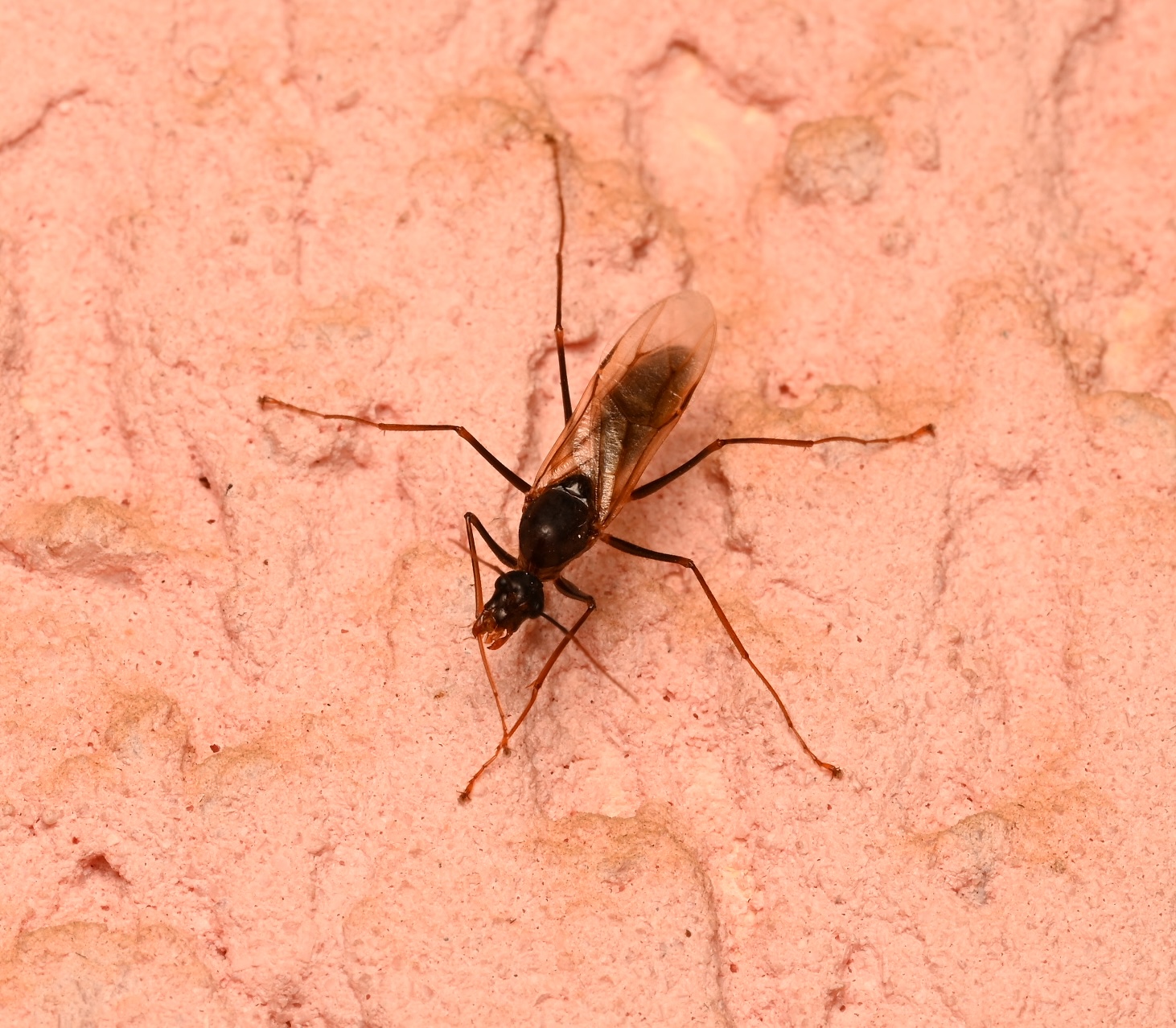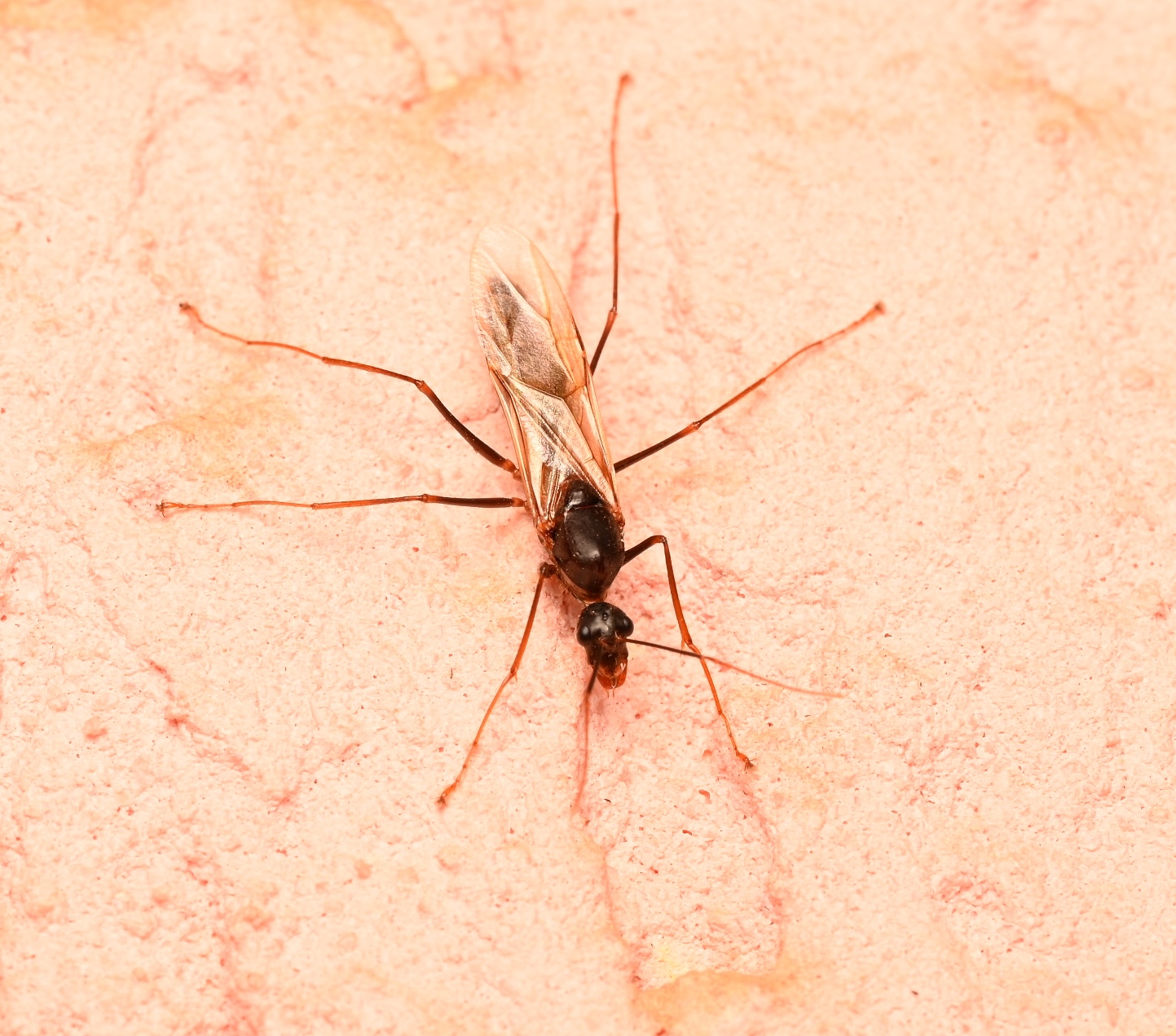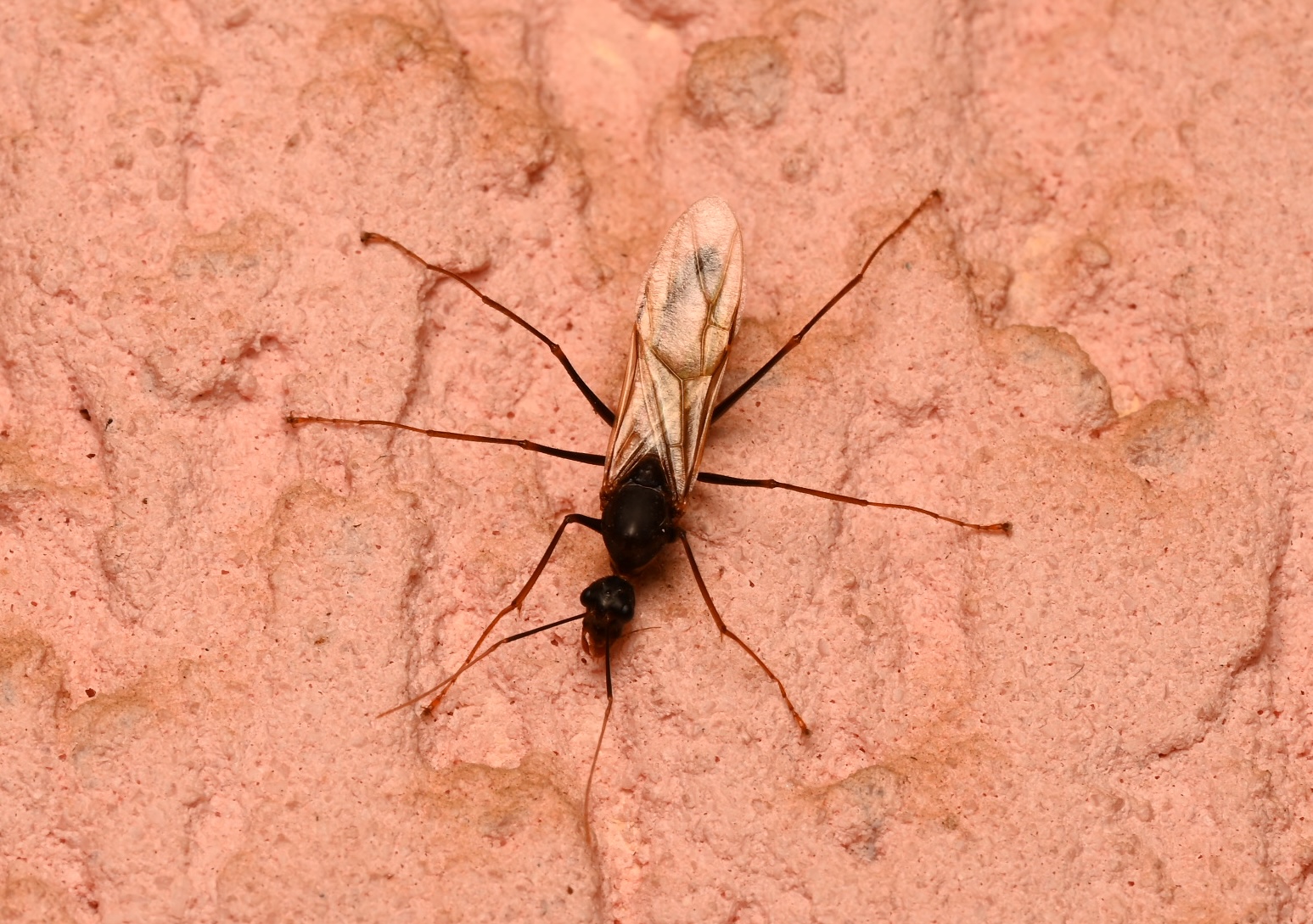
Royal flyers and sawdust tunnels: Meeting a giant Camponotus queen 

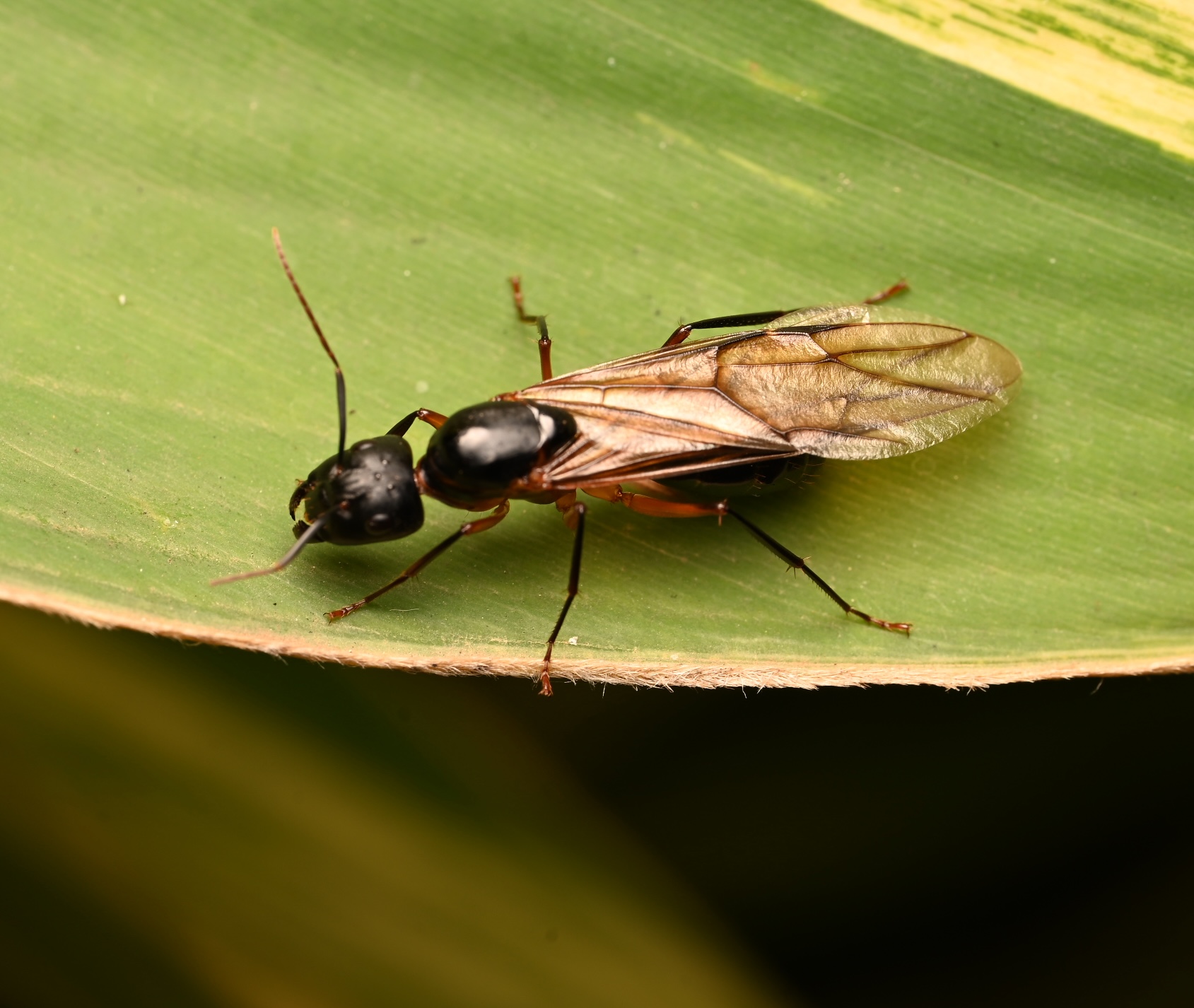
Measuring up to a staggering 25 millimeters in length, winged carpenter ant queens in the genus Camponotus are among the largest and most impressive ants on Earth. Built to launch high-flying mating flights during warm seasons, these regal insects are the powerful founders of vast underground and wooden empires! Contrary to popular belief, carpenter ants don’t actually eat wood! Instead, they act as master sculptors—tunneling through damp timber to carve out smooth, clean living galleries while pushing out piles of fine wood shavings (frass). They feed strictly on sugars and proteins. While queens completely lack a stinger, their massive jaws can deliver a firm bite while spraying irritating formic acid directly into the wound to deter threats. Even more astonishing, a single queen can reign for up to 25 years, laying tens of thousands of eggs over her quarter-century lifetime! I encountered this giant royal flyer resting peacefully on a wall inside my hotel in Bunia, Democratic Republic of Congo, while serving on a humanitarian mission—a magnificent reminder of the hidden insect royalty living alongside us!
Leave a Comment

Your email address will not be published. Required fields are marked *

Latest posts of related arthropods

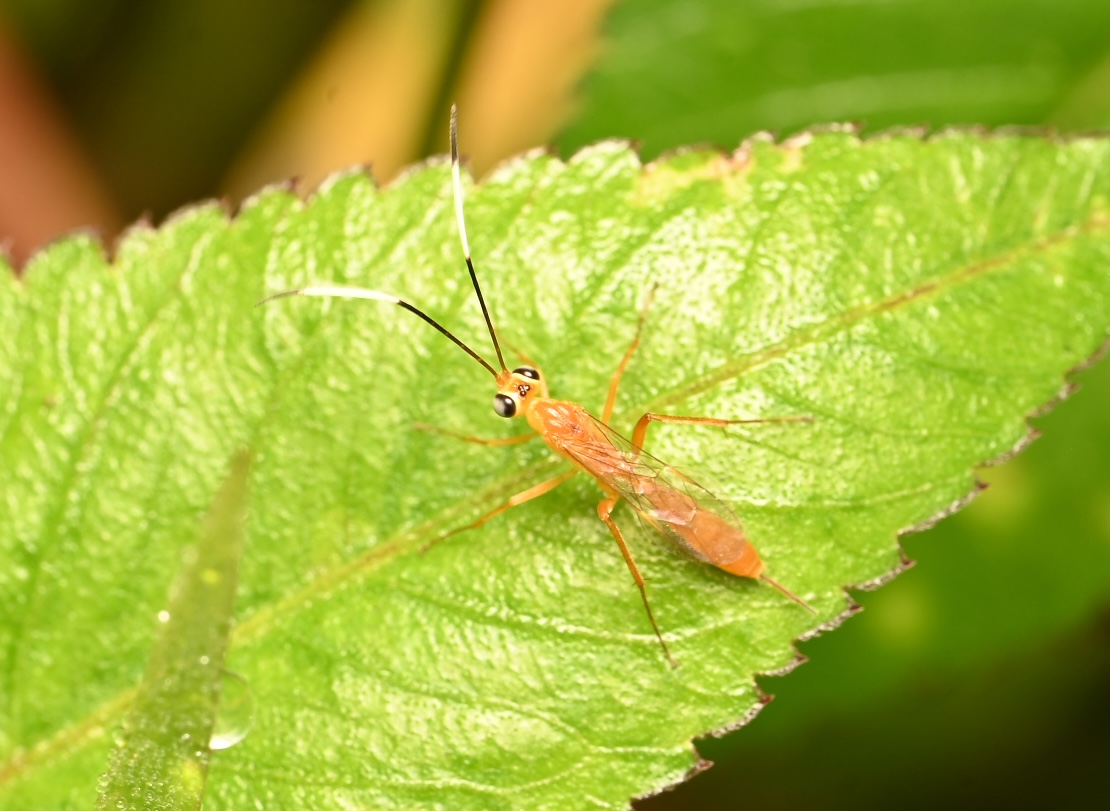
Photo taken on 25-10-2026 in Bunia, Democratic Republic of Congo, with the Nikon Z6-II camera and Nikon Z MC 105mm f2.8 VR S lens and following settings: f13, 1/100, ISO 200.
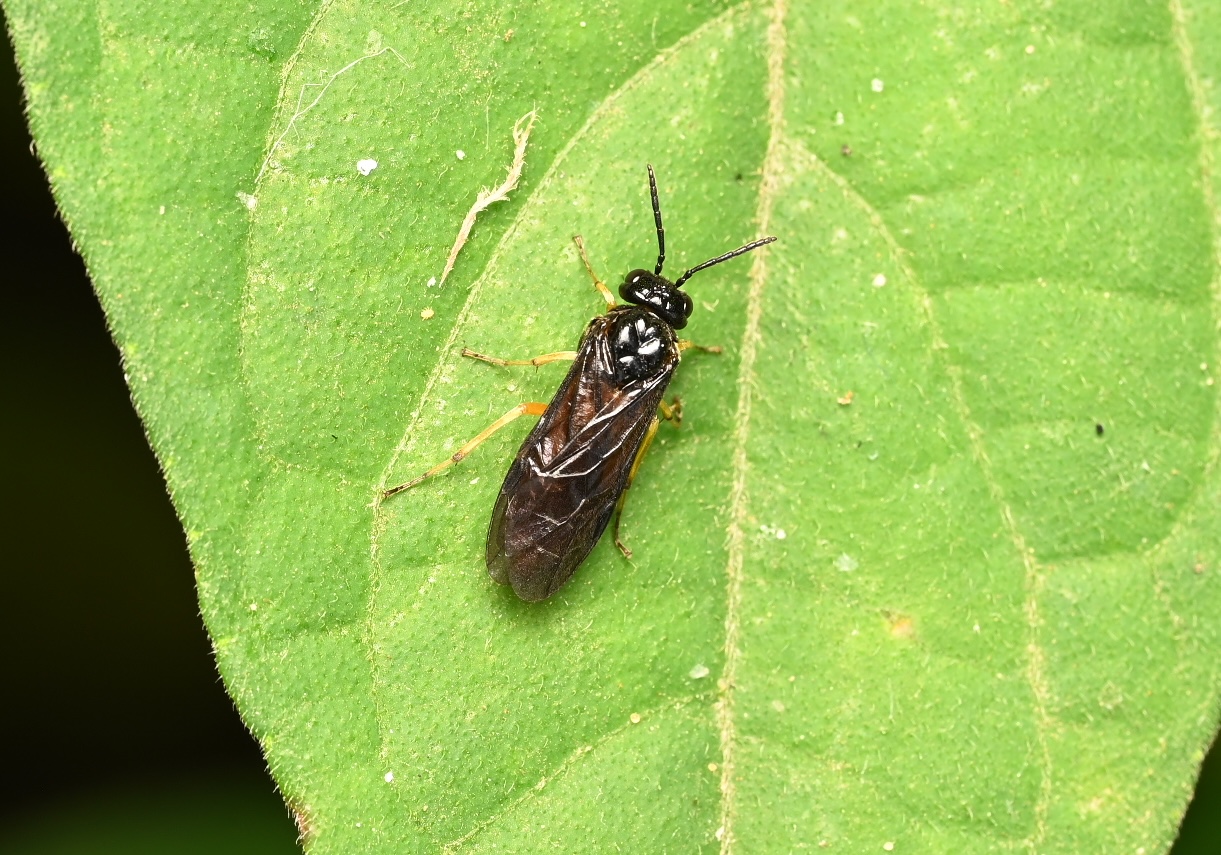
Yellow-legged foliage eaters: The poorly...
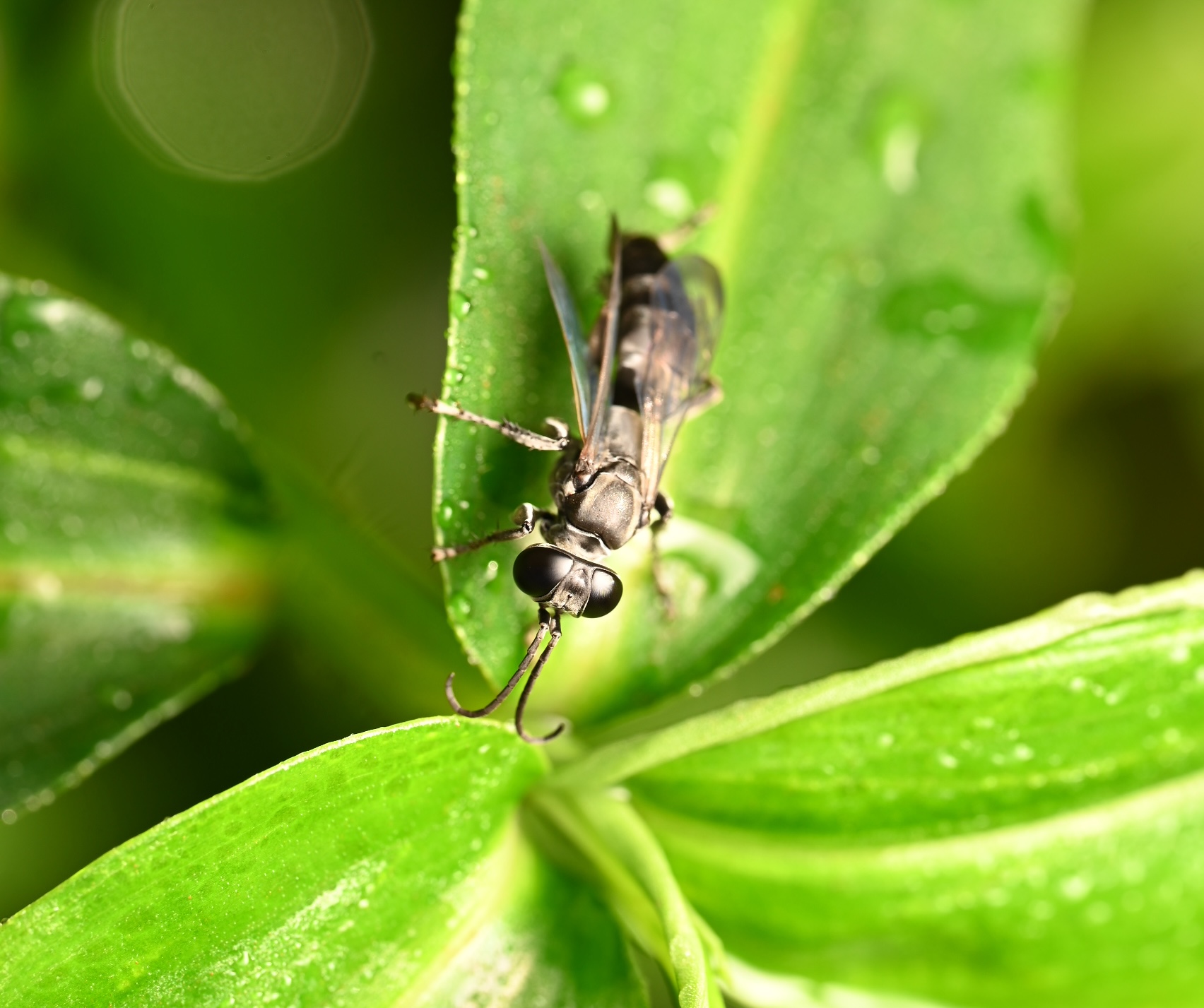
Photo taken on 25-10-2026 in Bunia, Democratic Republic of Congo, with the Nikon Z6-II camera and Nikon Z MC 105mm f2.8 VR S lens and following settings: f13, 1/100, ISO 160.
Unusual ovipositors and parasitoid lifes...
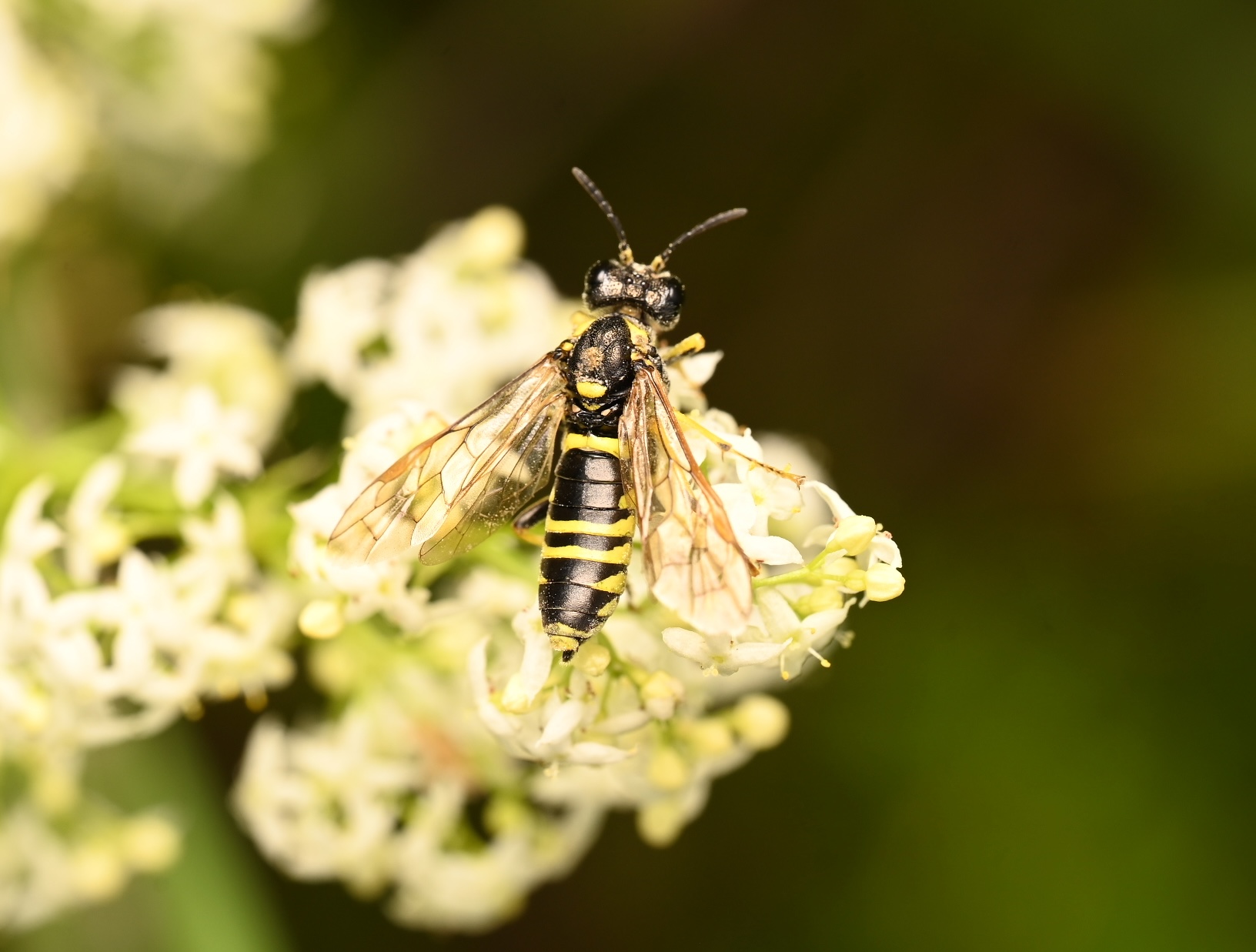
Photo taken on 08-10-2026 in Bunia, Democratic Republic of Congo, with the Nikon Z6-II camera and Nikon Z MC 105mm f2.8 VR S lens and following settings: f13, 1/100, ISO 79.
Acid spray guns and rainforest castes: T...
Photo taken on 04-10-2026 in Isiro, Democratic Republic of Congo, with the Nikon Z6-II camera and Nikon Z MC 105mm f2.8 VR S lens and following settings: f10, 1/125, ISO 125.
Cricket hunters and sand fortresses: Mee...
Photo taken on 22-08-2026 in Barkarby, Sweden, with the Nikon Z6-II camera and Nikon Z MC 105mm f2.8 VR S lens and following settings:  f11, 1/200, ISO 250.
Lemon stripes and nighttime grazers: Mee...
Photo taken on 05-09-2026 in Barkarby, Sweden, with the Nikon Z6-II camera and Nikon Z MC 105mm f2.8 VR S lens and following settings: f16, 1/100, ISO 125.
Orange legs and rhythmic dances: Meeting...
Scroll to Top

Would you prefer to hide close-up spider photos?
Wolisz ukryć zdjęcia pająków?
¿Ocultar fotos de arañas en primer plano?