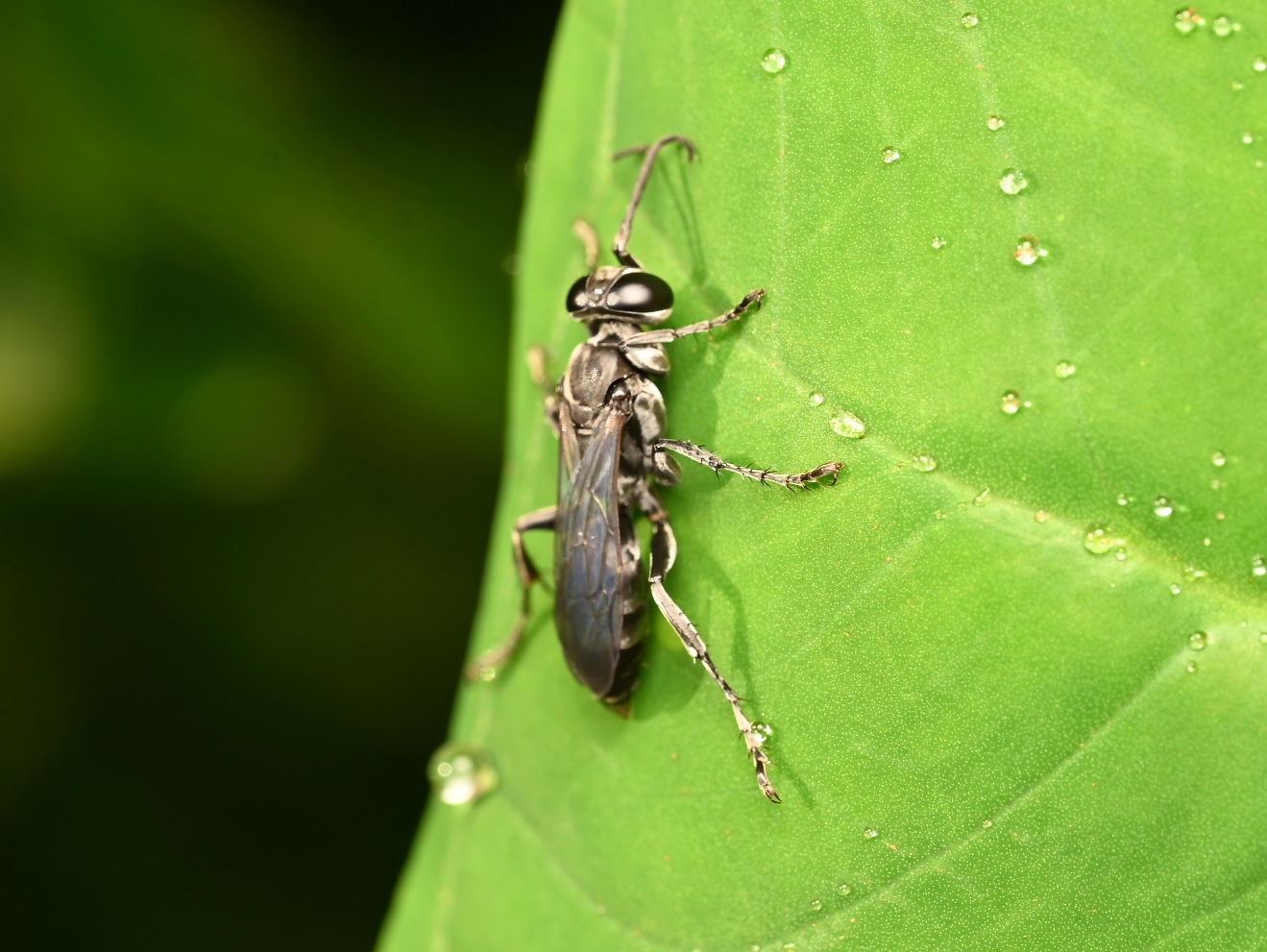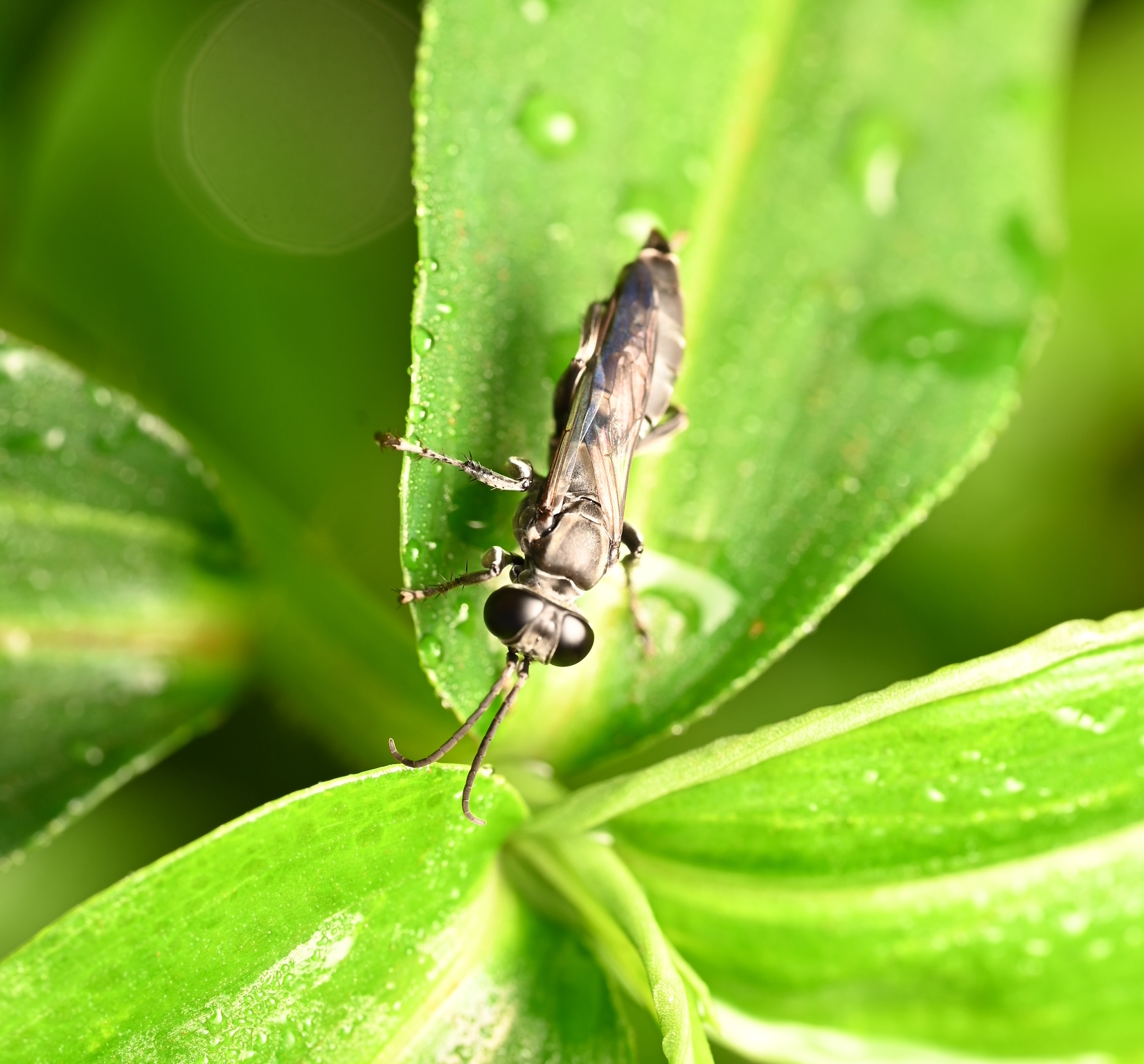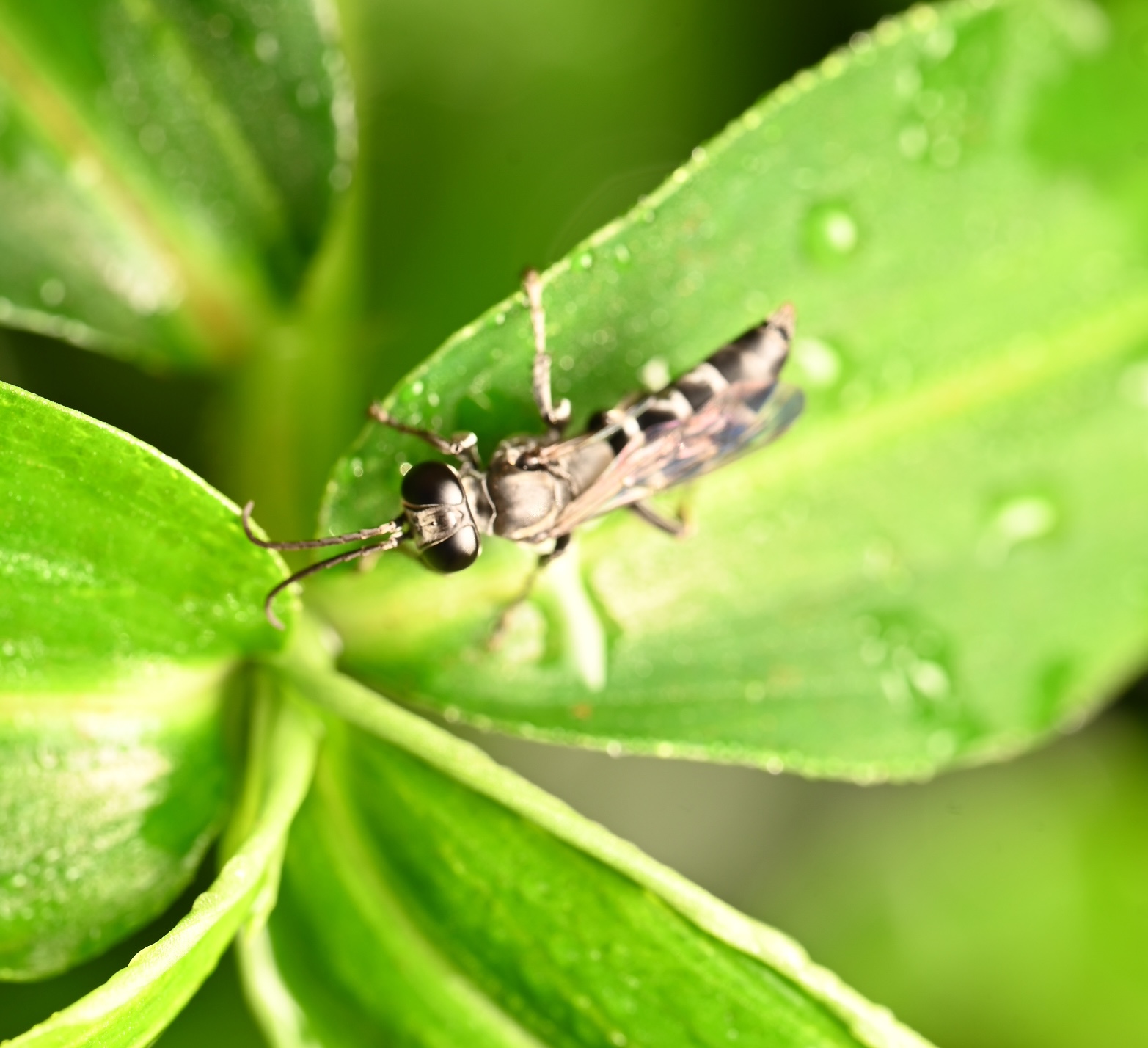
Cricket hunters and sand fortresses: Meeting Liris wasps 

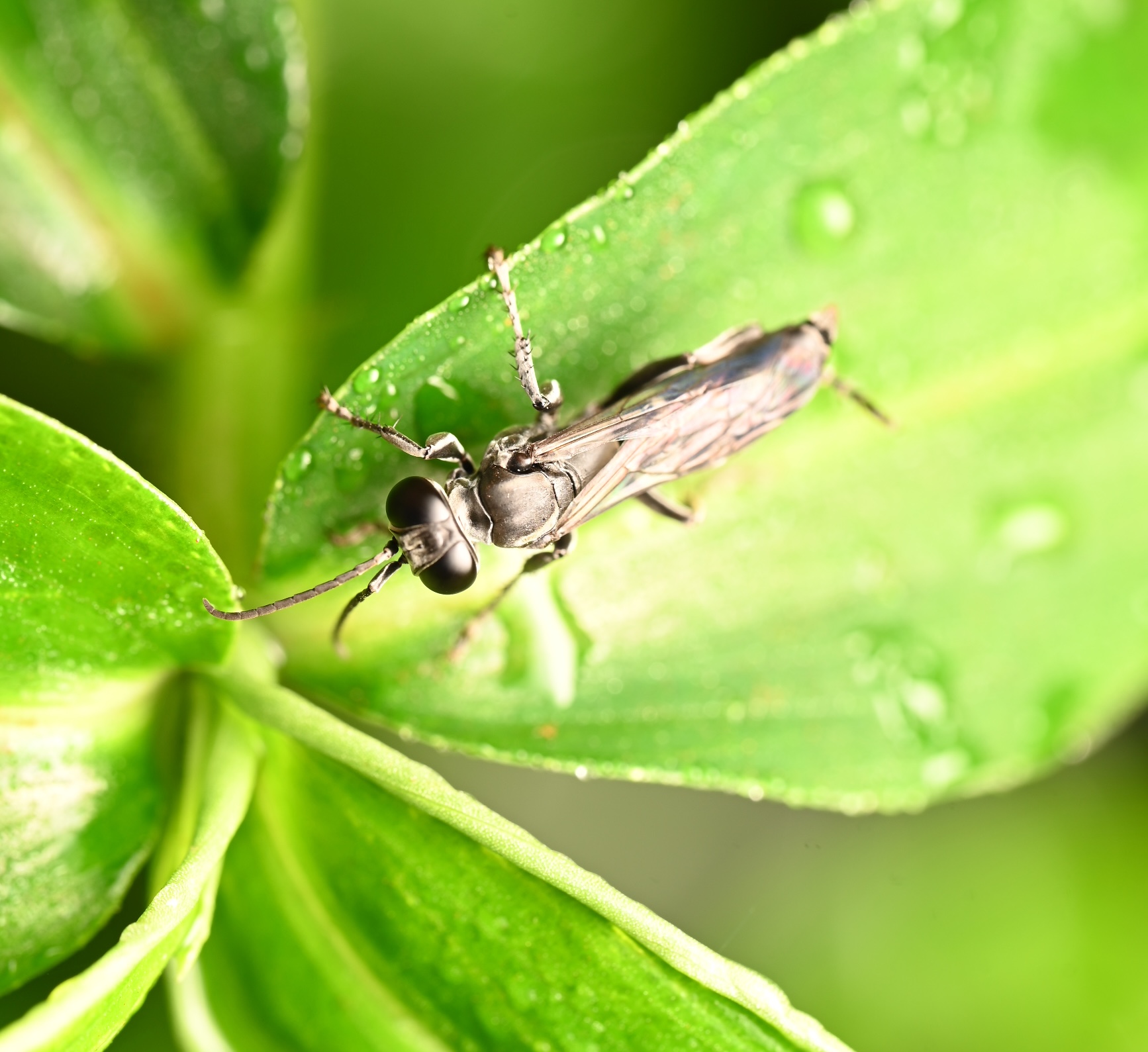
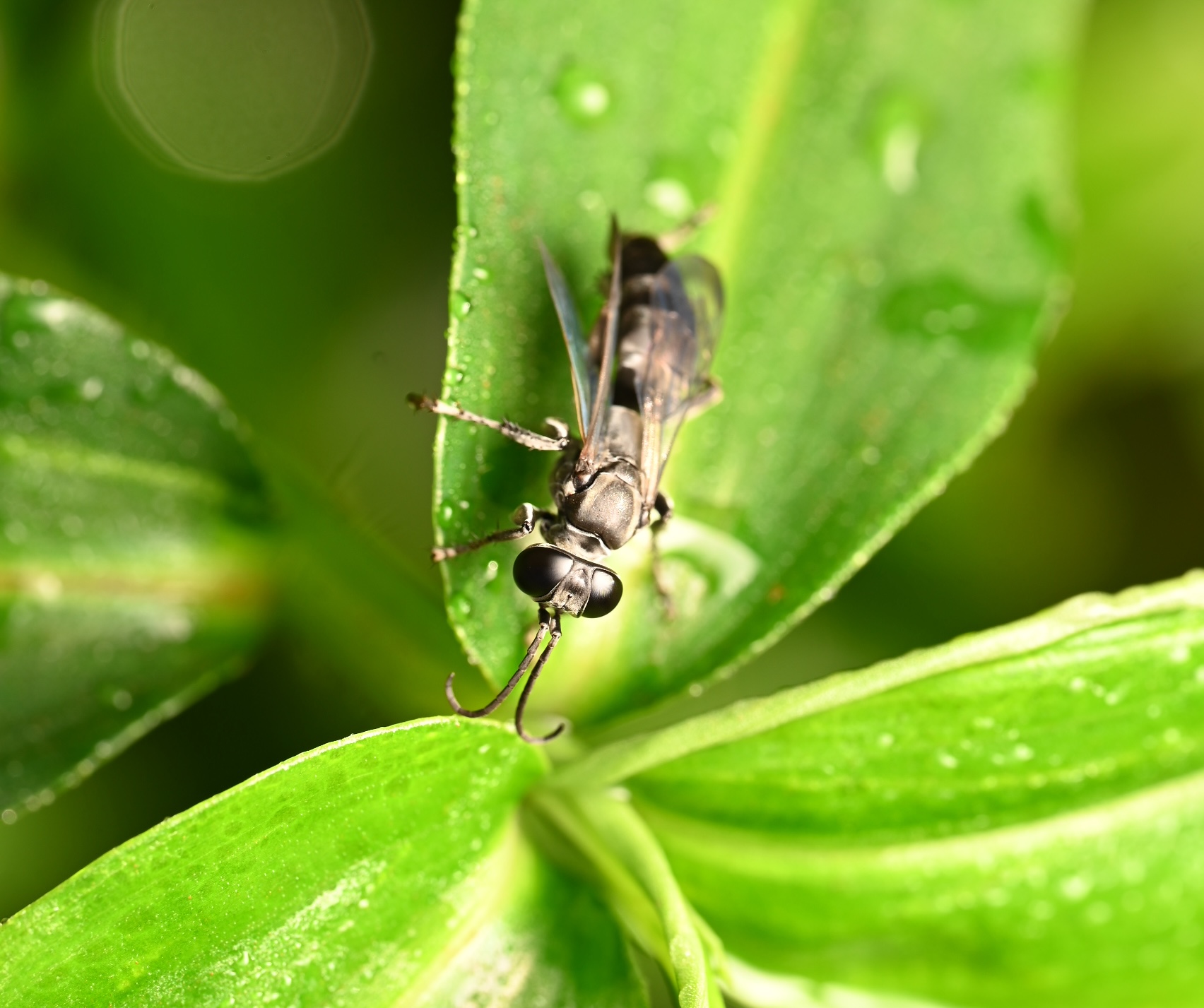
Swift, twitchy, and relentlessly focused, solitary wasps in the genus Liris are among the nature world’s most formidable hunters. Belonging to the family Crabronidae, these ground-nesting insects are famous for their specialized prey preference: crickets! A hunting female delivers a precise sequence of stings that leaves her prey weakly walking yet entirely docile, perfectly preserved as fresh food for her growing young. Everything about these wasps is built for high-speed action. While most related wasps have three dome-shaped simple eyes on their heads, Liris wasps have unique flat scars instead of side eyes, keeping only their central eye fully functional. When it comes to digging, their powerful jaws can toss sand grains and excavate an underground tunnel up to 14 centimeters deep in just minutes. Their busy larvae even mix their silk with fine sand to construct concrete-like cocoons that shield them from soil parasites!I came across this high-energy hunter navigating the vegetation in a small meadow in Isiro, Democratic Republic of Congo—watching it dart around with its signature rapid, jerky movements! By chance I captured some of my nicest, arty close-up photos to date 🙂

Leave a Comment

Your email address will not be published. Required fields are marked *

Latest posts of related arthropods

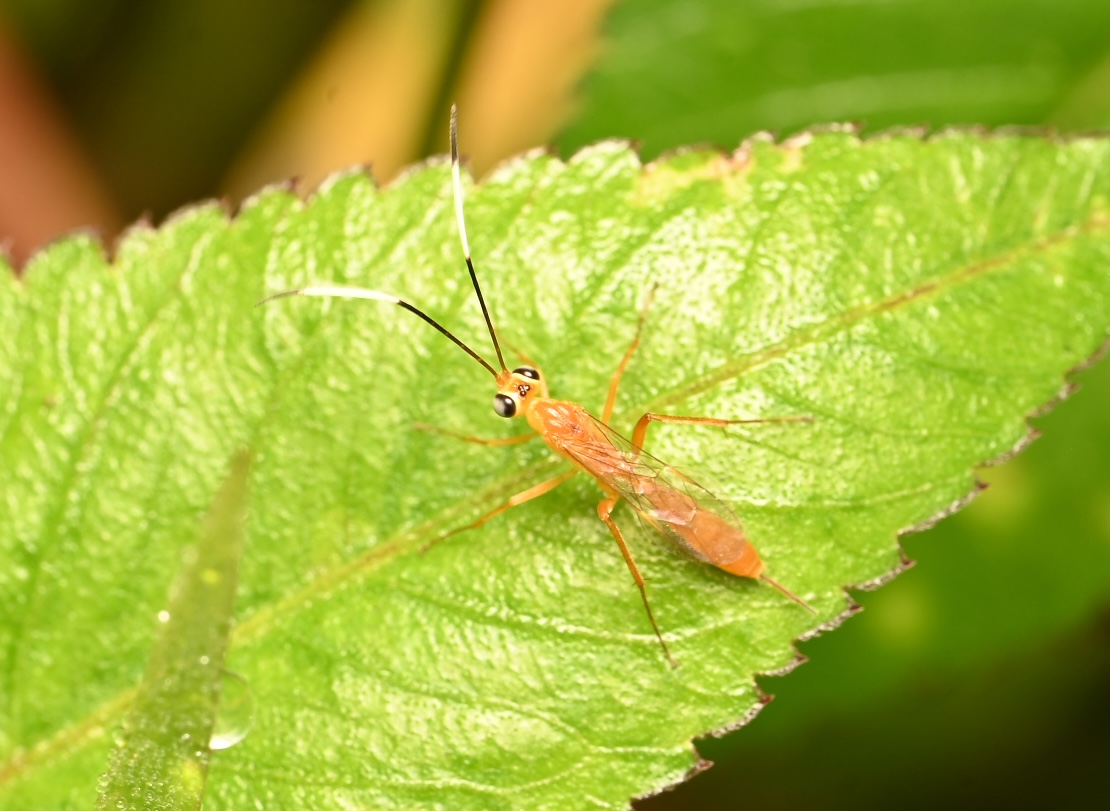
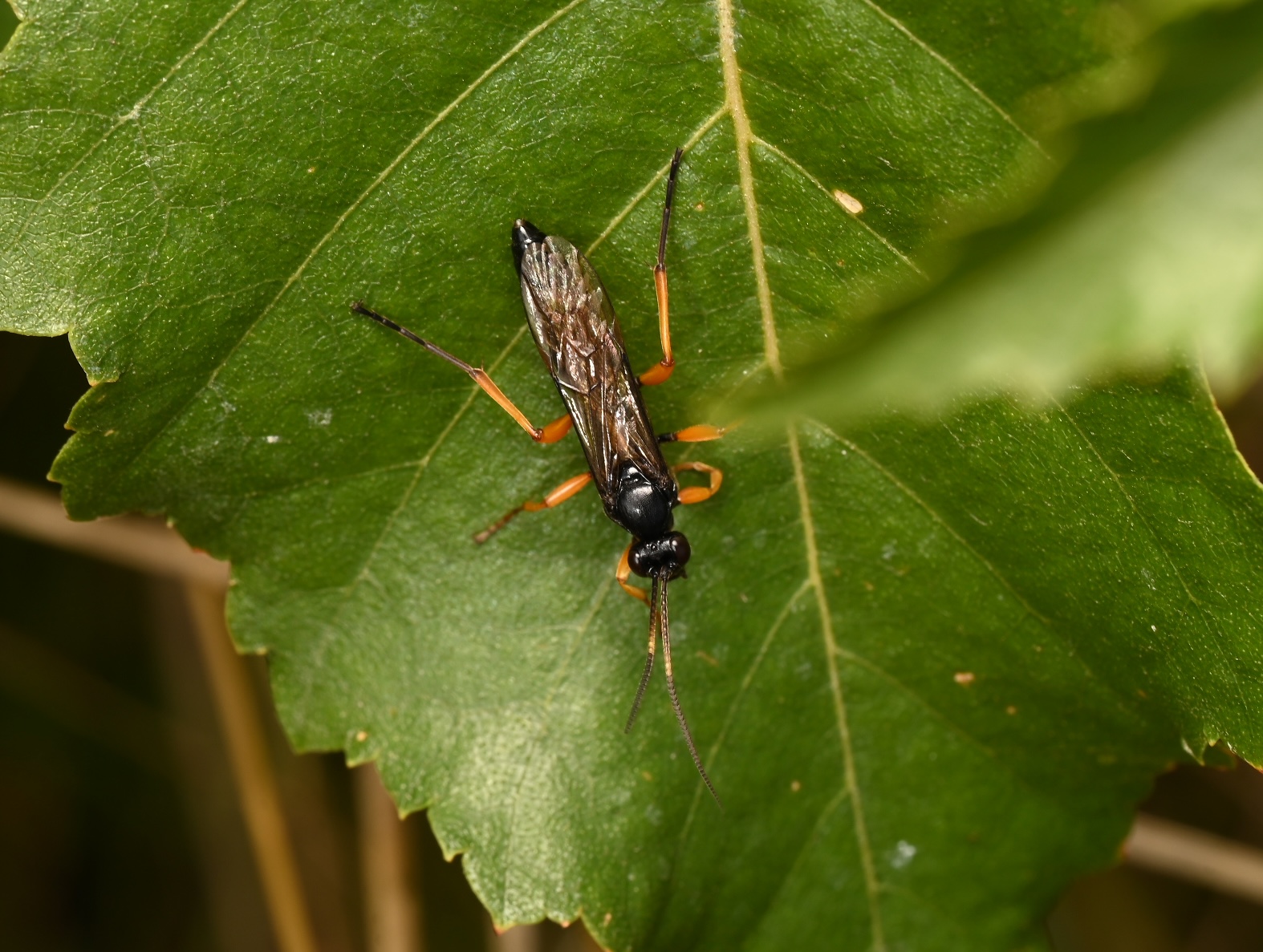
Photo taken on 25-10-2026 in Bunia, Democratic Republic of Congo, with the Nikon Z6-II camera and Nikon Z MC 105mm f2.8 VR S lens and following settings: f13, 1/100, ISO 200.
Yellow-legged foliage eaters: The poorly...
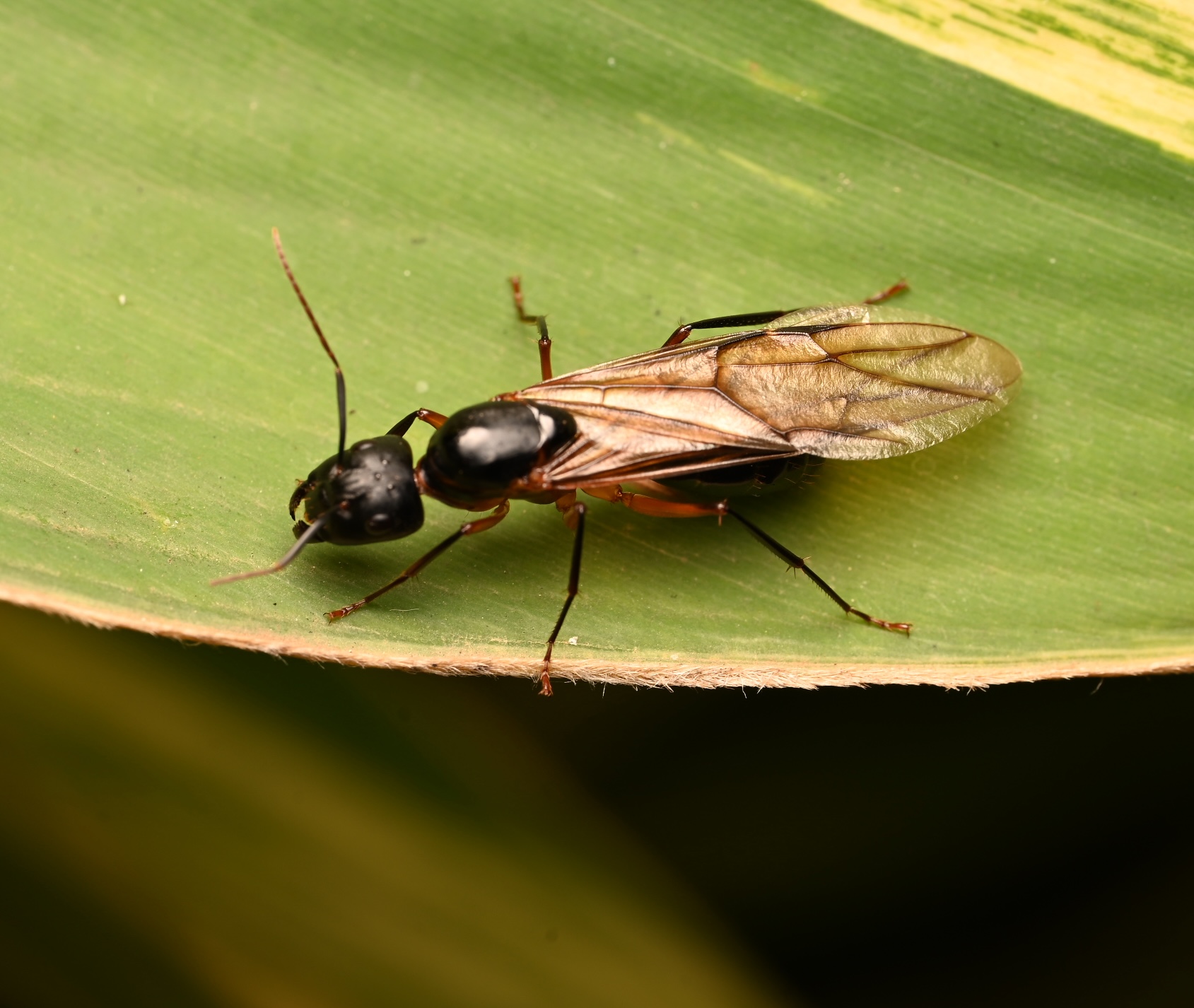
Photo taken on 25-10-2026 in Bunia, Democratic Republic of Congo, with the Nikon Z6-II camera and Nikon Z MC 105mm f2.8 VR S lens and following settings: f13, 1/100, ISO 160.
Unusual ovipositors and parasitoid lifes...
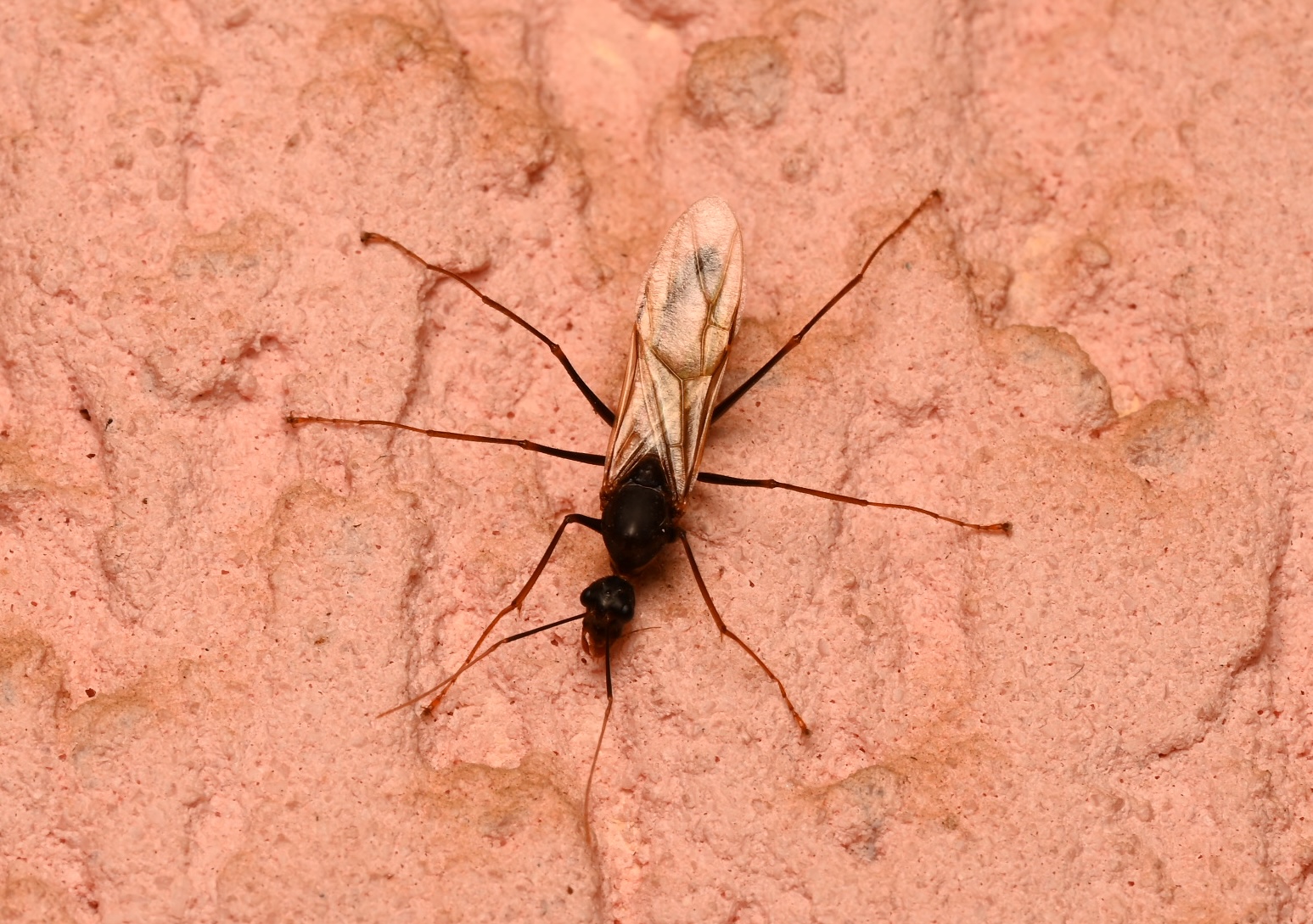
Photo taken on 08-10-2026 in Bunia, Democratic Republic of Congo, with the Nikon Z6-II camera and Nikon Z MC 105mm f2.8 VR S lens and following settings: f13, 1/100, ISO 79.
Acid spray guns and rainforest castes: T...
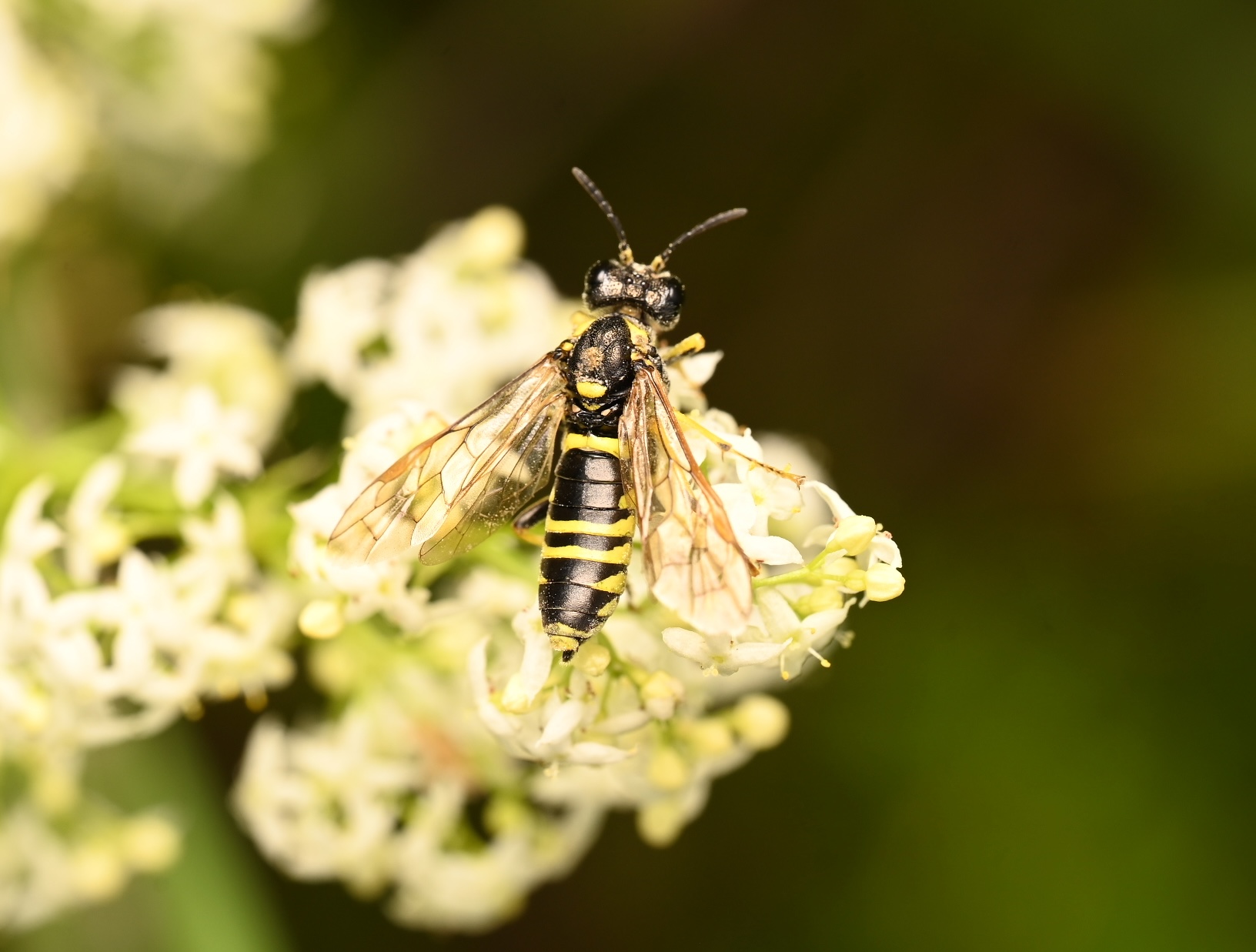
Photo taken on 27-09-2026 in Bunia, Democratic Republic of Congo, with the Nikon Z6-II camera and Nikon Z MC 105mm f2.8 VR S lens and following settings: f22, 1/200, ISO 100.
Royal flyers and sawdust tunnels: Meetin...
Photo taken on 22-08-2026 in Barkarby, Sweden, with the Nikon Z6-II camera and Nikon Z MC 105mm f2.8 VR S lens and following settings:  f11, 1/200, ISO 250.
Lemon stripes and nighttime grazers: Mee...
Photo taken on 05-09-2026 in Barkarby, Sweden, with the Nikon Z6-II camera and Nikon Z MC 105mm f2.8 VR S lens and following settings: f16, 1/100, ISO 125.
Orange legs and rhythmic dances: Meeting...
Scroll to Top

Would you prefer to hide close-up spider photos?
Wolisz ukryć zdjęcia pająków?
¿Ocultar fotos de arañas en primer plano?