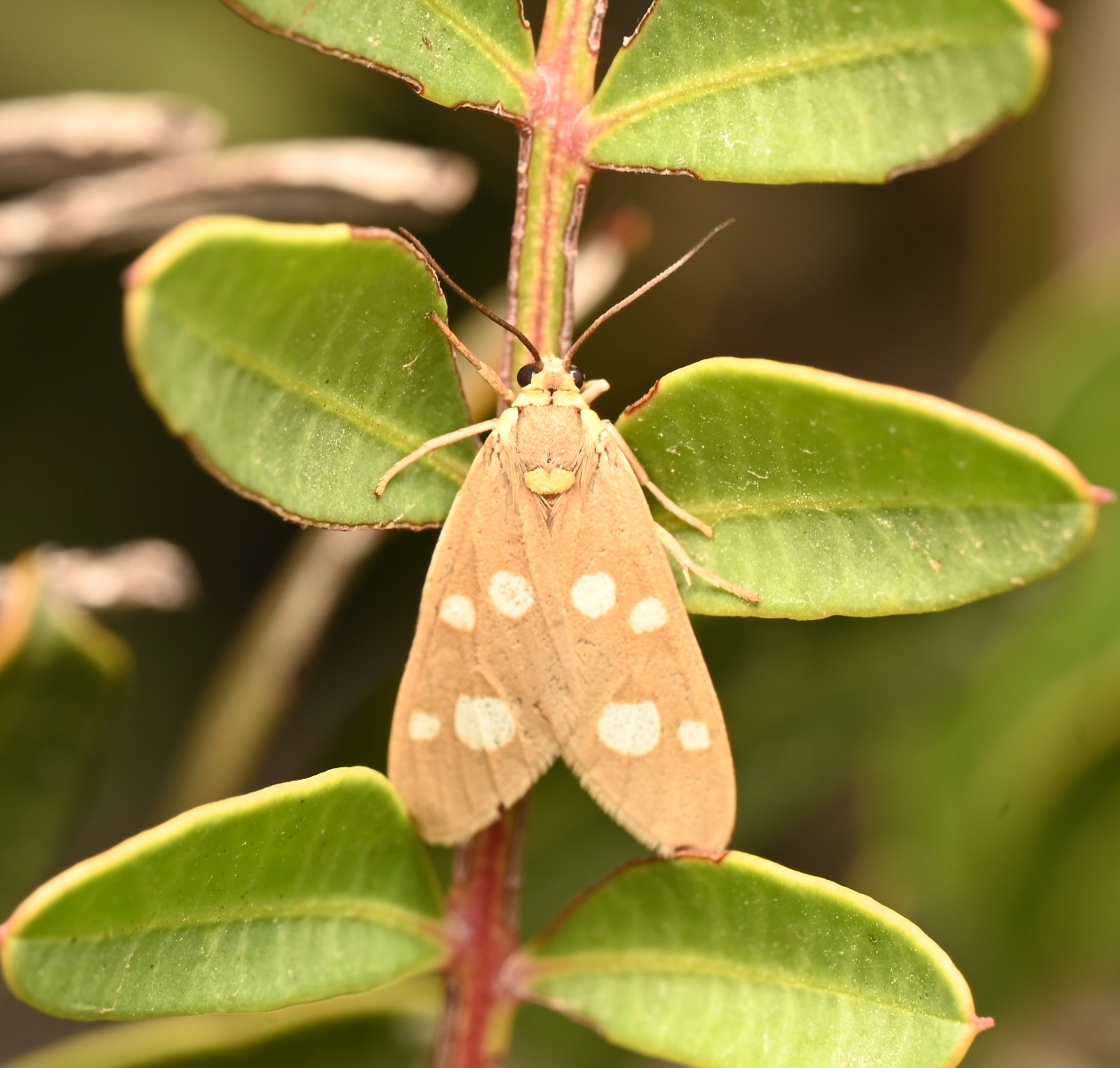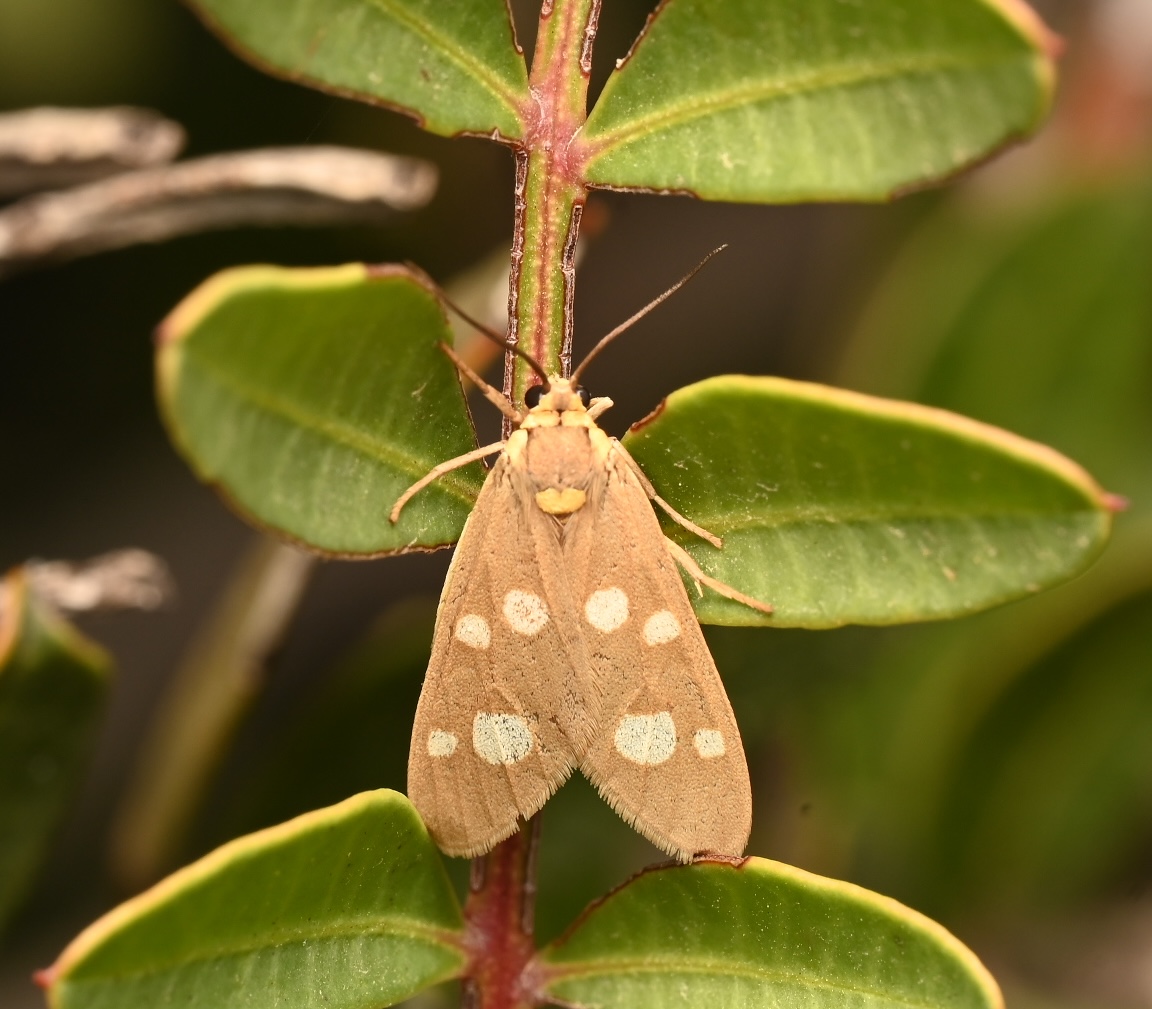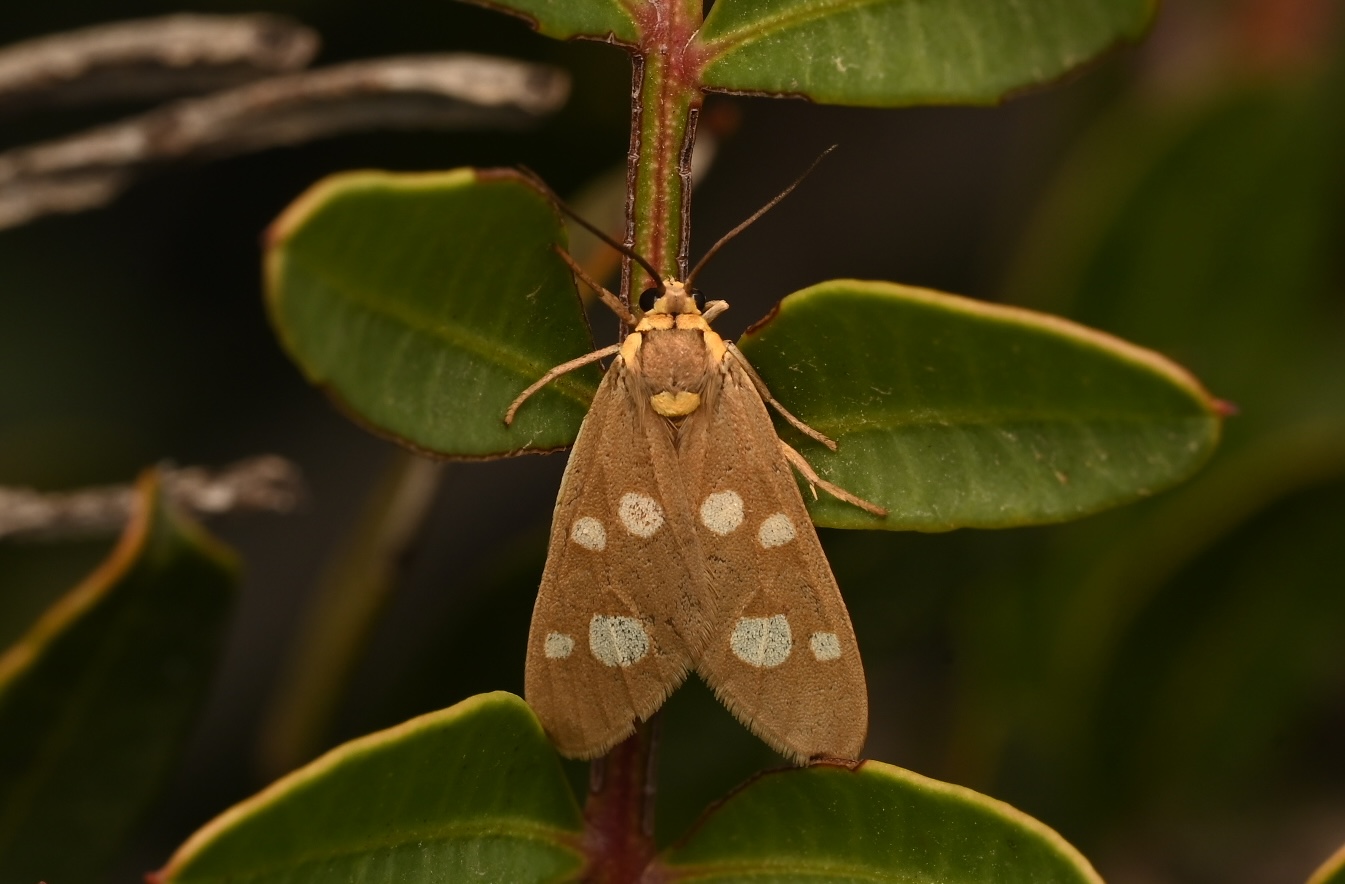
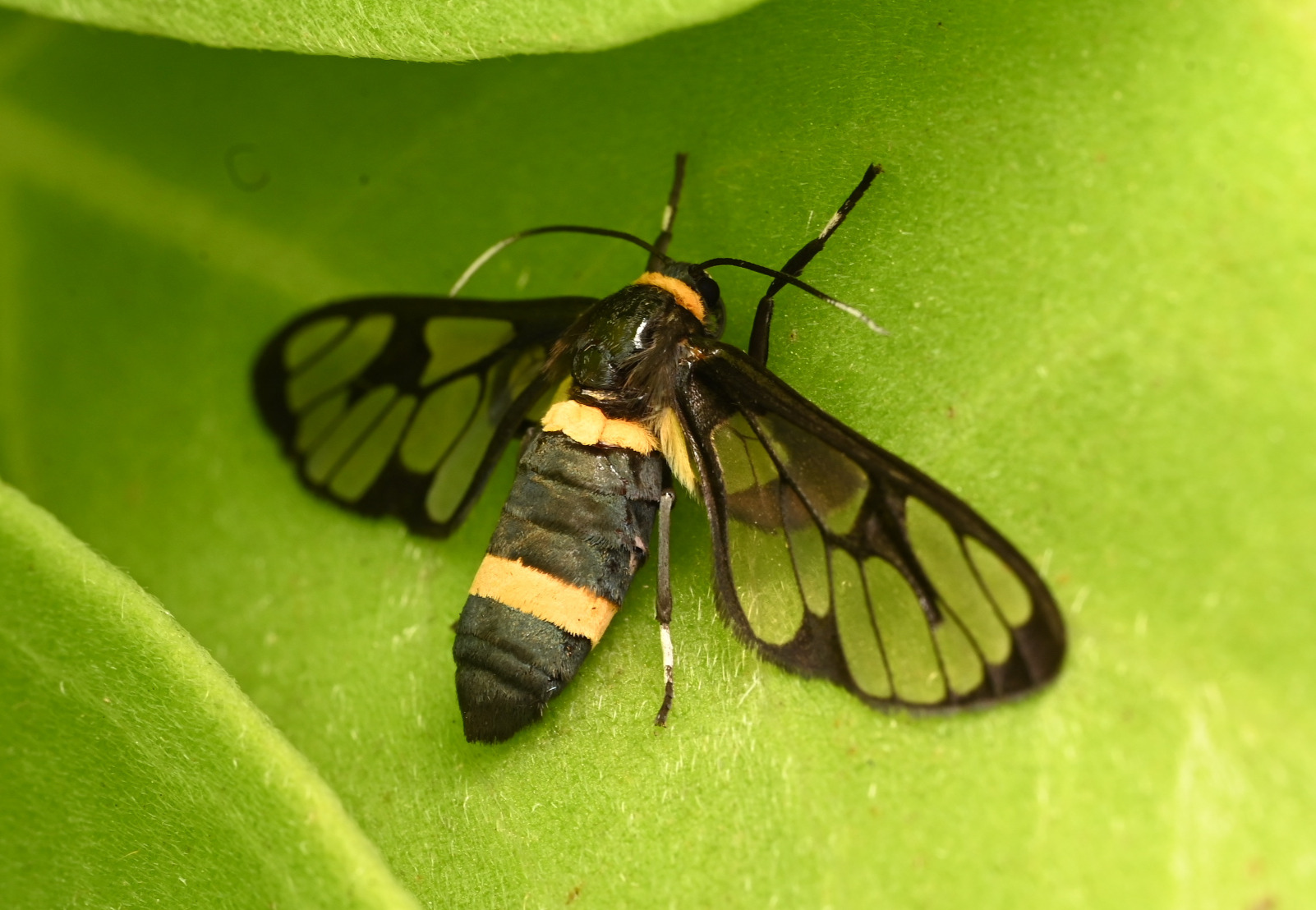
An elegant tiger moth taking the sun on the Greek island Spetses

Tiger moths, a subfamily of the Erebidae family, are well known for their impressive defensive strategies. Some species can produce ultrasonic clicks that interfere with bat echolocation, while others store toxic compounds from their host plants to deter predators. Dysauxes famula is a small, day-flying tiger moth first described in 1836. It is a heat-loving species with a wide distribution, ranging from the Caucasus and Asia Minor to parts of southern and central Europe. Its caterpillars are highly adaptable feeders, consuming a variety of plants such as dandelion and bramble, and can even survive on mosses, lichens, and leaf litter. I spotted this moth resting on a tree on a sunny afternoon in Spetses, Greece.

Leave a Comment

Your email address will not be published. Required fields are marked *

Latest posts of related arthropods

Photo taken on 26-12-2025 in Okinawa Peace Memorial Park, Japan, with the Nikon Z6-II camera and Nikon Z MC 105mm f2.8 VR S lens  and following settings:  f18, 1/200, ISO 320.
A handmaiden moth resting on a tree in O...
Photo taken on 29-08-2025 in Lisbon, Portugal, with the Nikon Z6-II camera and Nikon Z MC 105mm f2.8 VR S lens and following settings:  f20, 1/200, ISO 320.
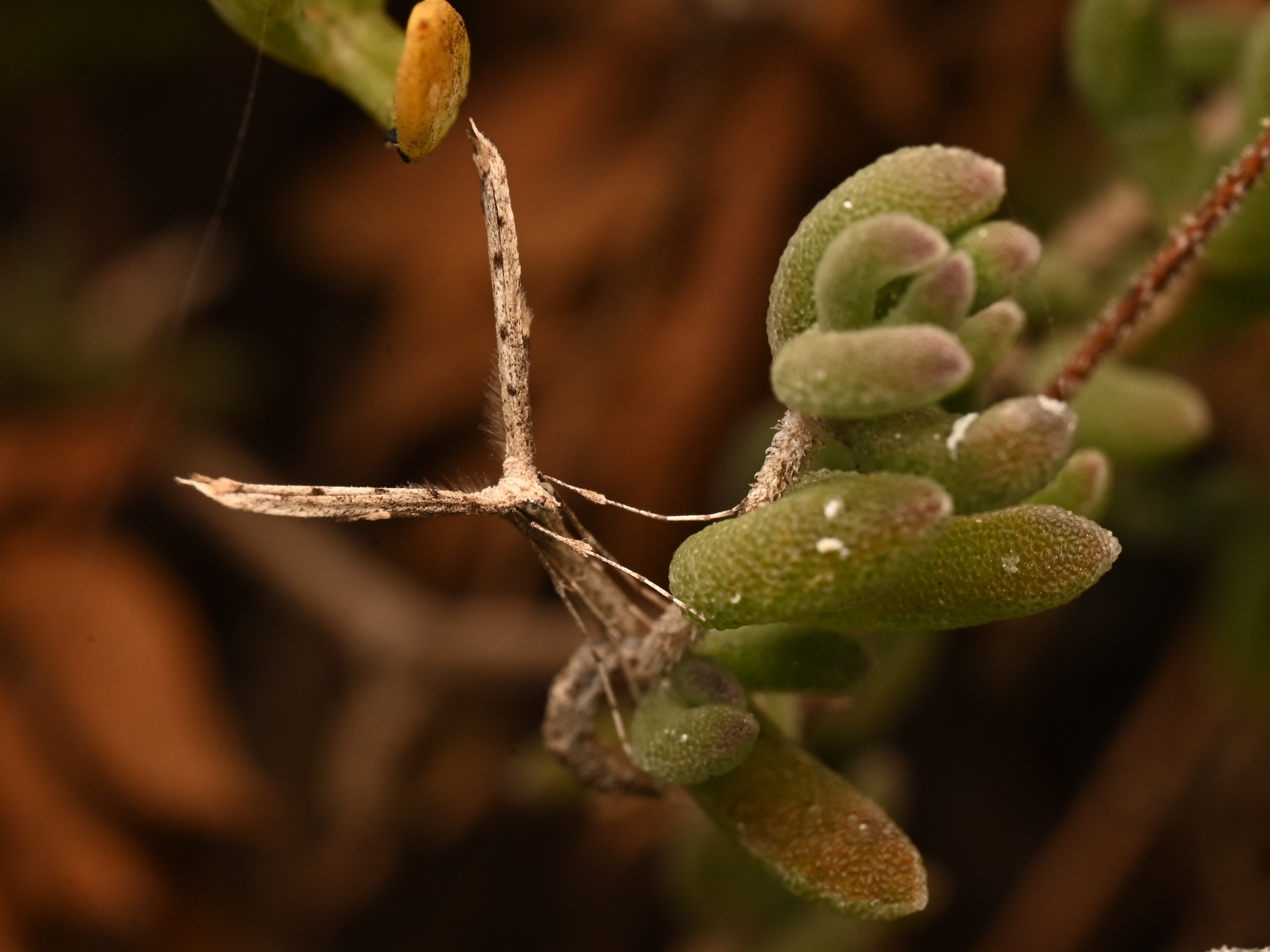
The living twig: Unmasking the plume mot...
Photo taken on 05-08-2025 in Puyo, Ecuador, with the Nikon Z6-II camera and Nikon Z MC 105mm f2.8 VR S lens and following settings: f16, 1/200, ISO 320.
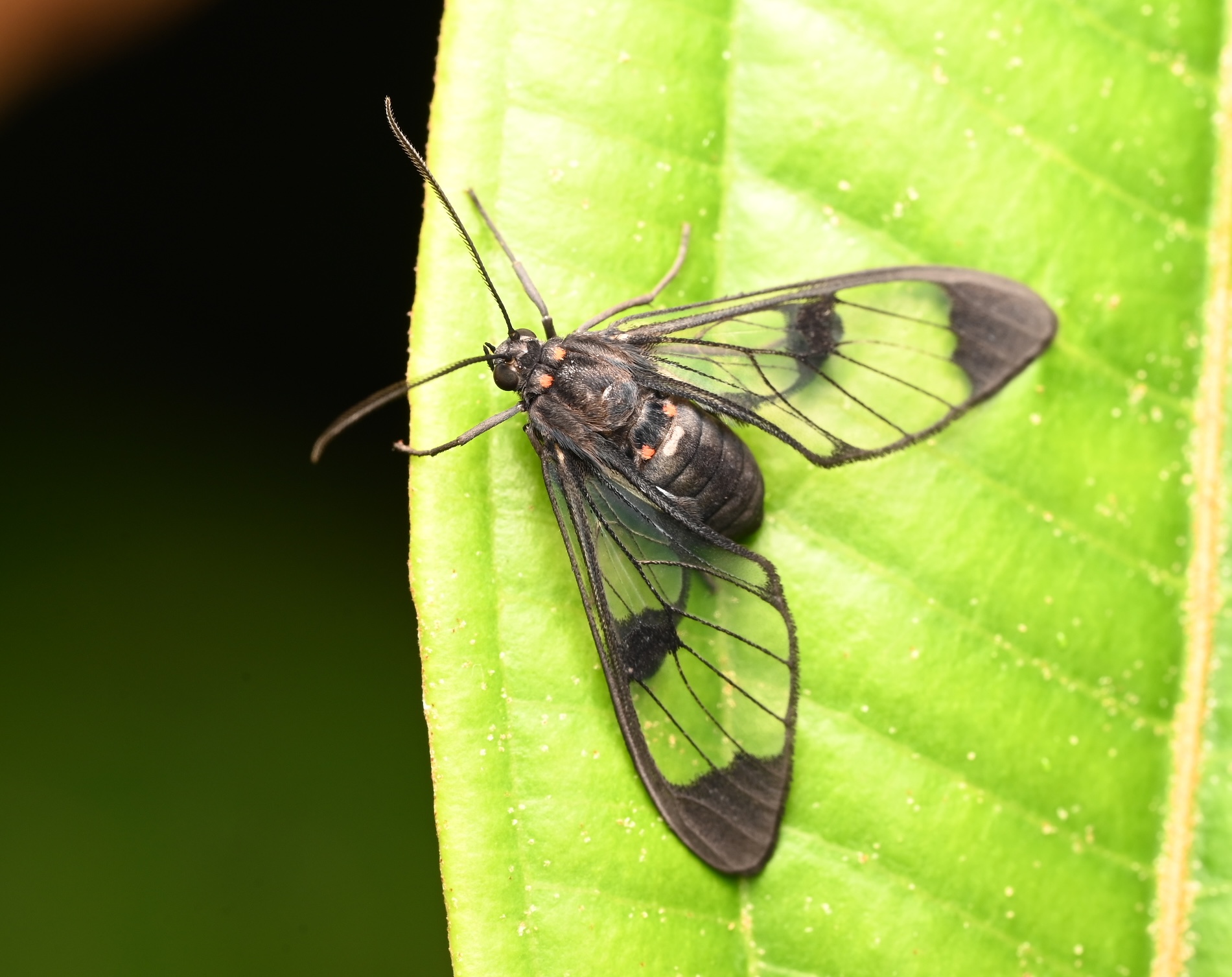
A wasp moth resting on a leaf in the cit...
Bugs_002_m
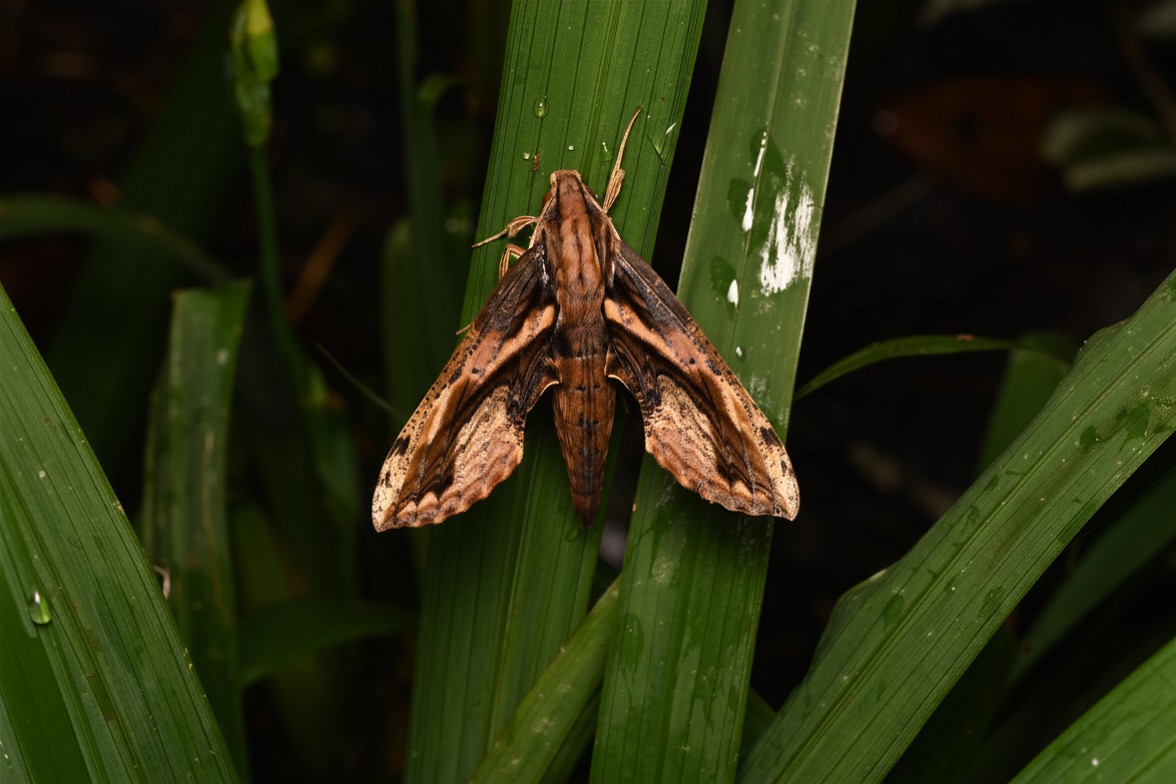
A huge sphinx moth resting during the da...
Photo taken on 31-07-2025 in La Concordia, Ecuador, with the Nikon Z6-II camera and Nikon Z MC 105mm f2.8 VR S lens and following settings: f18, 1/200, ISO 320.
A small wasp moth found in a protected r...
Fotografía tomada el 31-07-2024 en La Concordia, Ecuador, con la cámara Nikon Z6-II y el objetivo Nikon Z MC 105mm f2.8 VR S, con los siguientes ajustes: f14, 1/100, ISO 200.
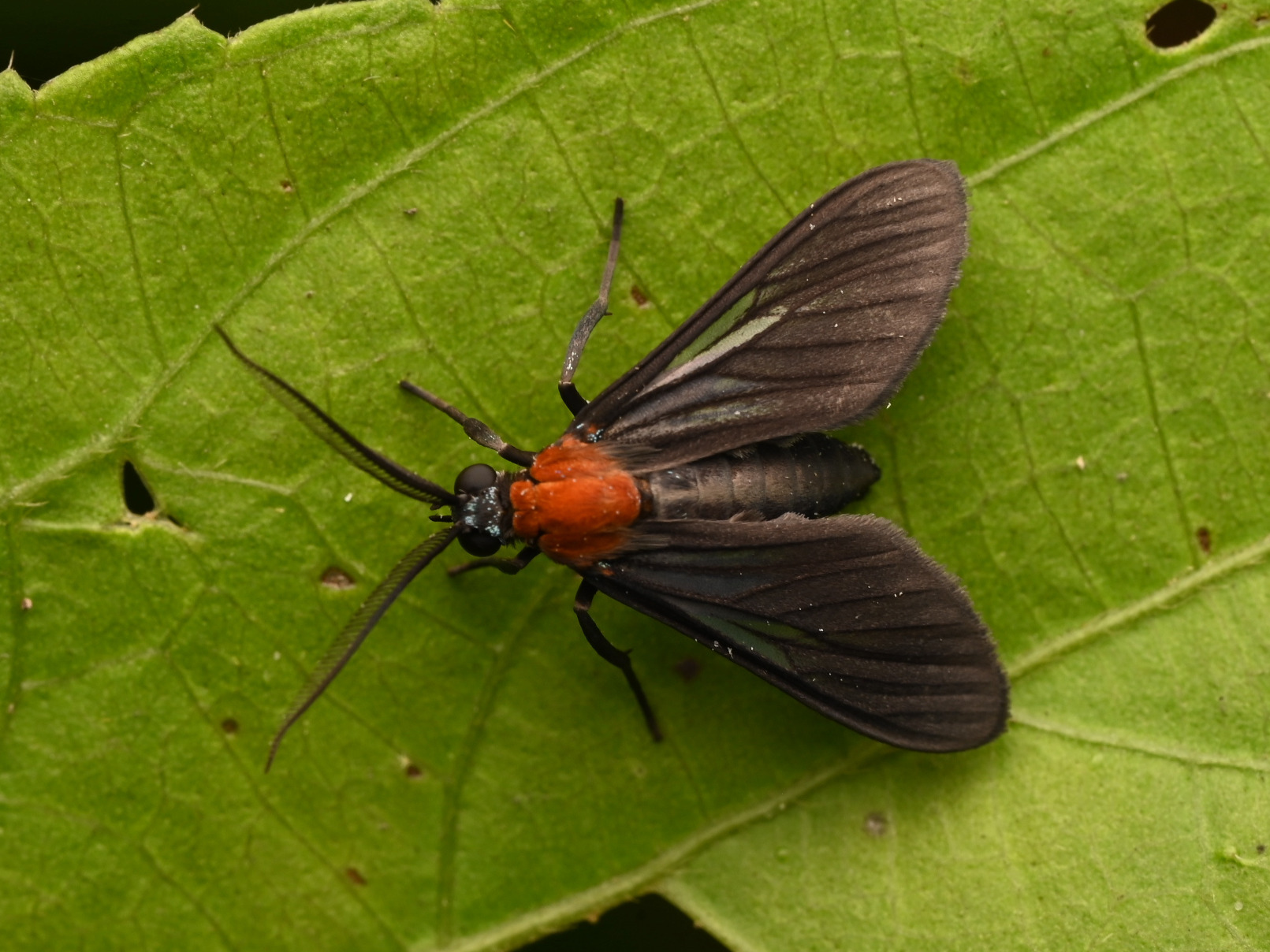
A vibrantly coloured wasp moth found in ...
Scroll to Top

This website contains photos of spiders

Would you prefer not to see spiders?