Nature’s macabre masterpiece: Meeting the tarantula hawk of Ecuador

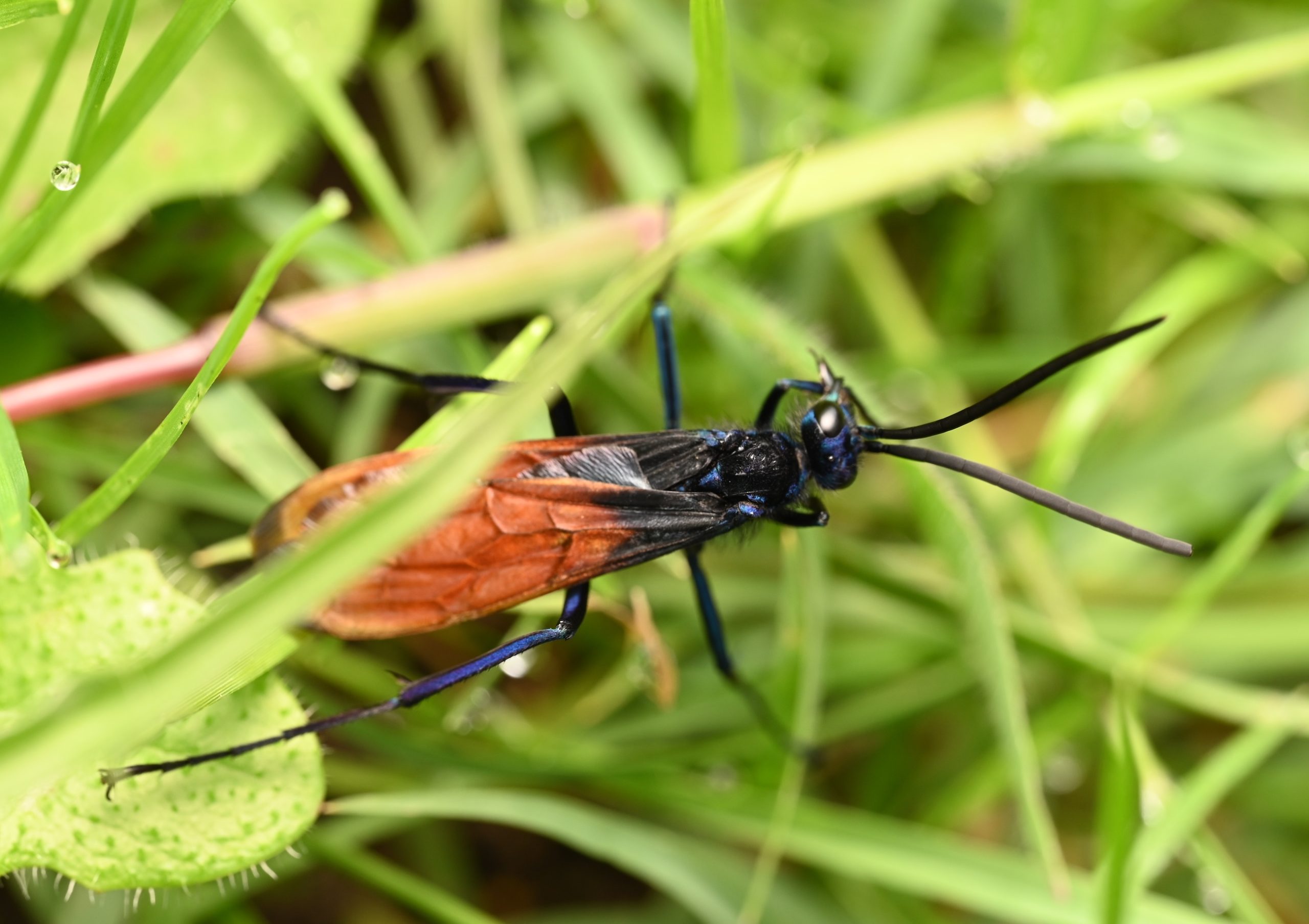
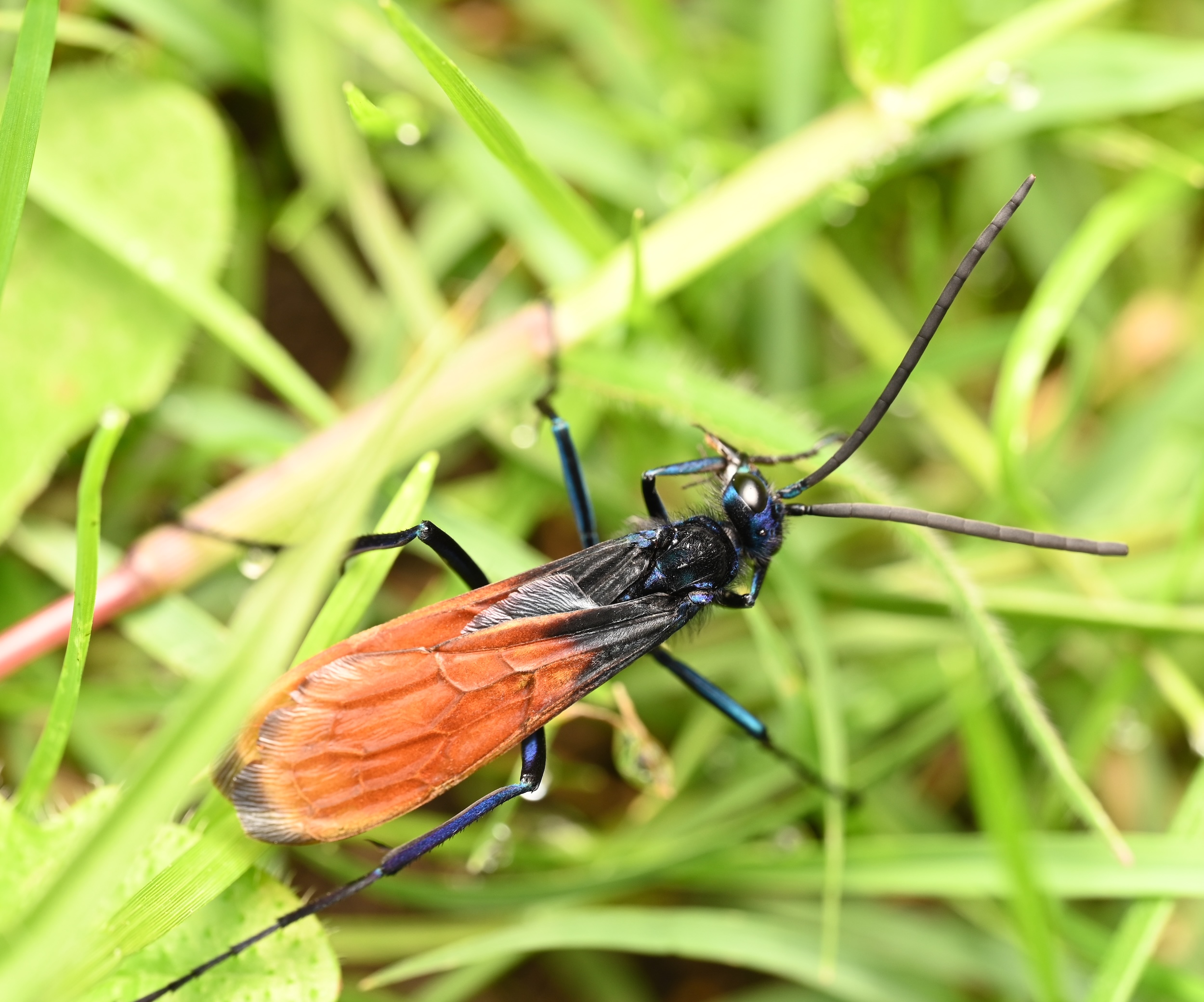
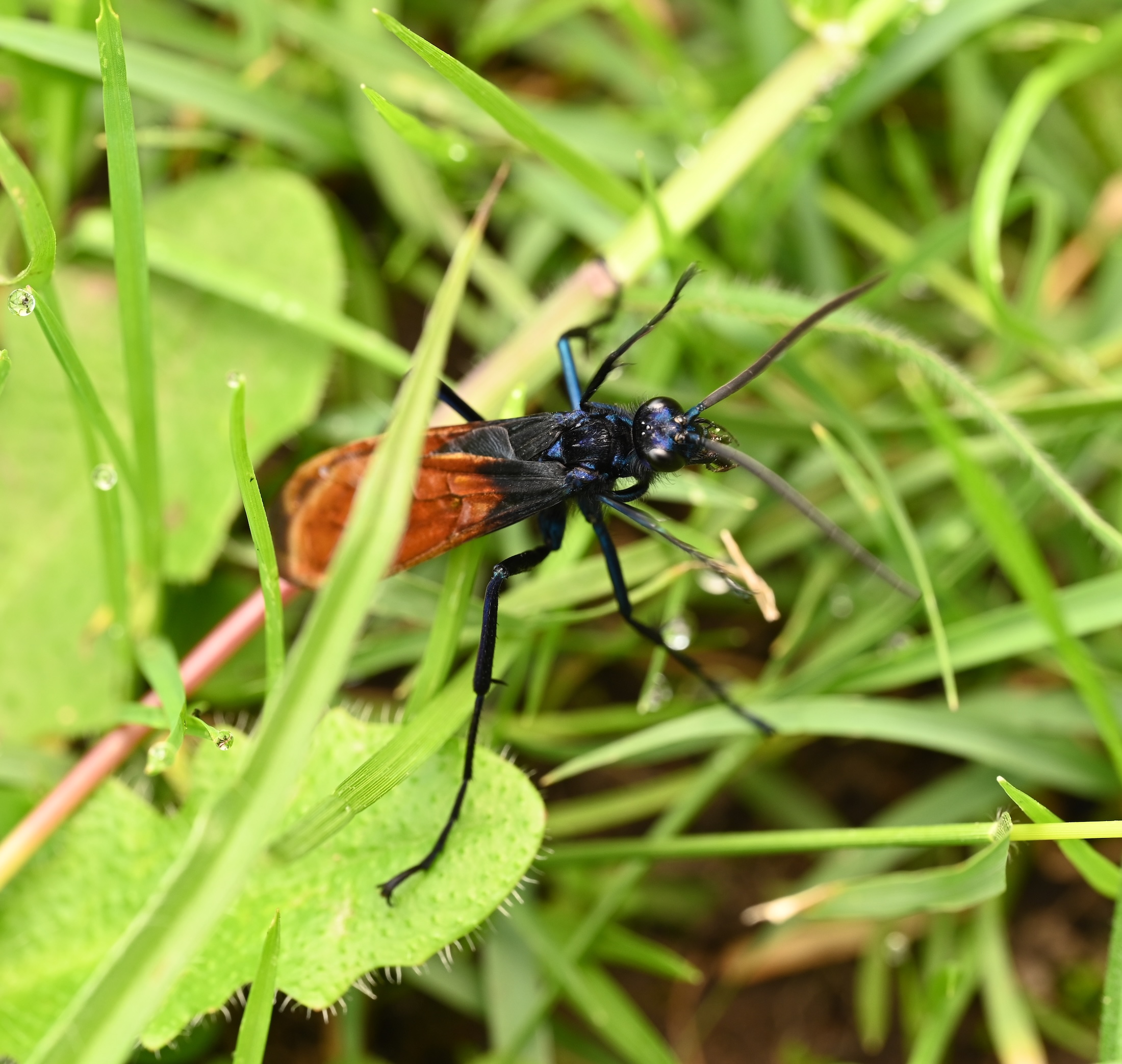
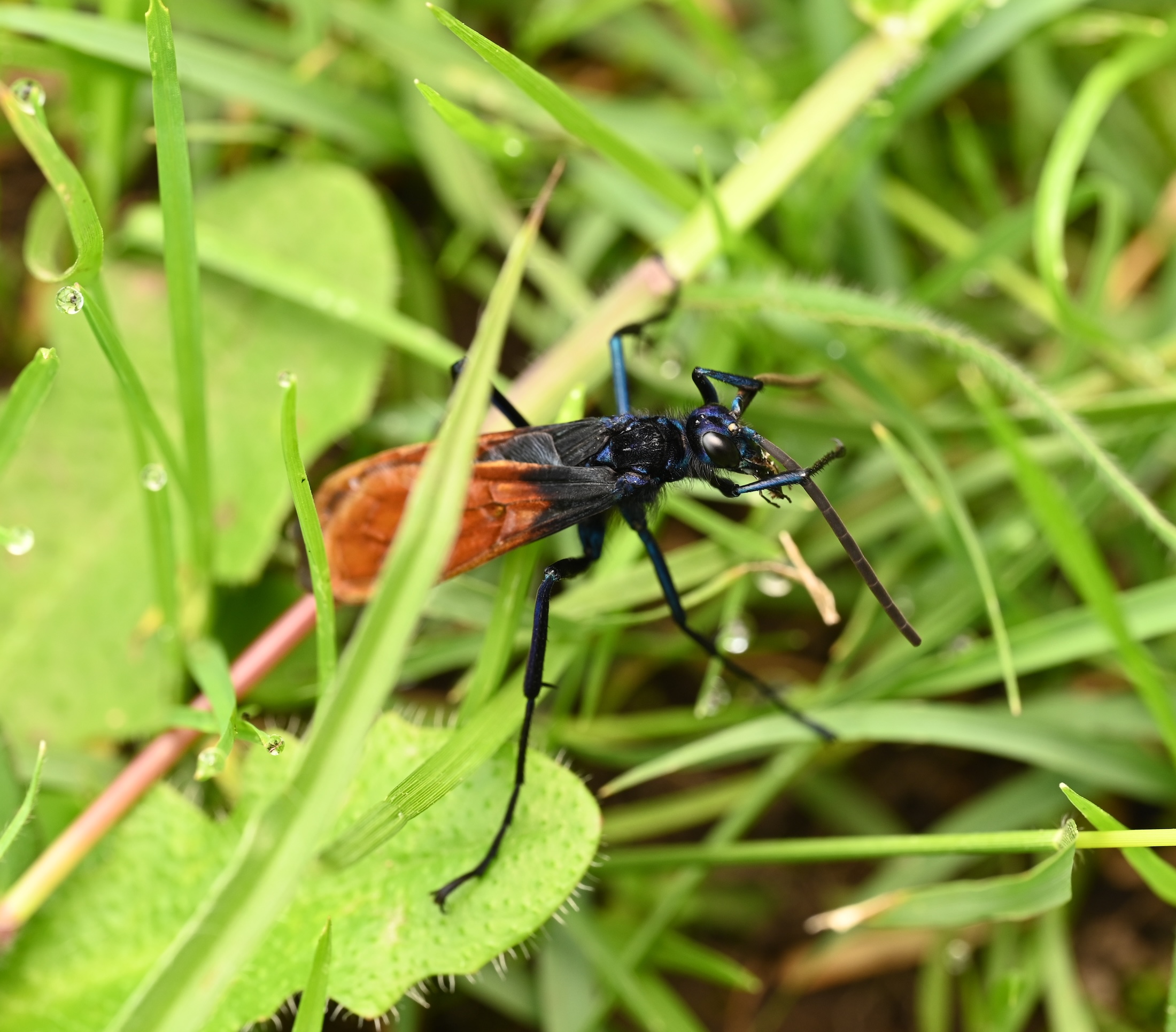
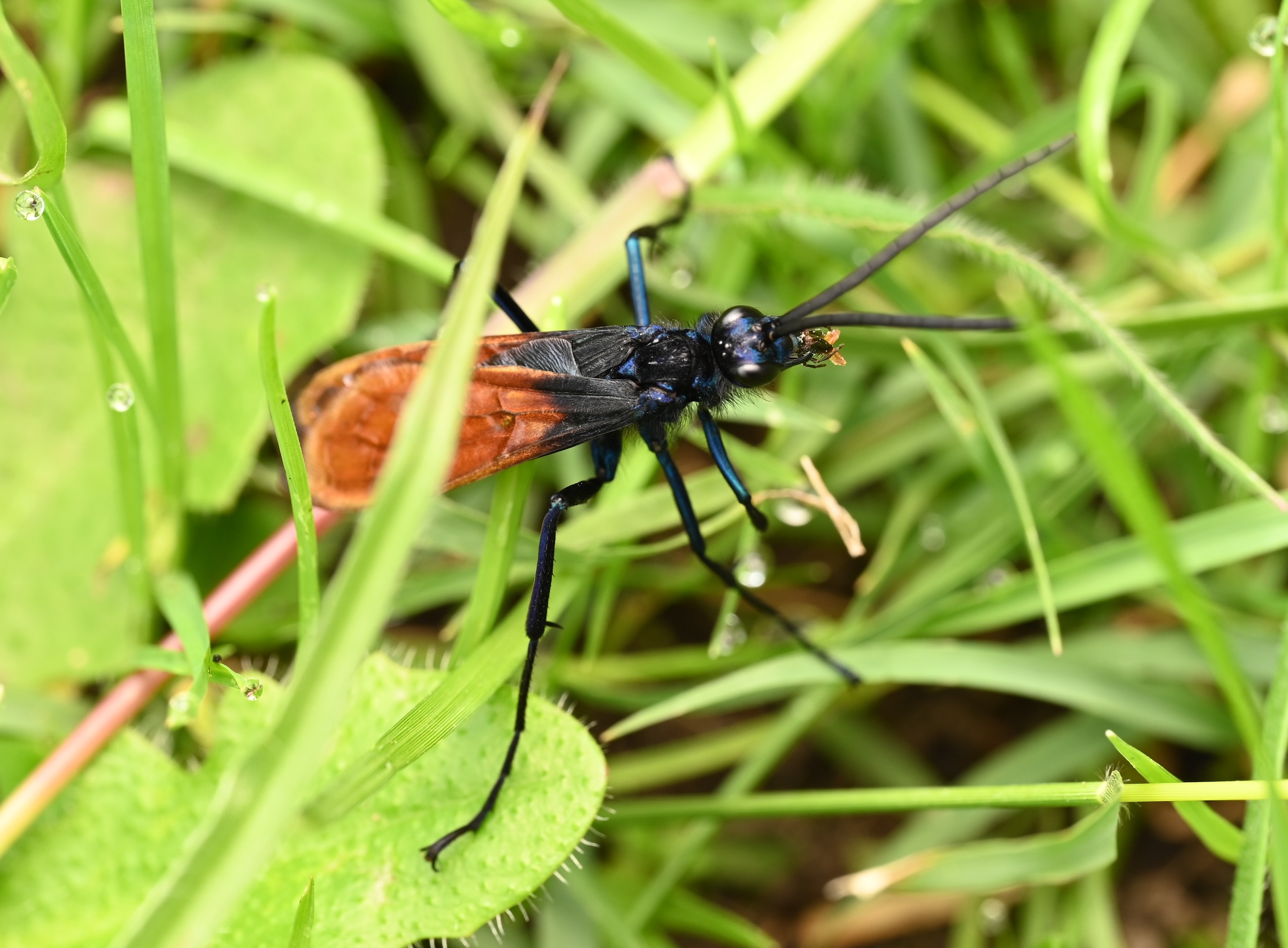
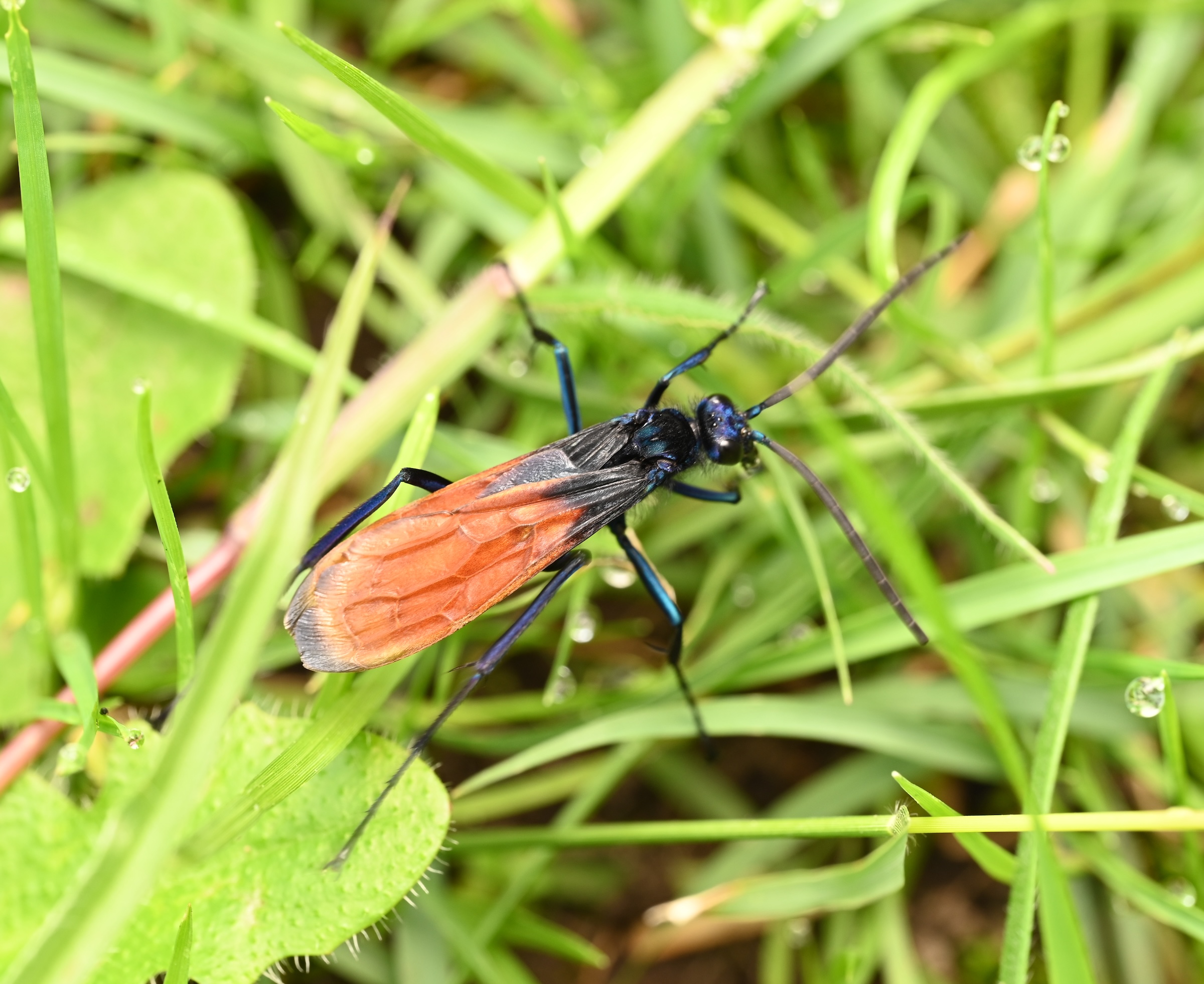
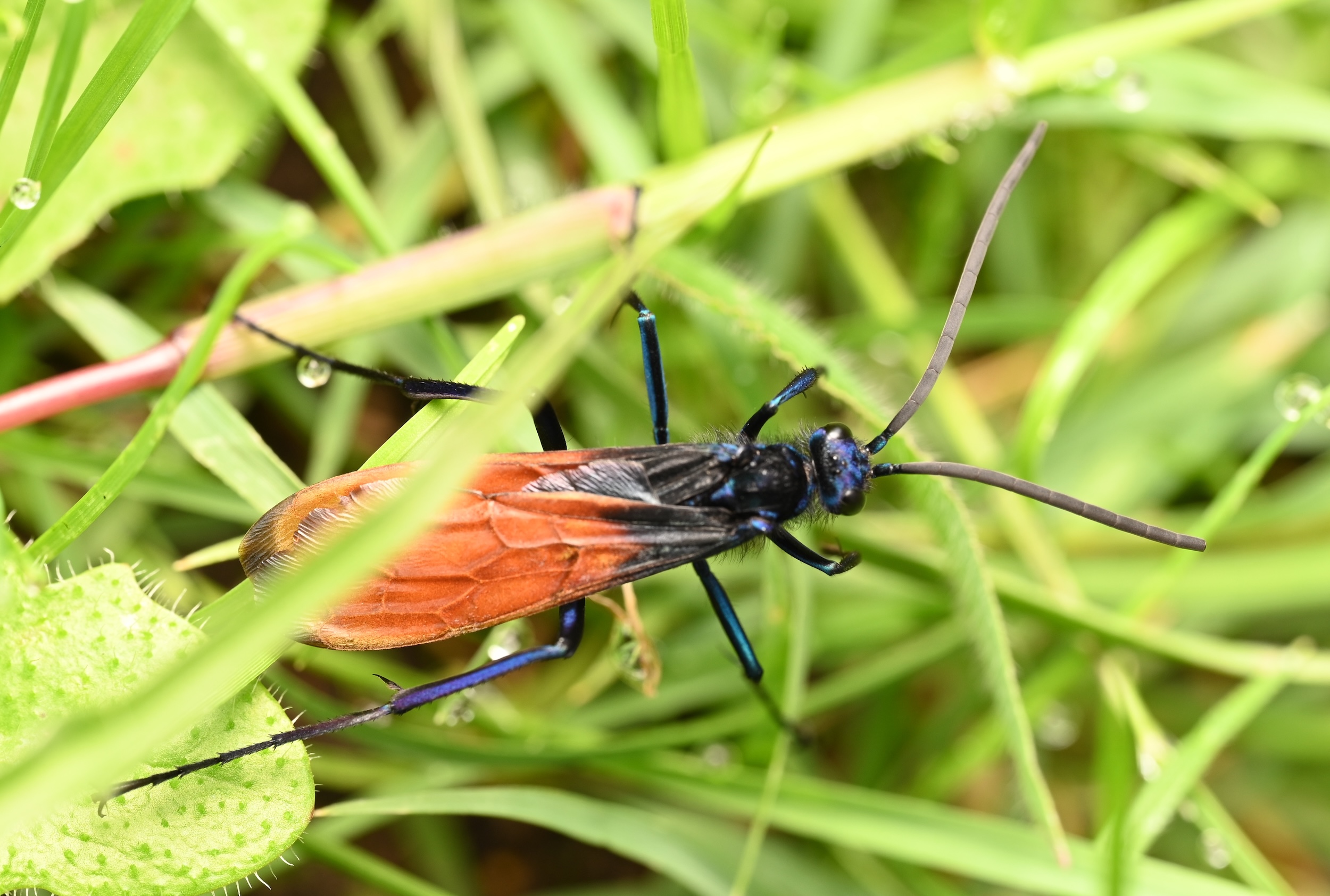
This tarantula hawk wasp (likely Pepsis grossa) is a massive spider wasp (family: Pompilidae) famous for its blindingly painful sting and gruesome, parasitic life cycle. Female wasps use their stinger to permanently paralyze tarantulas—prey several times their own size—before dragging them into a burrow. There, the wasp lays a single egg on the tarantula’s abdomen and seals the chamber. Once it hatches, the larva burrows inside the spider to feed on its tissues, deliberately avoiding vital organs to keep the host alive for several weeks until pupation. To deter predators, the wasp displays aposematic (warning) coloration: a steel-blue to blue-black body contrasted by striking, rust-orange wings. Any predator or careless human who ignores this warning will instantly regret it; rated a maximum 4.0 on the Schmidt Sting Pain Index, its sting is second only to the bullet ant. Justin Schmidt famously described the pain as “blinding, fierce, shockingly electric,” advising victims to simply lie down and scream. I encountered this beautiful wasp, completely unaware of its macabre habits, in the protected forest of La Perla on the coast of Ecuador.
Leave a Comment

Your email address will not be published. Required fields are marked *

Latest posts of related arthropods

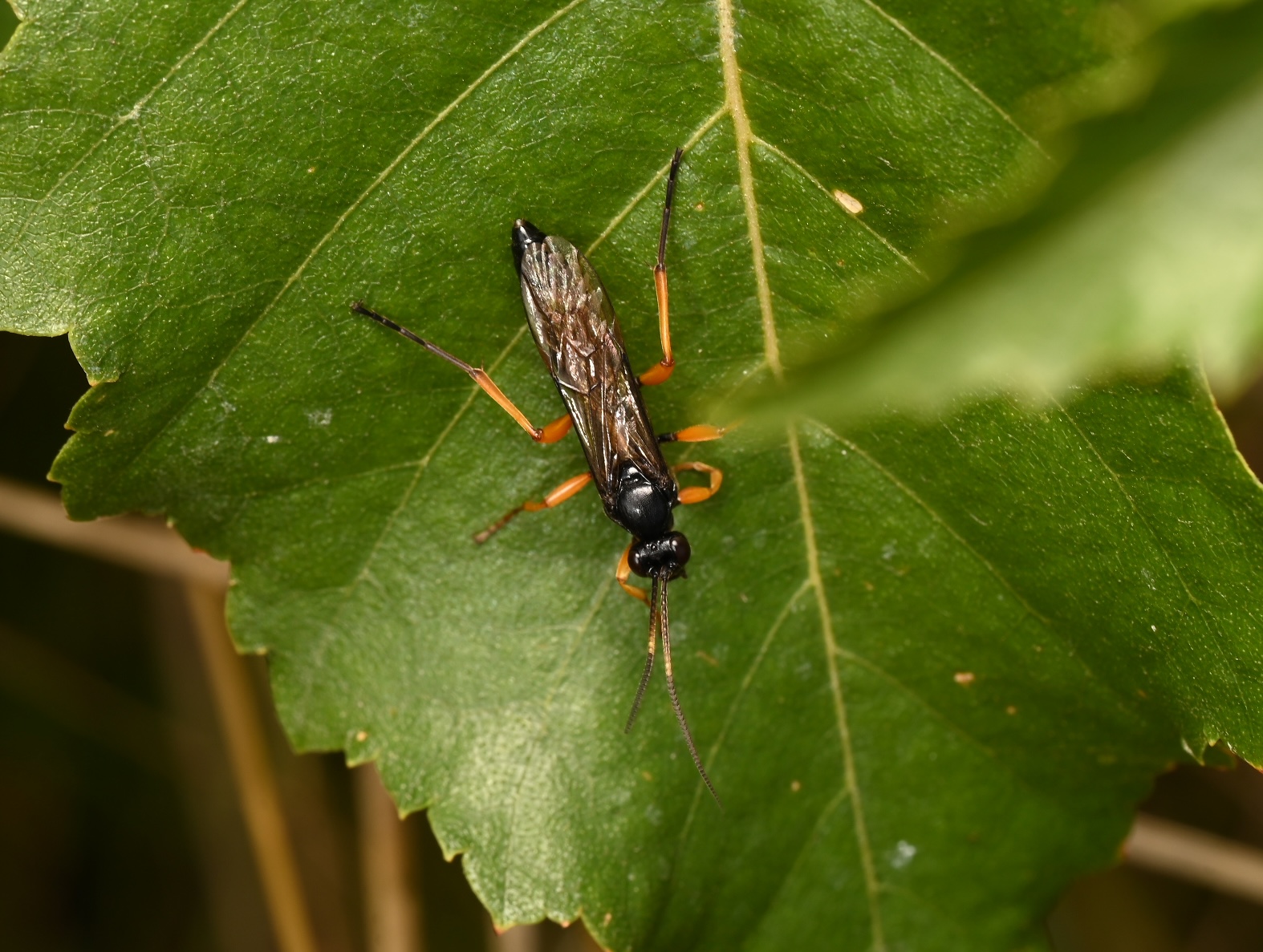
Photo taken on 22-08-2026 in Barkarby, Sweden, with the Nikon Z6-II camera and Nikon Z MC 105mm f2.8 VR S lens and following settings:  f11, 1/200, ISO 250.
Lemon stripes and nighttime grazers: Mee...
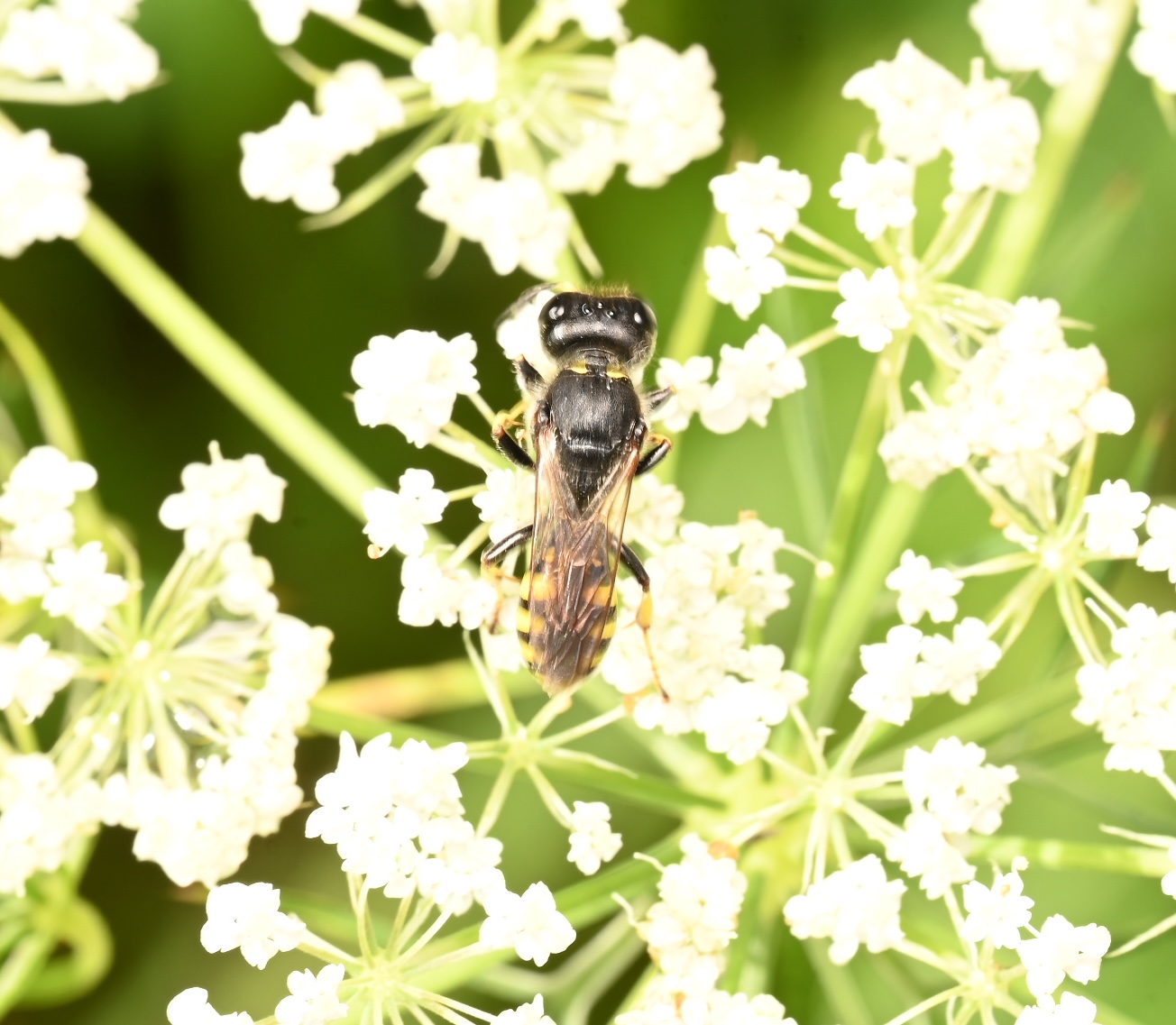
Photo taken on 05-09-2026 in Barkarby, Sweden, with the Nikon Z6-II camera and Nikon Z MC 105mm f2.8 VR S lens and following settings: f16, 1/100, ISO 125.
Orange legs and rhythmic dances: Meeting...
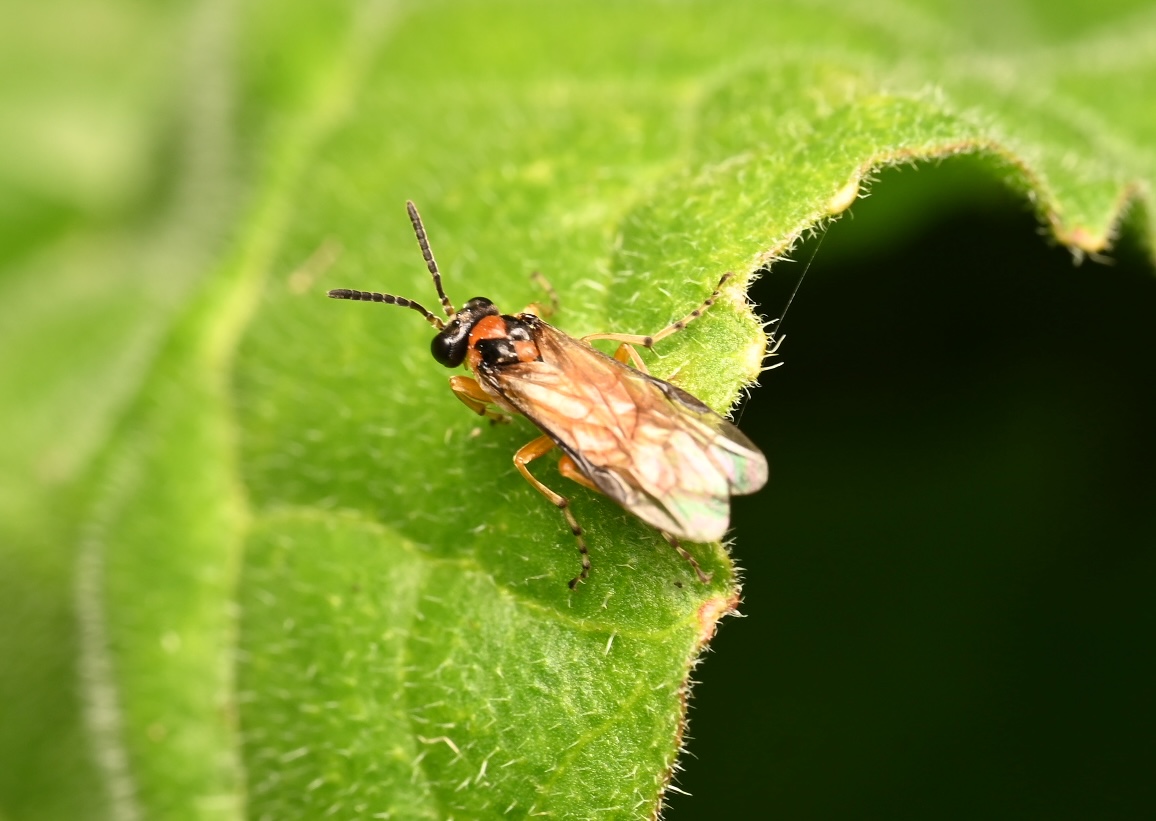
Photo taken on 30-08-2026 in Akalla, Sweden, with the Nikon Z6-II camera and Nikon Z MC 105mm f2.8 VR S lens and following settings: f16, 1/50, ISO 160.
Boxy heads and living larders: Meeting t...
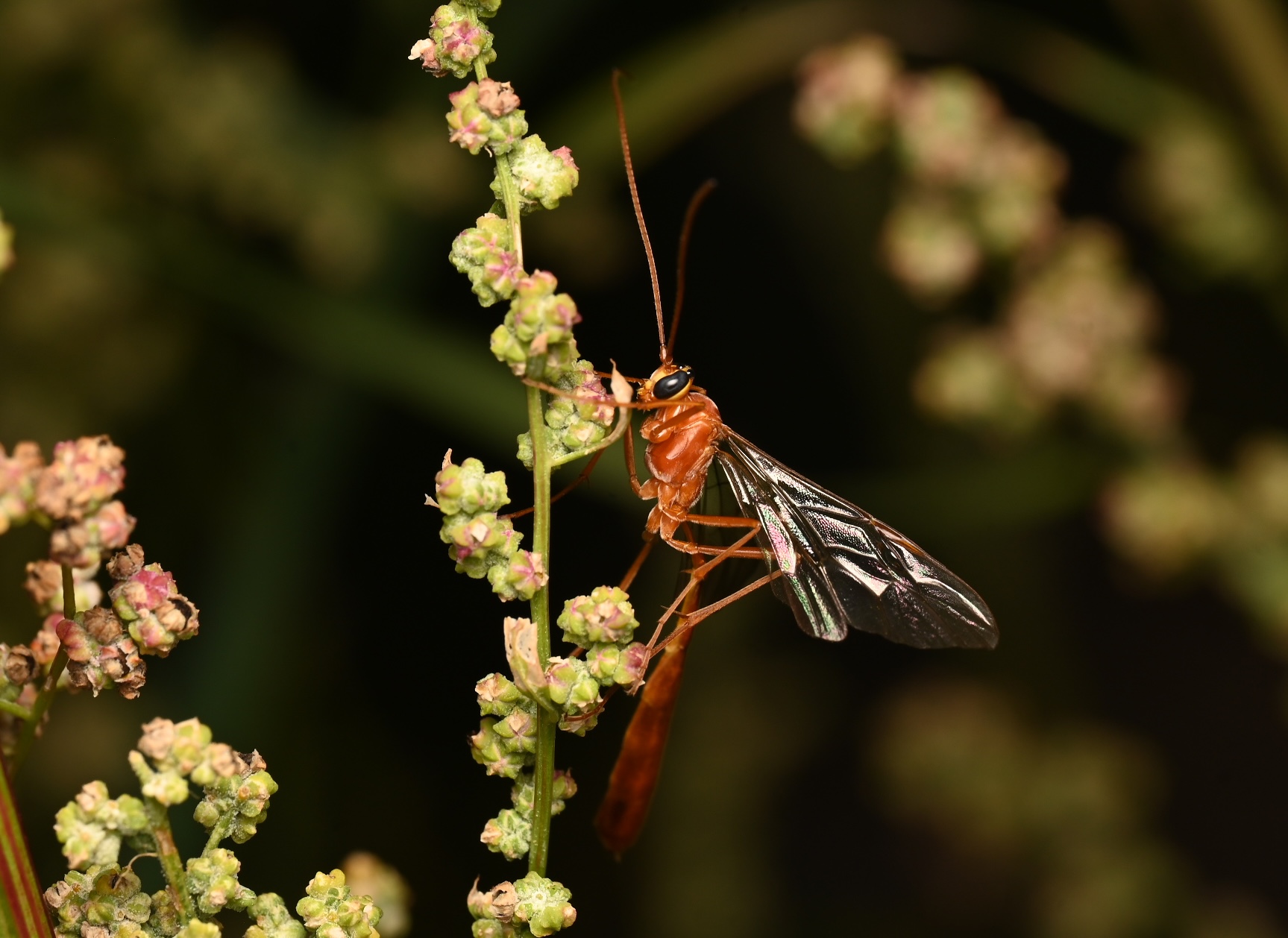
Photo taken on 25-07-2026 in Barkarby, Sweden, with the Nikon Z6-II camera and Nikon Z MC 105mm f2.8 VR S lens and following settings:  f13, 1/200, ISO 200.
Toxic, bitter, and orange: Barkarby enco...
Photo taken on 31-07-2026 in Barkarby, Sweden, with the Nikon Z6-II camera and Nikon Z MC 105mm f2.8 VR S lens and following settings:  f13, 1/200, ISO 200.
Moonlight hunters and sickle tails: Meet...
Photo taken on 19-06-2026 in Töre camping, Sweden, with the Nikon Z6-II camera and Nikon Z MC 105mm f2.8 VR S lens and following settings:  f13, 1/200, ISO 100.
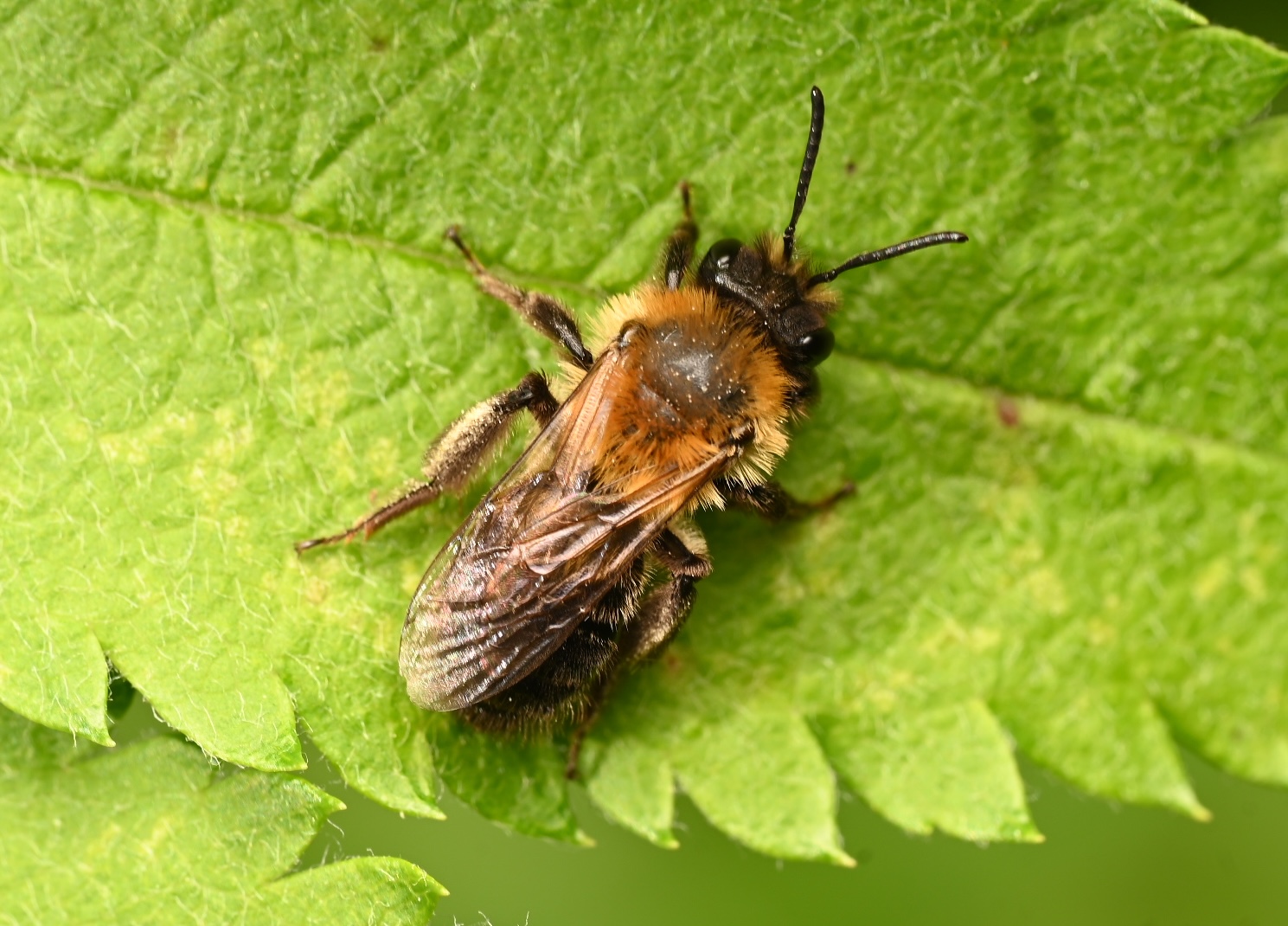
Subterranean drama: The foxy-brown minin...
Scroll to Top

Would you prefer to hide close-up spider photos?
Wolisz ukryć zdjęcia pająków?
¿Ocultar fotos de arañas en primer plano?