Biting for backup: The wasp colony that makes honey and fights dirty

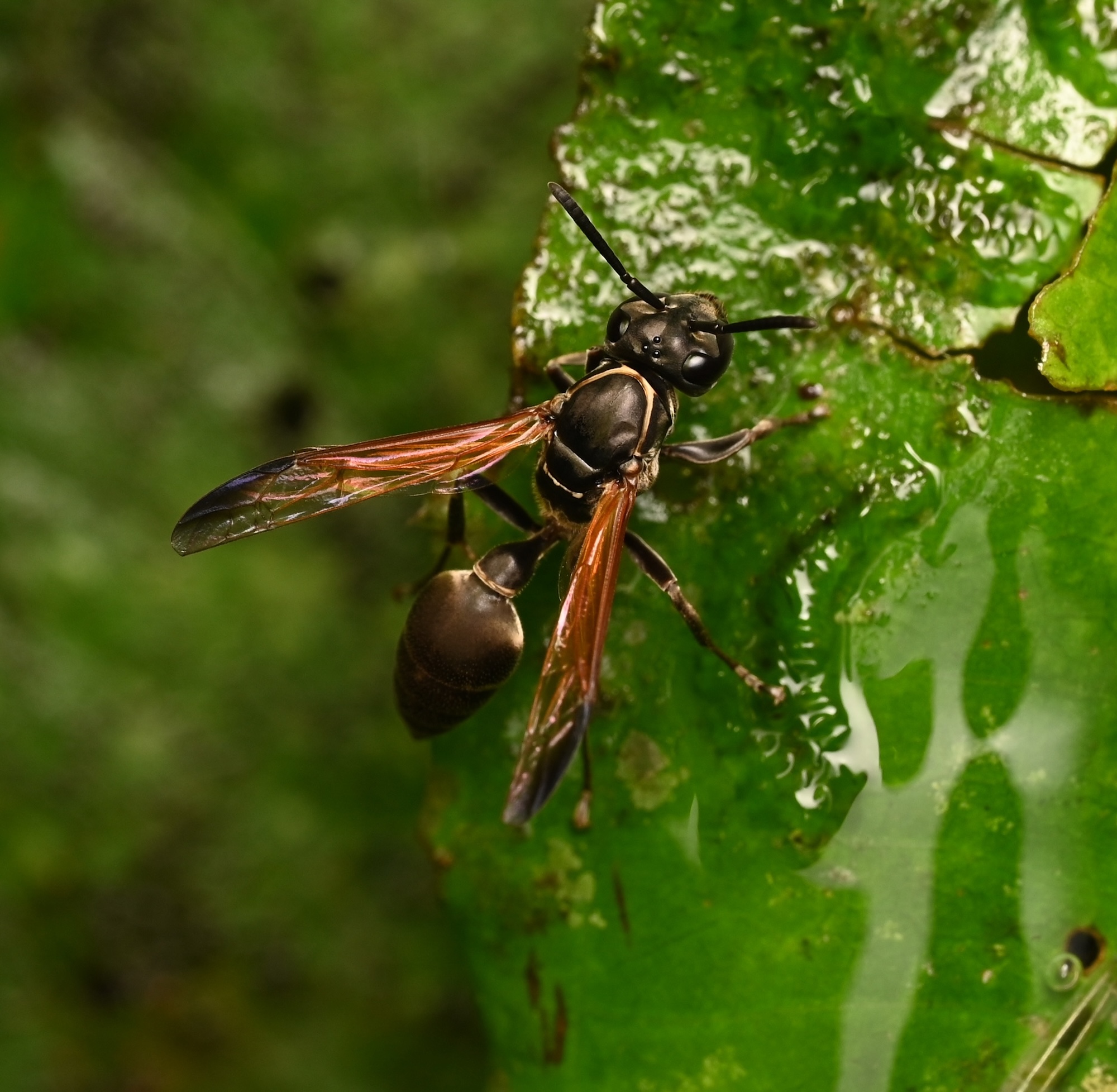
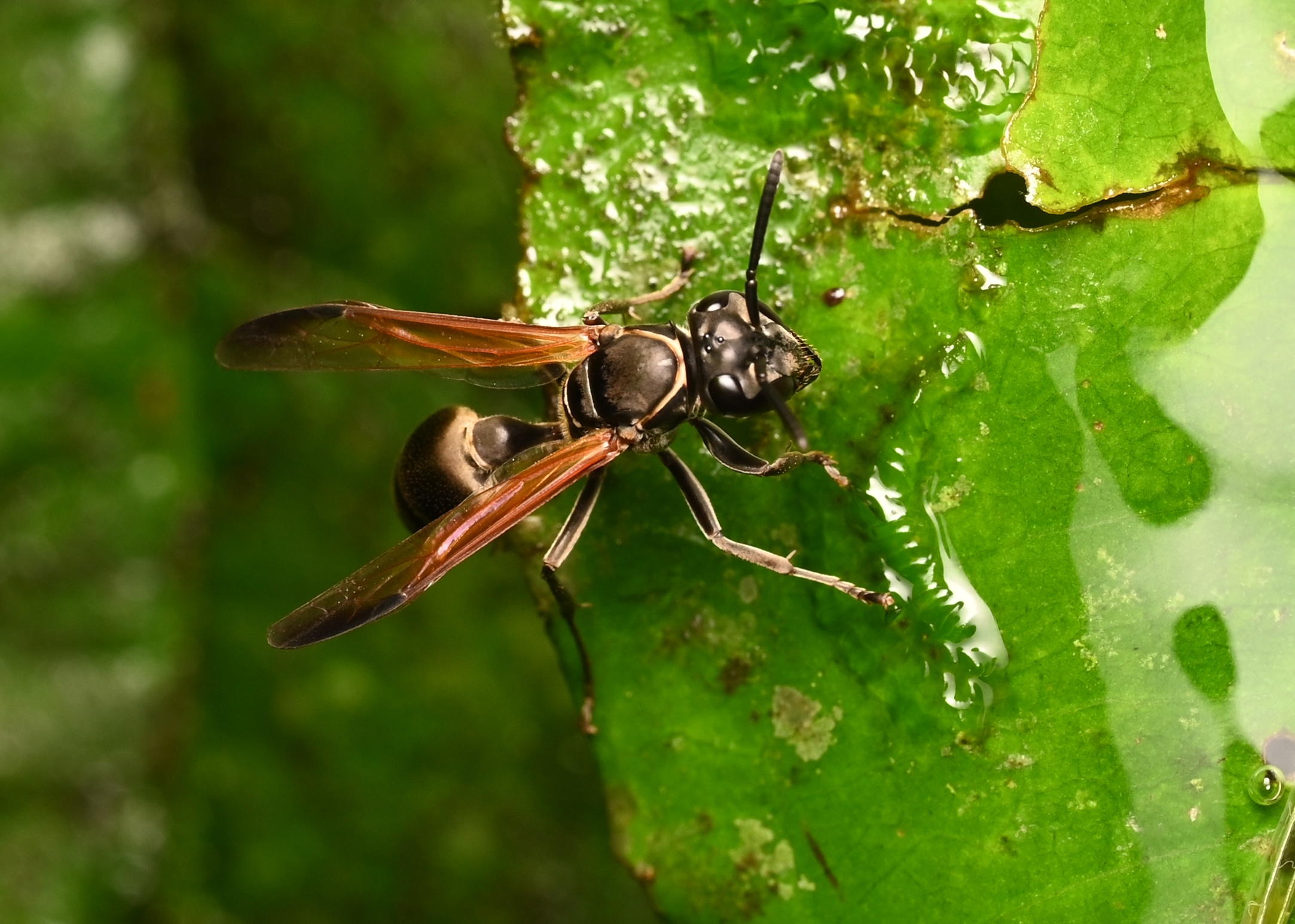
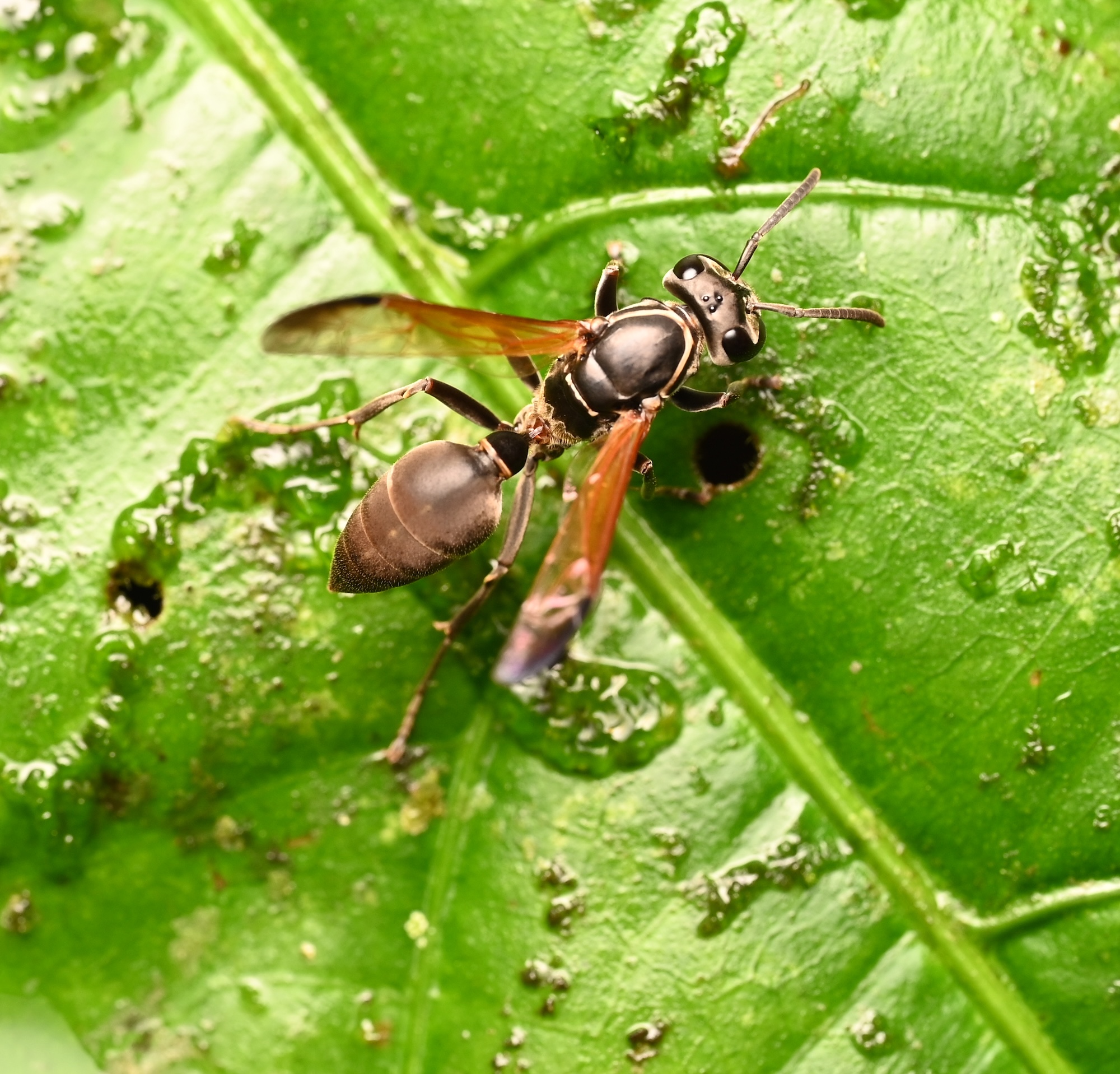
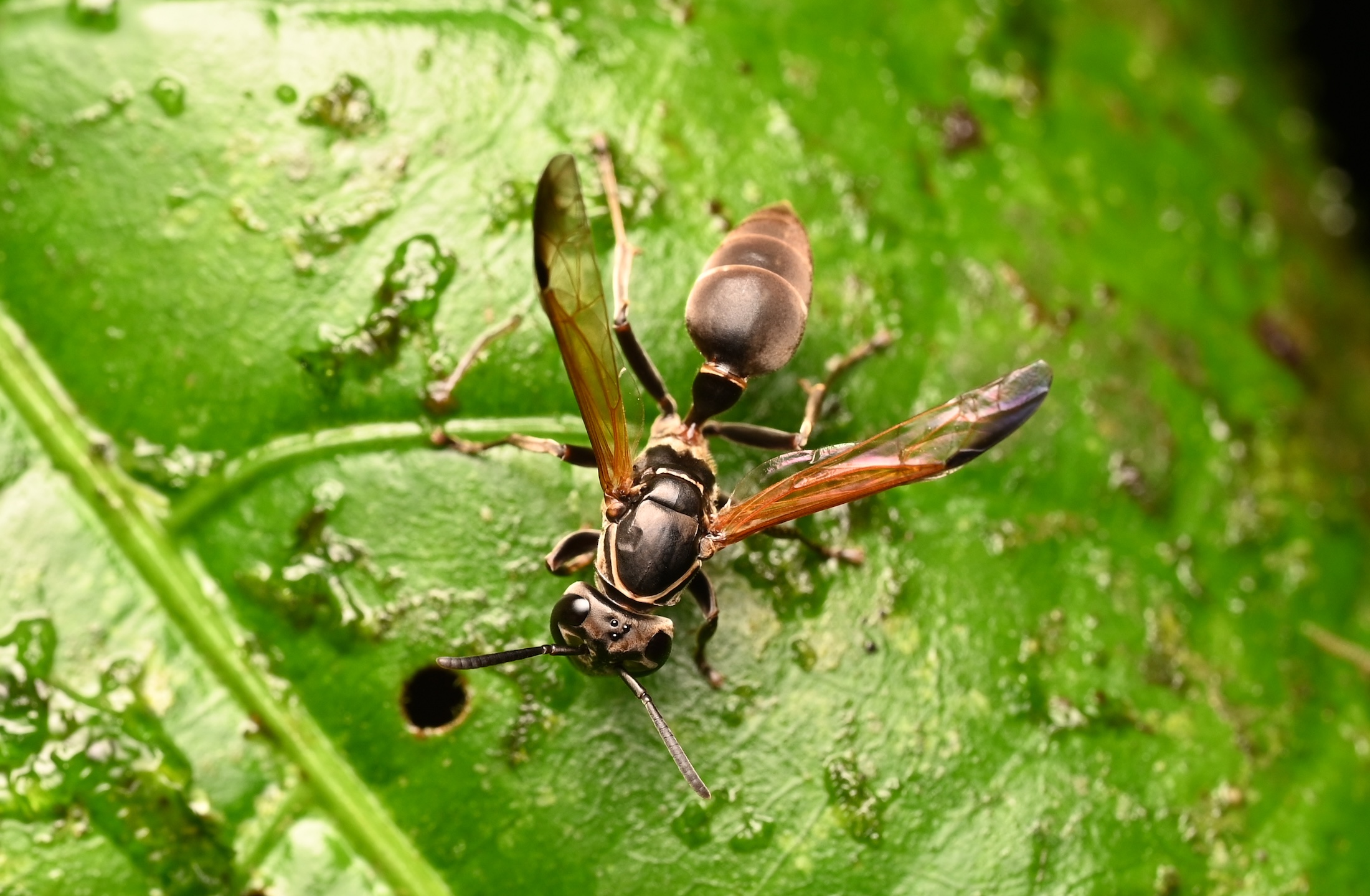
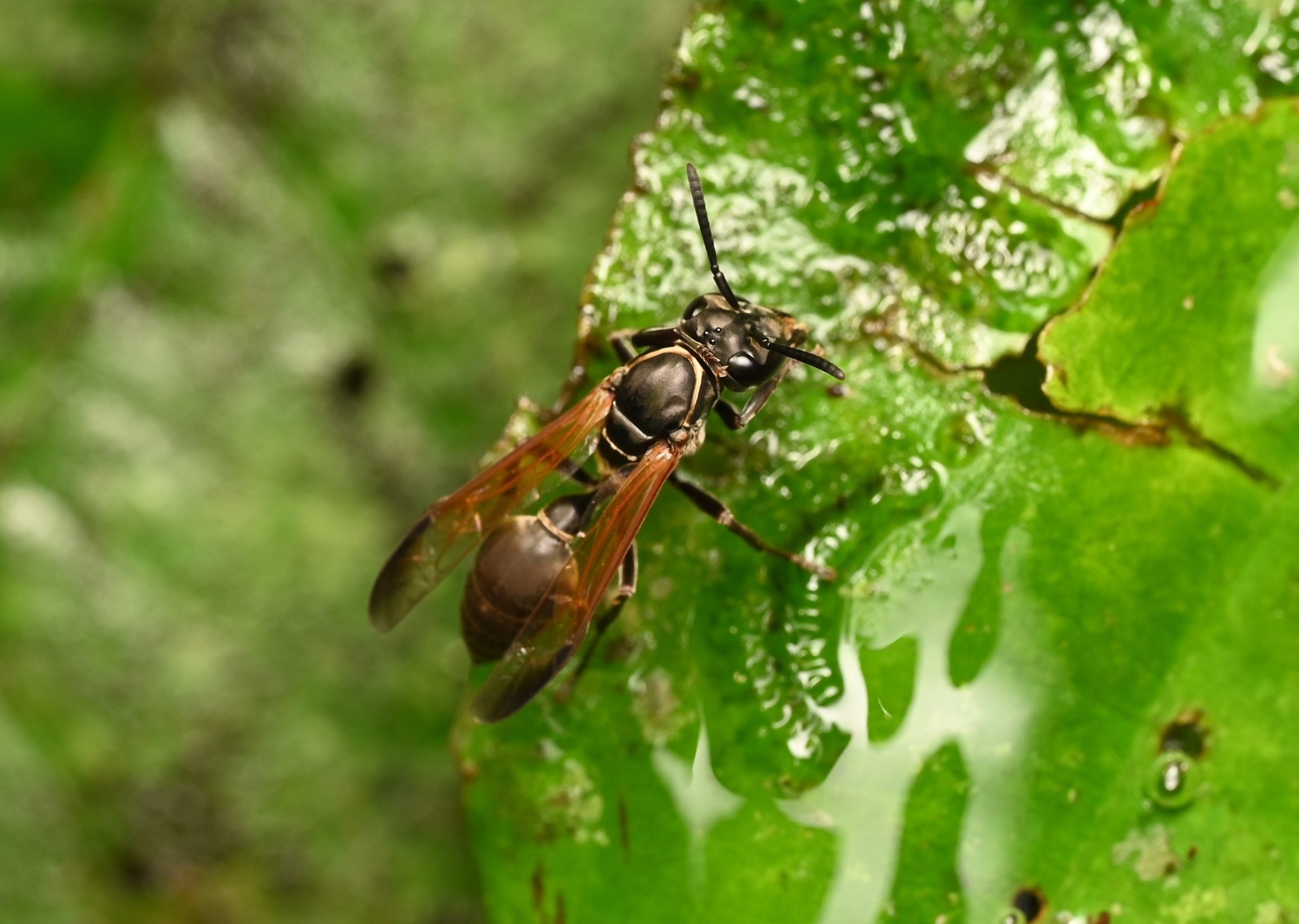
Say hello to the genus Polybia—commonly known as “long-waisted honey wasps”—a group of Neotropical swarm-founding wasps native to Central and South America. Breaking the typical wasp mold, many Polybia species actually produce and store edible honey, which has been traditionally harvested by indigenous rainforest communities for centuries. They live in massive colonies, constructing architectural marvels: large, multi-tiered, teardrop-shaped paper nests. When their home is threatened, workers don’t just buzz around; they vigorously recruit nestmates to the frontline by literally biting their fellow colony members! These wasps run a highly organized society with strict task partitioning based on age and experience. Younger wasps handle safe, indoor chores like nursing larvae and nest upkeep, while the older, seasoned veterans take on the high-risk exterior duties of foraging and defense. Furthermore, when it’s time to expand, they don’t rely on a single lonely queen. Instead, massive swarms of multiple queens and workers depart together to launch a brand-new outpost. I observed these fascinating insects defending their territory in the protected forest of La Perla on the coast of Ecuador during one of my very first visits to this incredible place.

Leave a Comment

Your email address will not be published. Required fields are marked *

Latest posts of related arthropods

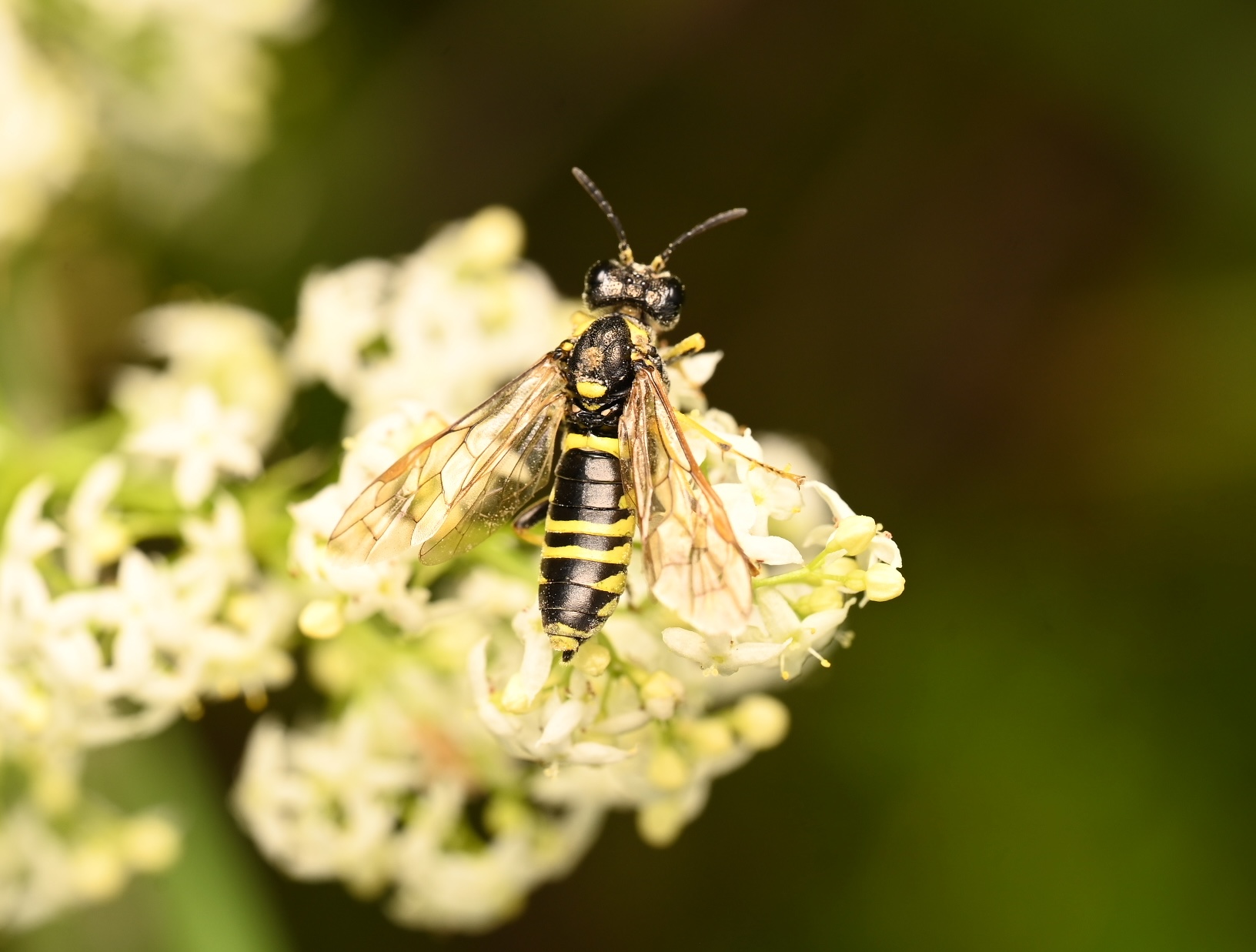
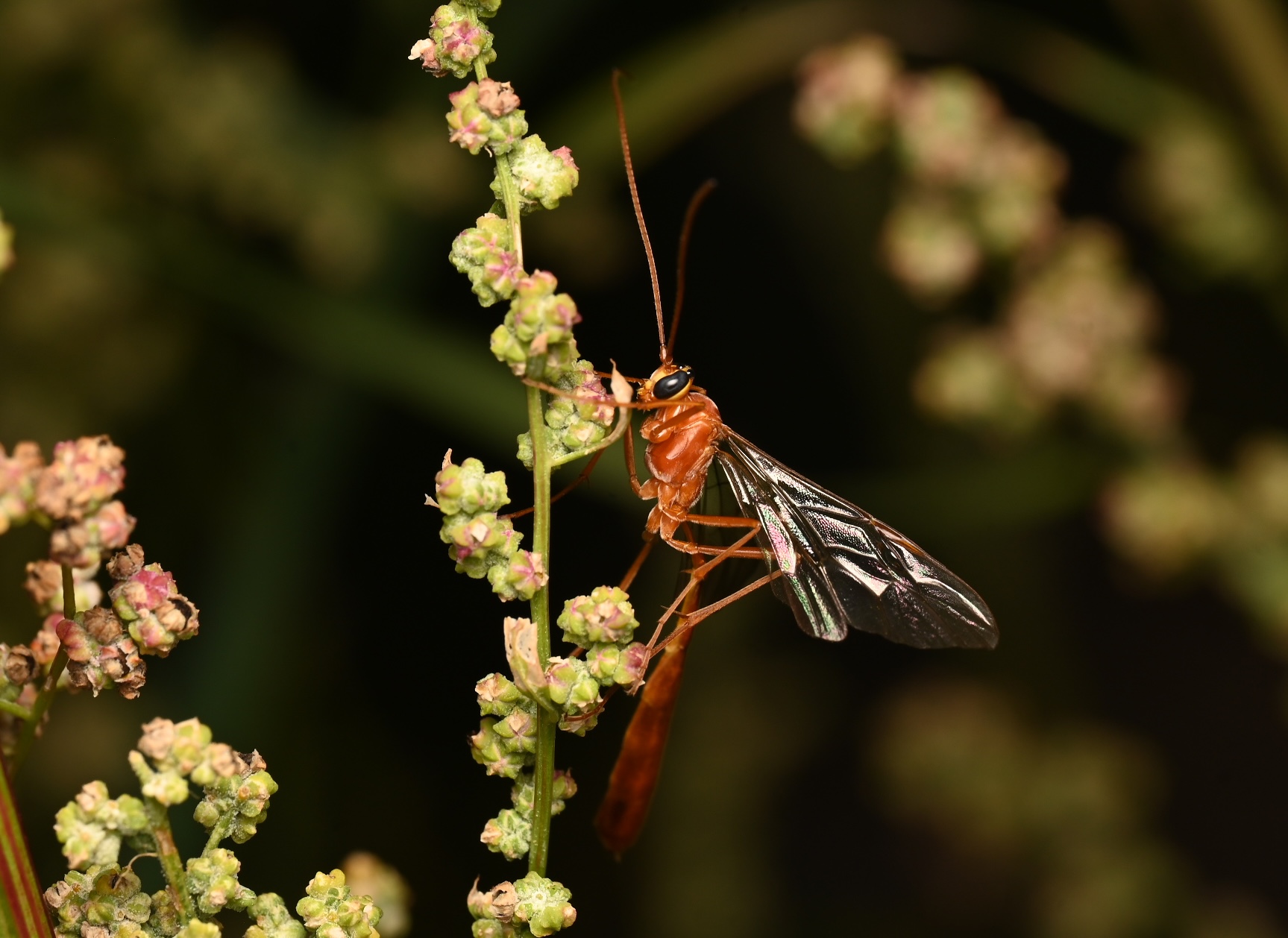
Photo taken on 19-06-2026 in Töre camping, Sweden, with the Nikon Z6-II camera and Nikon Z MC 105mm f2.8 VR S lens and following settings:  f13, 1/200, ISO 100.
Subterranean drama: The foxy-brown minin...
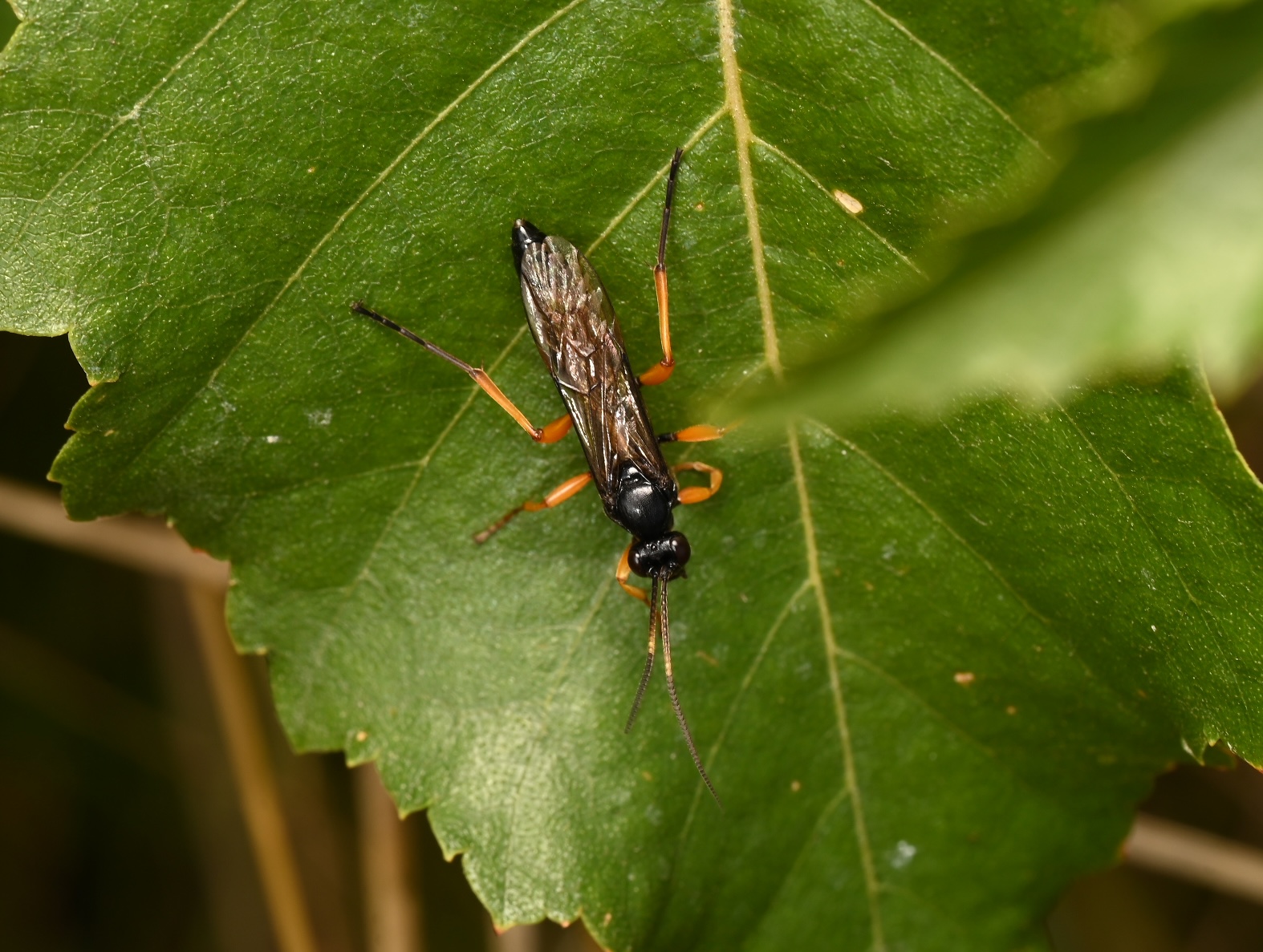
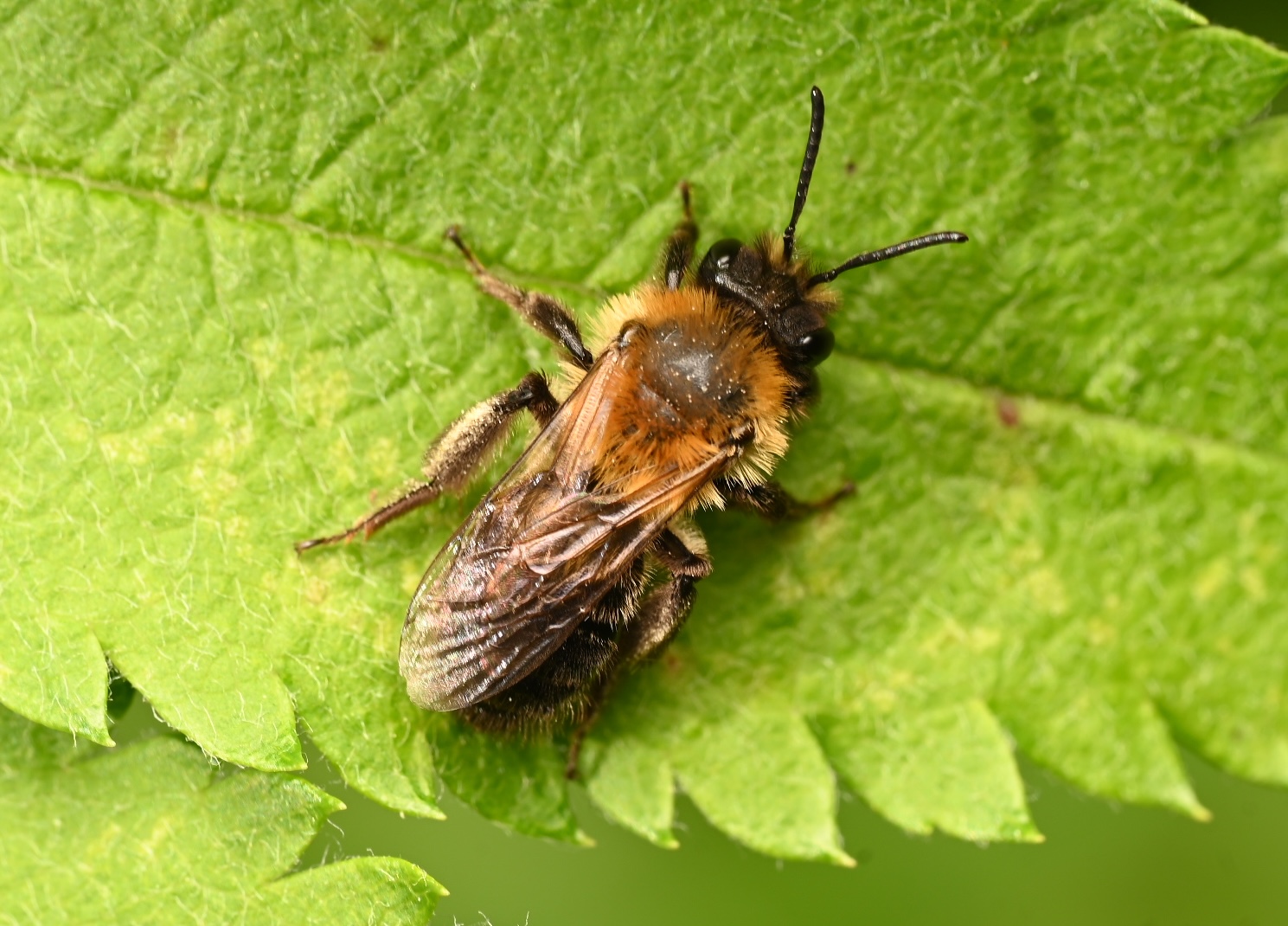
Photo taken on 13-06-2026 in Bergsjo, Sweden, with the Nikon Z6-II camera and Nikon Z MC 105mm f2.8 VR S lens and following settings:  f13, 1/200, ISO 200.
The green elf of the Swedish woods: Fall...
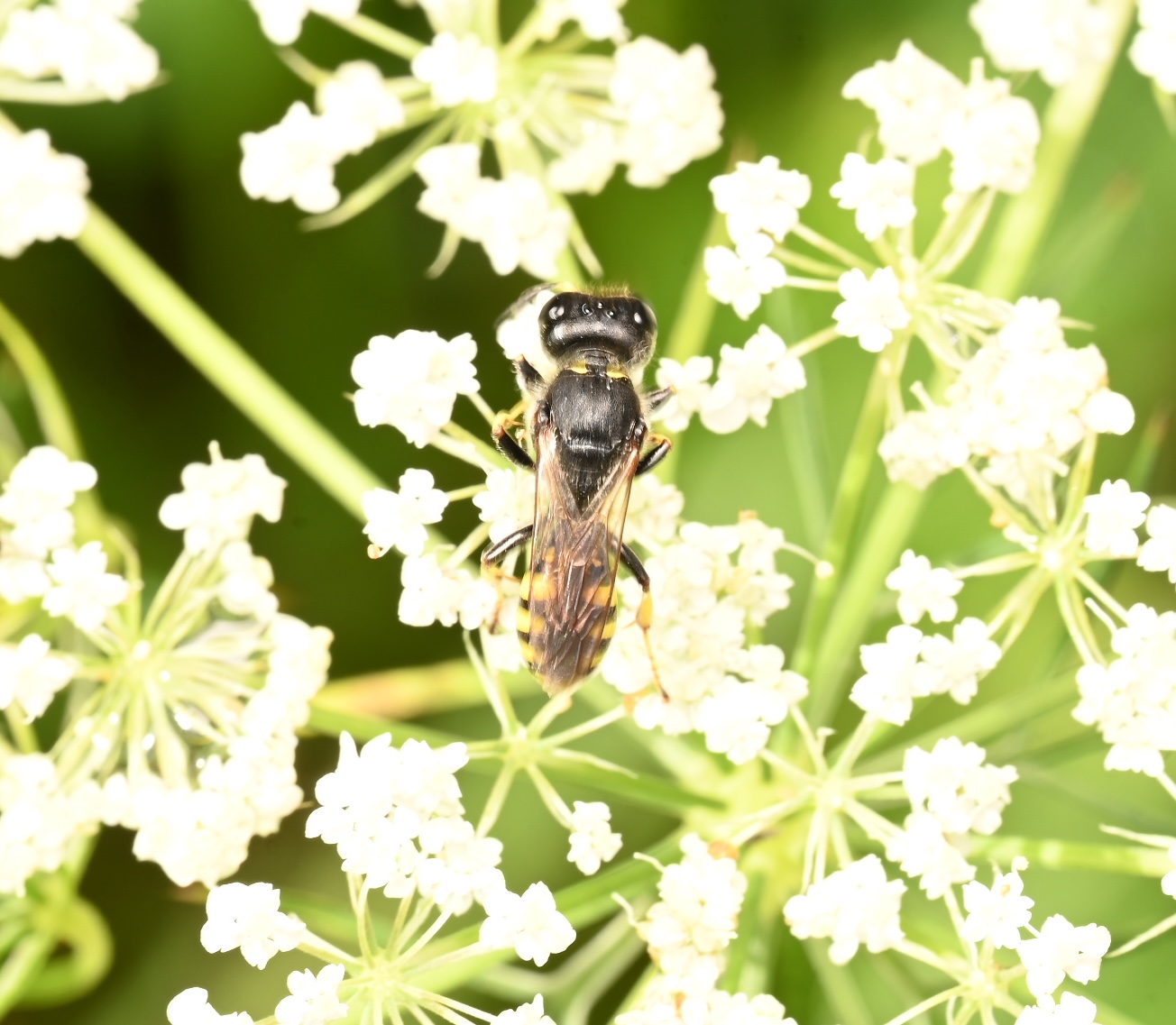
Photo taken on 17-06-2026 in Luleå, Sweden, with the Nikon Z6-II camera and Nikon Z MC 105mm f2.8 VR S lens and following settings:  f16, 1/200, ISO 160.
Wasps in disguise: The gentle, saw-beari...
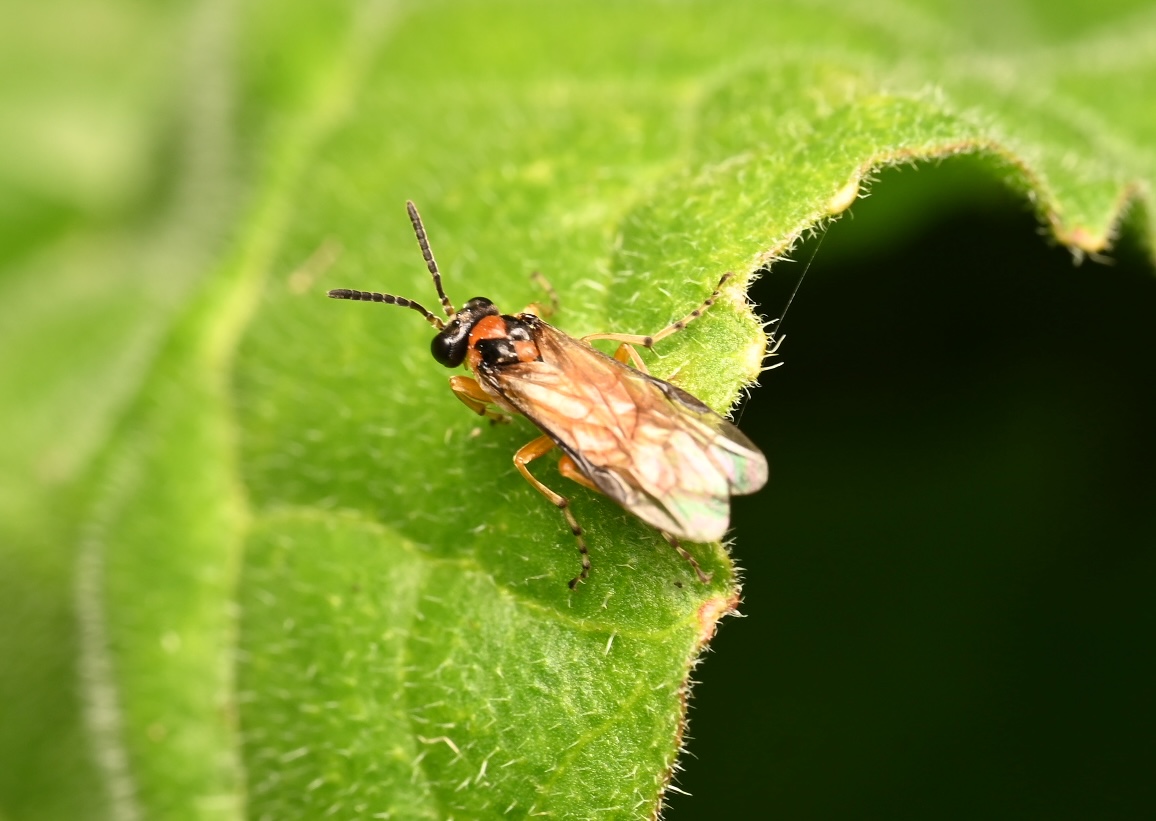
Photo taken on 17-06-2026 in Byske camping, Sweden, with the Nikon Z6-II camera and Nikon Z MC 105mm f2.8 VR S lens and following settings:  f13, 1/200, ISO 160.
Macabre hide and seek: The nightmare dri...
Photo taken on 16-06-2026 in Lufta Camping, Ånäset, Sweden, with the Nikon Z6-II camera and Nikon Z MC 105mm f2.8 VR S lens and following settings:  f13, 1/200, ISO 160.
The long-legged striders of the North: P...
Photo taken on 16-06-2026 in Lufta Camping, Ånäset, Sweden, with the Nikon Z6-II camera and Nikon Z MC 105mm f2.8 VR S lens and following settings:  f14, 1/200, ISO 160.
Mistaken identity: Discovering a rare sp...
Scroll to Top

This website contains photos of spiders

Would you prefer not to see spiders?