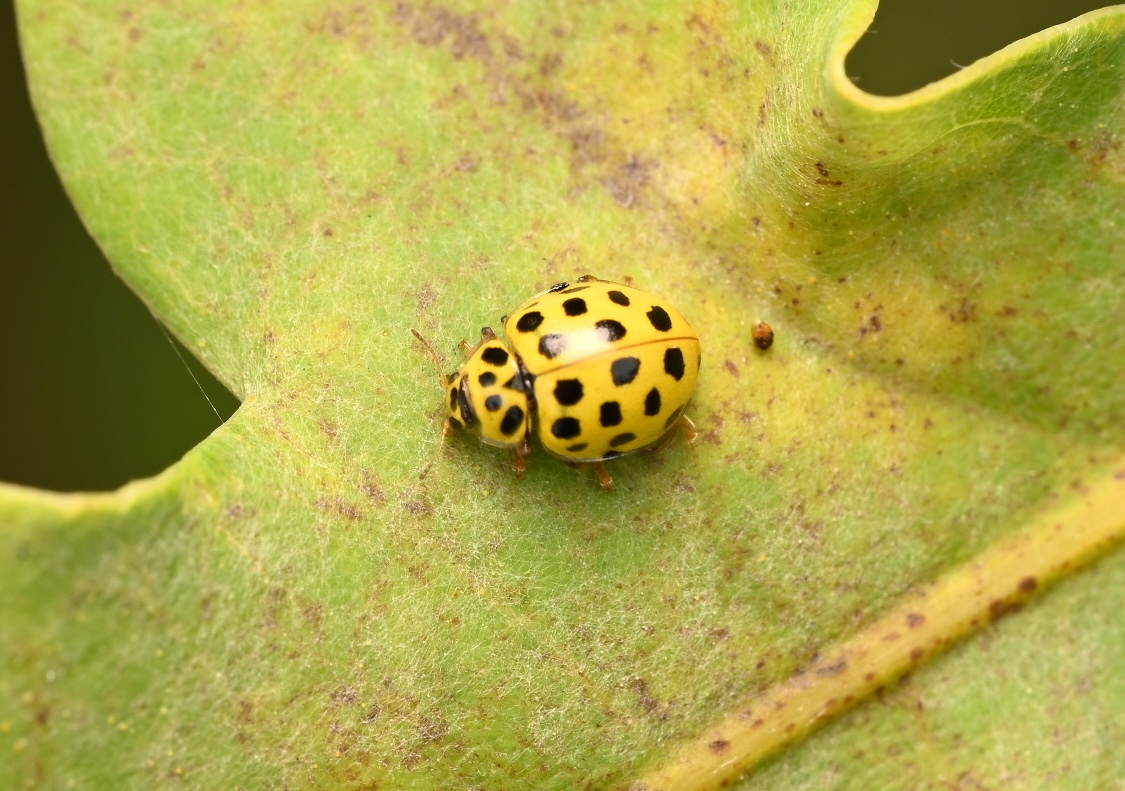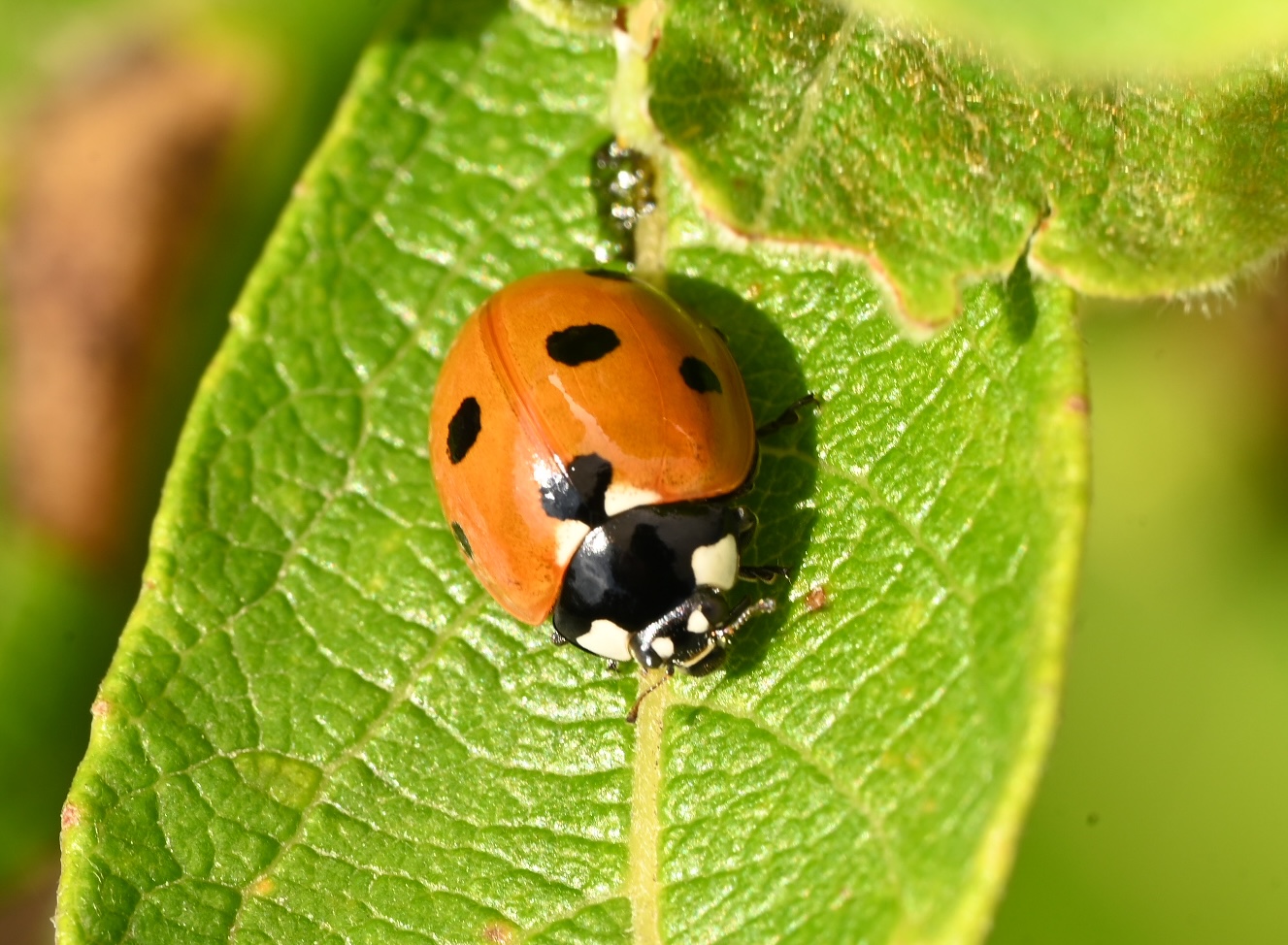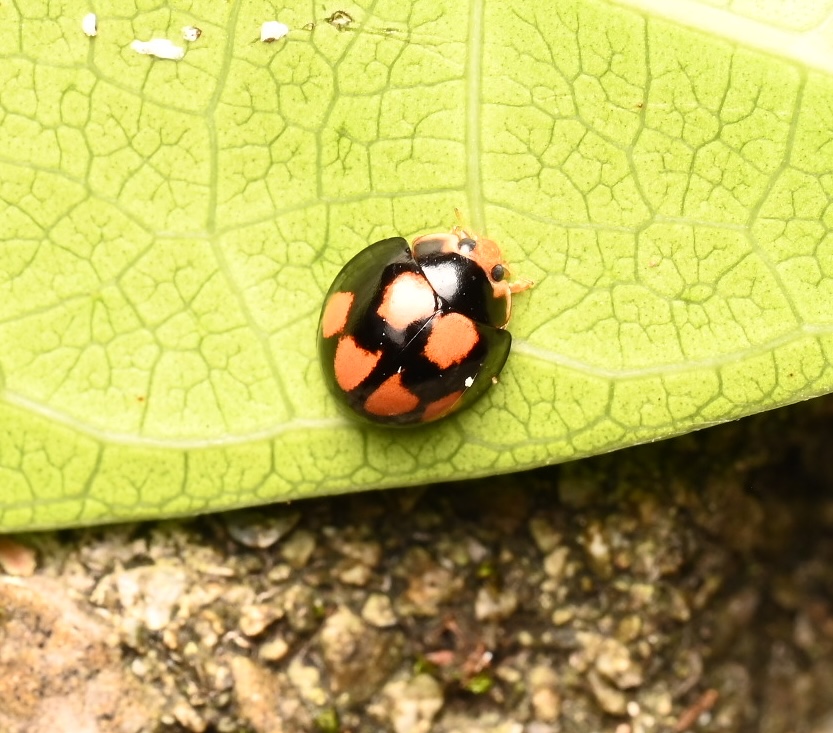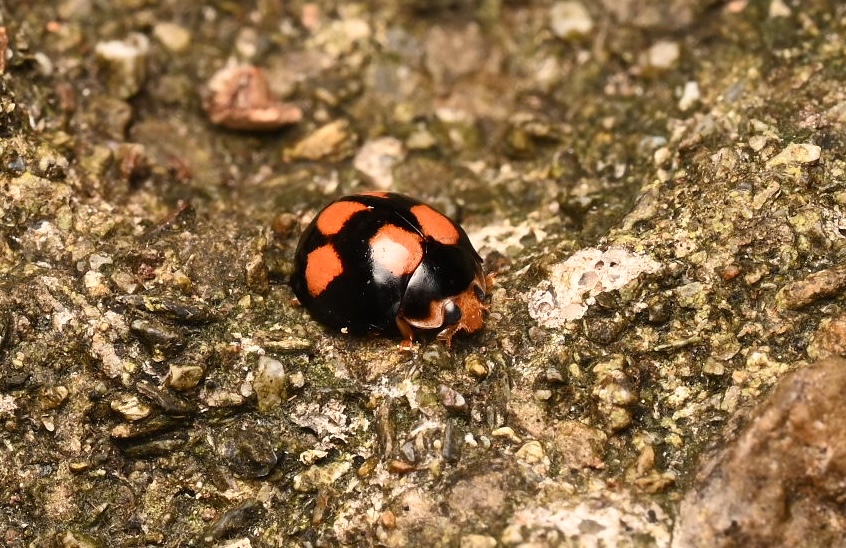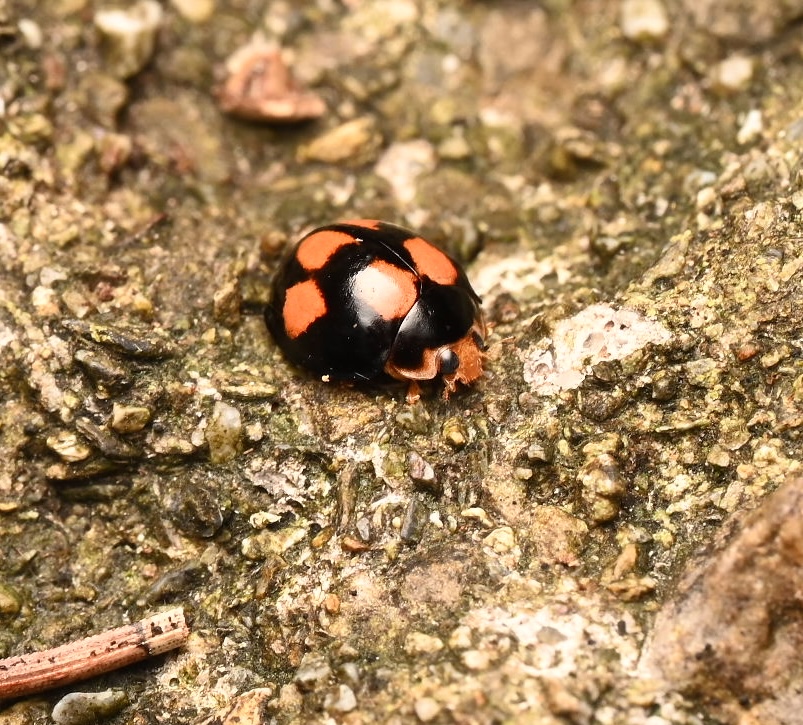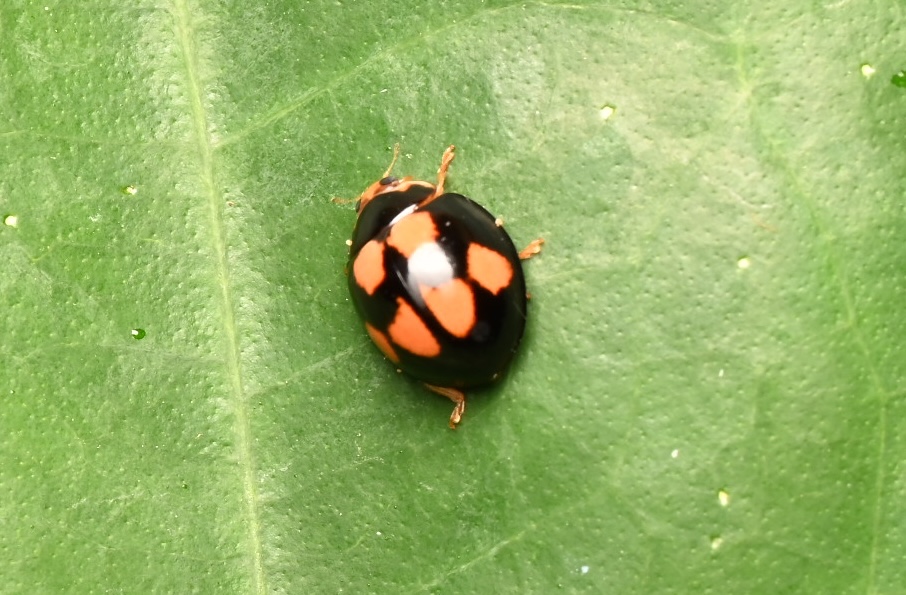
Meet the variable ladybird (Coelophora inaequalis), a tiny 5 mm powerhouse that reigns as a voracious predator of aphids. Native to Australia and Oceania, it earned its “variable” title because the black spots and bold markings on its orange wing cases vary wildly from one beetle to the next—some sport clean dots, while others display heavy, interconnected black bars. Don’t let their size fool you: a single ladybird can devour up to 5,000 aphids in its lifetime! Farmers in cotton and citrus orchards love them for this free pest control, as unleashing these beetles can knock back aphid populations by a staggering 80% in just a few weeks. They are so ridiculously effective that they’ve been intentionally introduced to new regions, including Florida. But underneath that tough exterior lies a deep secret: these beetles harbor an ancient, essential symbiotic bacterium. This tiny microbe provides the ladybird with vital amino acids it can’t produce on its own, and without it, the beetle literally cannot reproduce. I tracked down this tiny superpredator in a public park in Okinawa, Japan.