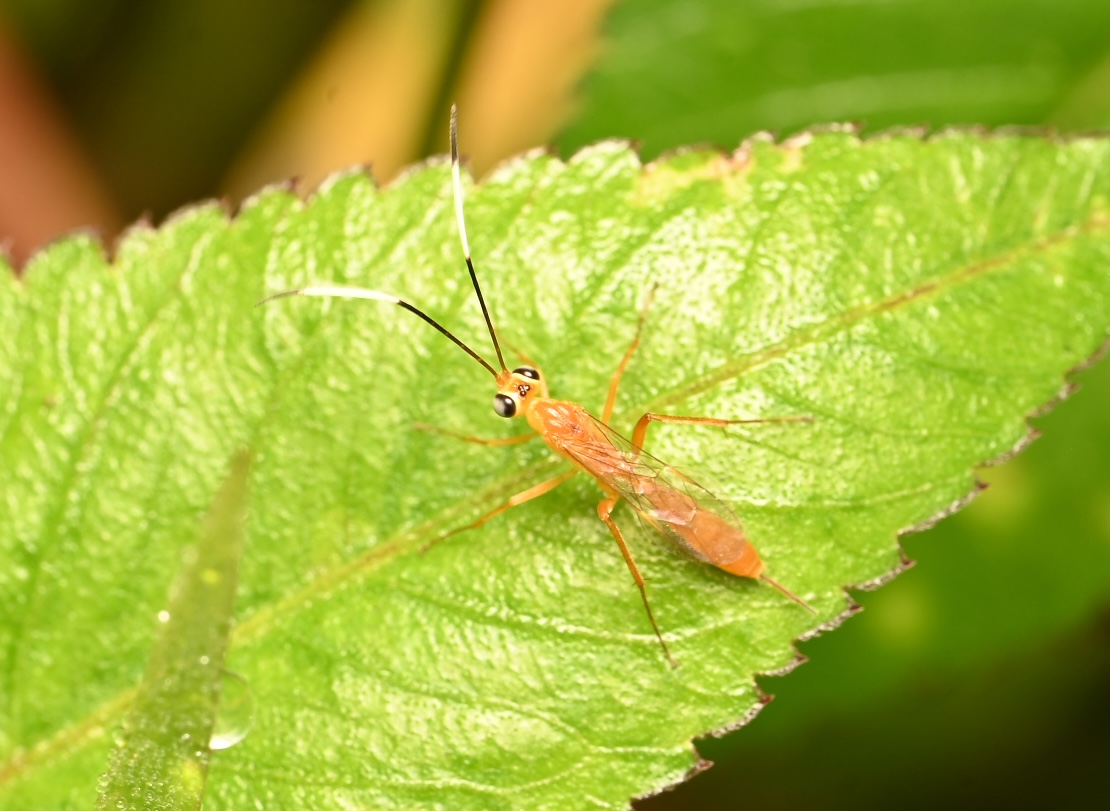
An army of females: The parasitic empire of Diplazon laetatorius

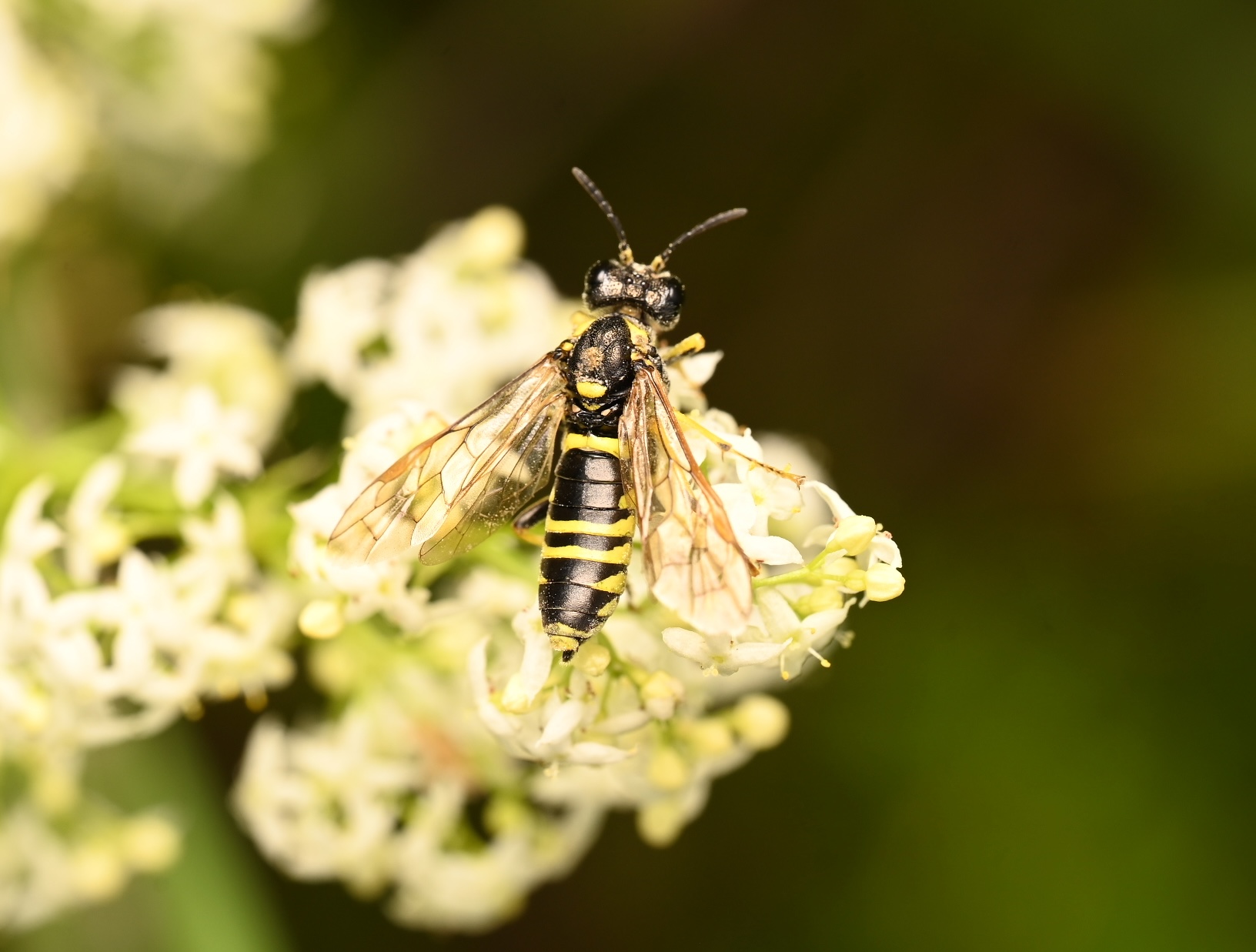
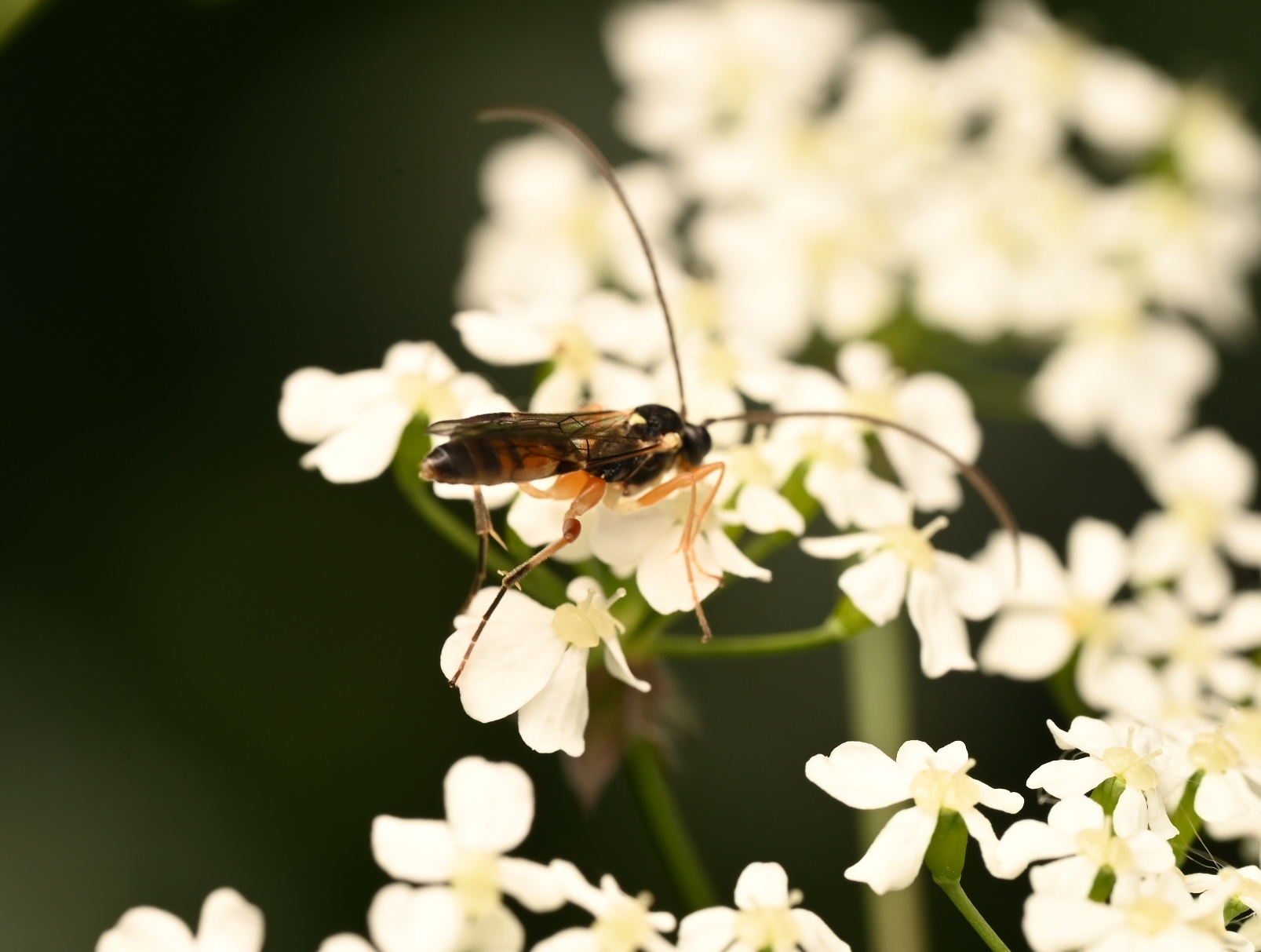
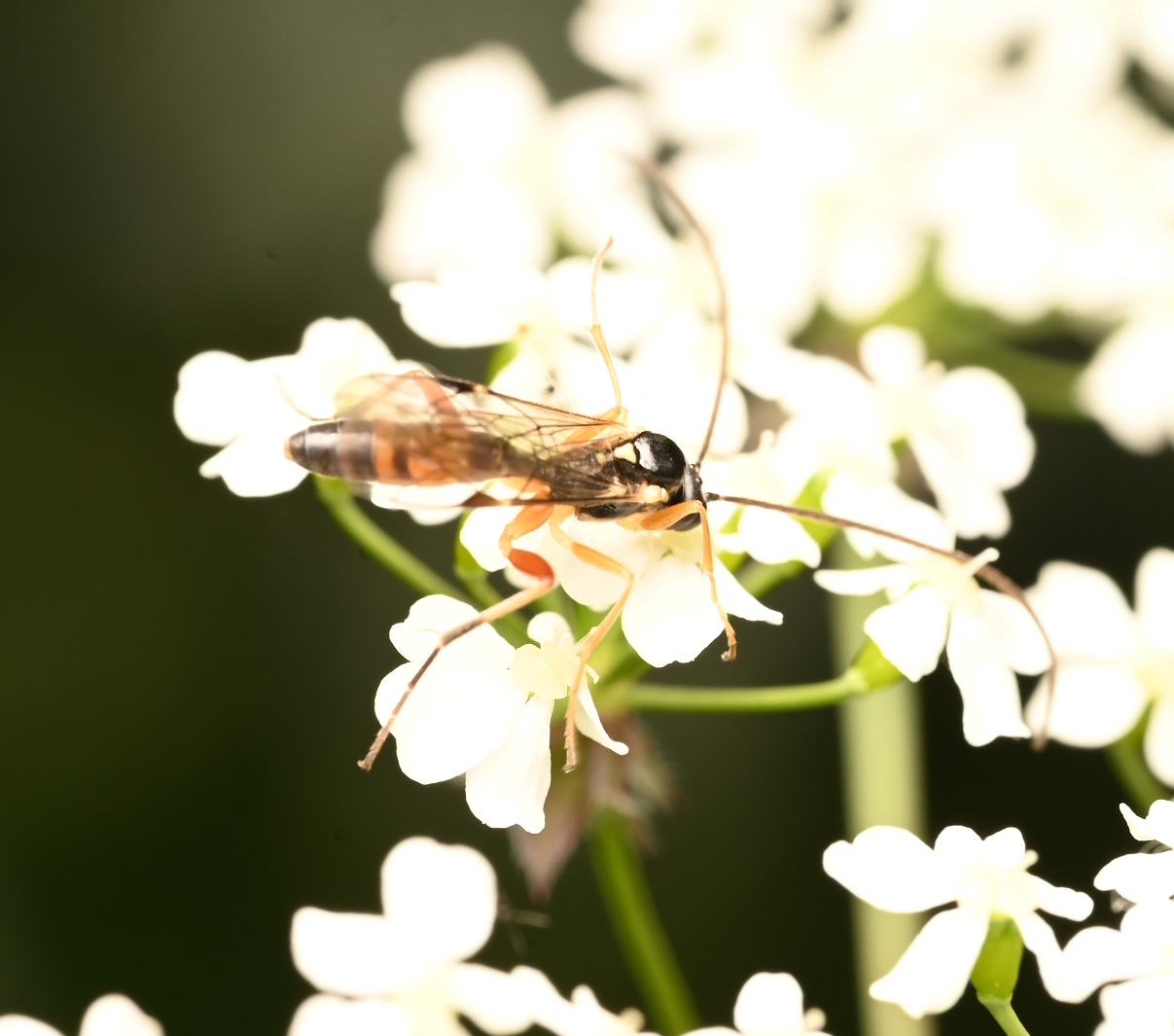
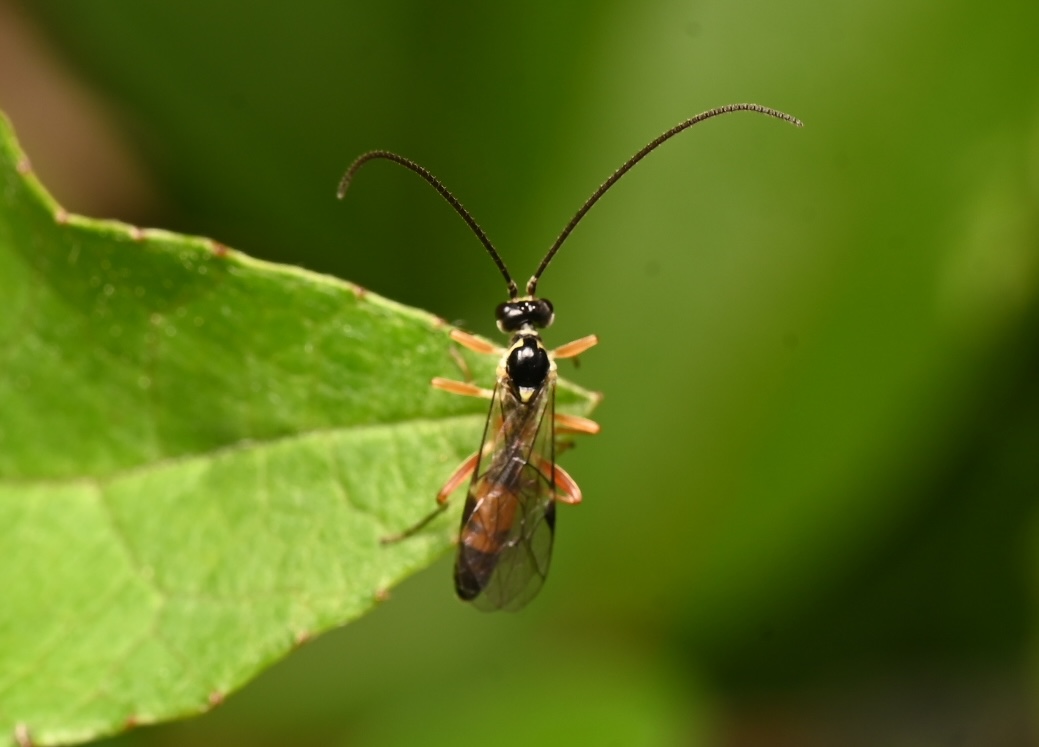
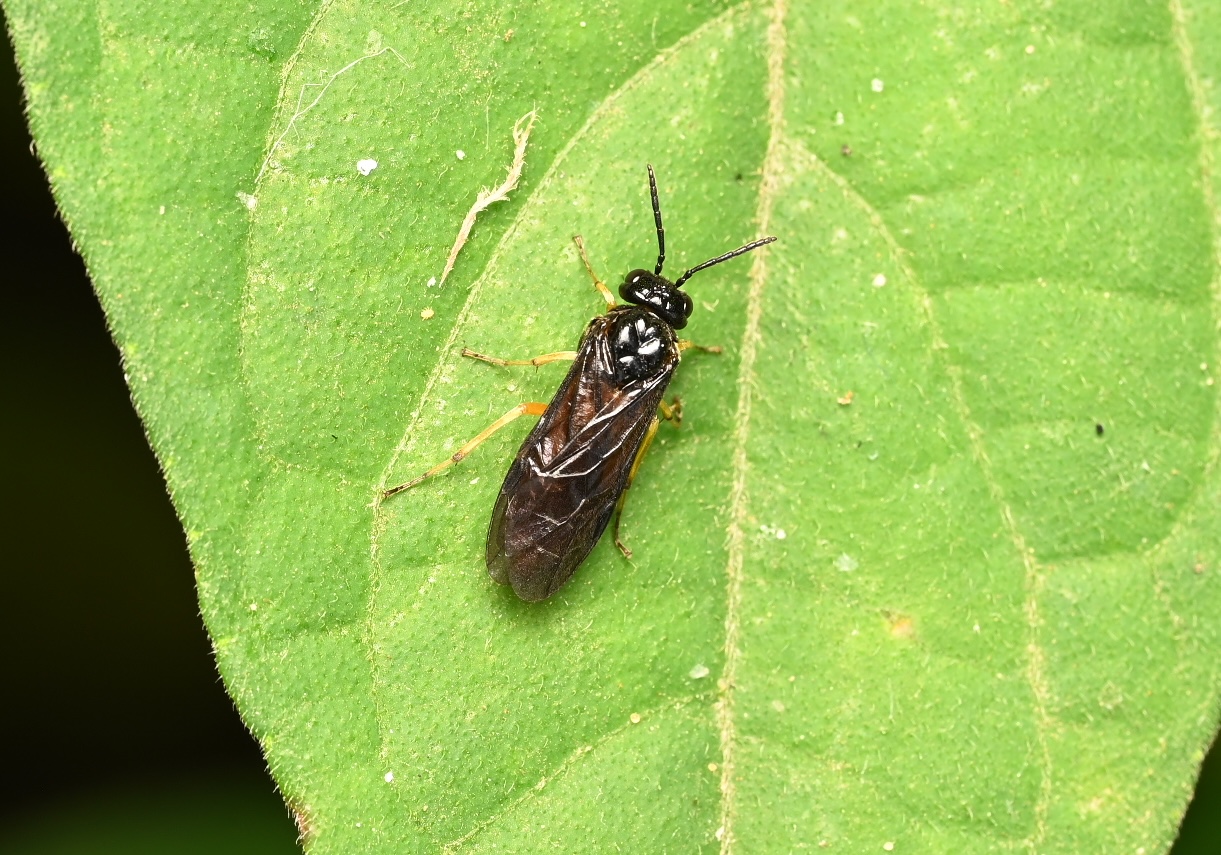
Meet the common hoverfly parasitoid wasp (Diplazon laetatorius), a miniature marvel that boasts one of the most sprawling global distributions of any parasitic wasp on Earth. Found everywhere from the Canadian Arctic to the tips of South America and Africa, its planetary empire was built alongside human agriculture, as it quietly hitchhiked across the globe shadowing the aphid-eating hoverflies it relies upon. The species is largely thelytokous—meaning females reproduce via parthenogenesis without needing male fertilization. As a result, males are an exceedingly rare sight. To propagate, the female utilizes a precision ovipositor to inject her eggs directly into hoverfly eggs or active larvae. The wasp larva then hatches and consumes its host from the inside out, safely developing within the host’s body until it ultimately erupts from the hoverfly’s own pupal casing as a fully formed adult. I crossed paths with this sleek, dynamic hunter in the forests of northern Sweden. I only managed to capture a few quick frames before it took off into the canopy, but witnessing such a globally successful micro-predator in the northern wilderness was a thrilling moment behind the lens.

Leave a Comment

Your email address will not be published. Required fields are marked *

Latest posts of related arthropods

Photo taken on 25-10-2026 in Bunia, Democratic Republic of Congo, with the Nikon Z6-II camera and Nikon Z MC 105mm f2.8 VR S lens and following settings: f13, 1/100, ISO 200.
Yellow-legged foliage eaters: The poorly...
Photo taken on 25-10-2026 in Bunia, Democratic Republic of Congo, with the Nikon Z6-II camera and Nikon Z MC 105mm f2.8 VR S lens and following settings: f13, 1/100, ISO 160.
Unusual ovipositors and parasitoid lifes...
Photo taken on 08-10-2026 in Bunia, Democratic Republic of Congo, with the Nikon Z6-II camera and Nikon Z MC 105mm f2.8 VR S lens and following settings: f13, 1/100, ISO 79.
Acid spray guns and rainforest castes: T...
Photo taken on 04-10-2026 in Isiro, Democratic Republic of Congo, with the Nikon Z6-II camera and Nikon Z MC 105mm f2.8 VR S lens and following settings: f10, 1/125, ISO 125.
Cricket hunters and sand fortresses: Mee...
Photo taken on 27-09-2026 in Bunia, Democratic Republic of Congo, with the Nikon Z6-II camera and Nikon Z MC 105mm f2.8 VR S lens and following settings: f22, 1/200, ISO 100.
Royal flyers and sawdust tunnels: Meetin...
Photo taken on 22-08-2026 in Barkarby, Sweden, with the Nikon Z6-II camera and Nikon Z MC 105mm f2.8 VR S lens and following settings:  f11, 1/200, ISO 250.
Lemon stripes and nighttime grazers: Mee...
Scroll to Top

Would you prefer to hide close-up spider photos?
Wolisz ukryć zdjęcia pająków?
¿Ocultar fotos de arañas en primer plano?